Enhancing Your Garden Design with the Northern catalpa Plant: A Landscaping Guide
1
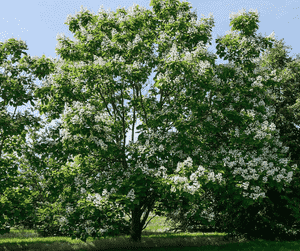
Northern catalpa provides continuous aesthetic interest with its sizable foliage and unique blossoms.
2
Thoughtfully positioning Northern catalpa can generate shade and act as a central feature in your landscape.
3
Northern catalpa can enhance your real estate's worth while fostering an environmentally conscious setting.
Introducing Northern Catalpa to Your Landscape Design
Discovering the Distinctive Beauty of Northern Catalpa
For a truly impactful garden presence, few trees rival the Northern catalpa. Its expansive, heart-shaped leaves and impressive clusters of white blossoms make it a focal point in any setting. This tree effortlessly imparts sophistication and drama, establishing a visual anchor for your garden layout. Its considerable height and broad canopy offer both vertical interest and a verdant backdrop for other plantings. Integrating Northern catalpa into your landscape means embracing a grand and singular aesthetic that few other plants can provide.
Understanding Northern Catalpa's Role in Sustainable Landscaping
Incorporating Northern catalpa into your garden extends beyond mere aesthetics. It plays a crucial role in fostering an environmentally friendly landscape. Its large leaves provide substantial shade, which can lessen the need for artificial cooling in nearby structures. This shade also supports healthier undergrowth by maintaining soil moisture and shielding delicate plants from intense sunlight. Furthermore, Northern catalpa offers habitat for various birds and insects, contributing to local biodiversity. By planting Northern catalpa, you're not just beautifying your garden but also promoting sustainable gardening practices.
Strategic Placement of Northern Catalpa in Your Garden
Optimal Locations for Northern Catalpa for Growth and Visual Impact
Northern catalpa thrives best in fertile, well-drained soil, and when situated in areas receiving ample sunlight. It's essential to consider the mature dimensions of Northern catalpa when selecting its spot. This tree can grow significantly in both height and width, so it should be planted where it has sufficient room to flourish without competing with buildings or other large plants. Positioning Northern catalpa near patios, decks, or house windows can create natural shade and lower cooling expenses while also offering a pleasant view. The key is to ensure Northern catalpa has enough space to develop its impressive canopy without becoming overcrowded.
How to Combine Northern Catalpa with Other Plants for a Harmonious Landscape
Achieving a cohesive landscape involves carefully pairing Northern catalpa with other plants. Given its considerable size and prominent presence, it's best to complement Northern catalpa with shade-loving plants that thrive beneath its canopy. Consider planting hostas, ferns, or woodland flowers underneath that can benefit from the filtered sunlight. For visual contrast, you might pair it with brightly colored shrubs like hydrangeas or azaleas that can provide splashes of color against the green backdrop of Northern catalpa. By selecting plants that balance and enhance Northern catalpa's characteristics, you can create a harmonious and visually appealing garden space.
Seasonal Considerations for Northern Catalpa
What to Expect from Northern Catalpa Throughout the Year
One of the delightful aspects of Northern catalpa is its seasonal transformation. In spring, it is adorned with magnificent clusters of white flowers, creating a dramatic and attractive display. Summer reveals its lush, oversized leaves that provide ample shade. Come fall, Northern catalpa's foliage can exhibit a beautiful yellow hue before shedding, adding seasonal interest and color to your garden. Even in winter, Northern catalpa maintains its charm with its distinctive trunk and branch structure that stands out against the dormant landscape. Understanding this seasonal rhythm can help you plan your garden activities and appreciate the year-round beauty of Northern catalpa.
Preparing Northern Catalpa for Changing Seasons
Properly preparing Northern catalpa for seasonal changes ensures its health and longevity. In spring, inspect the tree for any winter damage and prune as necessary to remove dead or broken branches. During summer, provide sufficient water, especially during dry spells, to maintain its lush foliage. In autumn, a thorough cleanup of fallen leaves helps prevent disease and pest issues. Mulching around the base of Northern catalpa in late fall can protect the roots from harsh winter temperatures and retain soil moisture. These steps ensure that Northern catalpa remains healthy and continues to be a stunning feature in your landscape through the seasons.
Long-Term Benefits of Including Northern Catalpa in Your Landscape
Increasing Property Value with the Presence of Northern Catalpa
Including Northern catalpa in your garden can significantly enhance your property's value. This striking tree serves as a key landscape feature that can boost curb appeal. Prospective buyers often appreciate mature trees like Northern catalpa for the shade, beauty, and character they bring to a property. The presence of well-maintained landscaping with noteworthy trees can increase the overall attractiveness and market value of your home. By planting Northern catalpa, you invest in more than just a garden tree; you’re enhancing the desirability and financial worth of your property.
Environmental Advantages of Planting Northern Catalpa
Planting Northern catalpa carries numerous environmental benefits. Its extensive canopy not only offers shade but also helps reduce urban heat islands and mitigate the effects of climate change. The leaves of Northern catalpa contribute to air quality by absorbing carbon dioxide and releasing oxygen. The tree's root system aids in preventing soil erosion and managing stormwater runoff more effectively. By choosing to include Northern catalpa in your landscape, you are making a positive impact on the environment and fostering a more sustainable urban ecology.



