Enhancing Your Garden Design with the Sugarberry Plant: A Landscaping Guide
1
The Sugarberry tree is adaptable and flourishes in diverse soil conditions.
2
Perfect for city and country settings, Sugarberry offers continuous visual appeal.
3
A properly cared-for Sugarberry greatly enhances your garden's look.
Introducing Sugarberry to Your Garden
Why Sugarberry is a Great Landscaping Choice
Opting for Sugarberry in your garden is a wise decision due to its adaptability and hardiness. This tree is known for flourishing in diverse soil types, making it suitable for various garden settings. Its deep root system helps prevent soil erosion, especially beneficial for sloped areas. Furthermore, Sugarberry tolerates both dry spells and moderate flooding, ensuring its resilience in different weather conditions. Its low maintenance needs make it a practical option for both new and experienced gardeners.
Sugarberry's Aesthetic Appeal
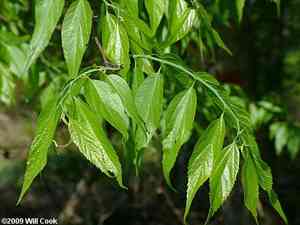
Sugarberry adds a distinct visual charm to any landscape. It features an elegant, spreading canopy that offers ample shade during hot summer days. Its leaves are a vibrant green in spring and summer, transitioning to a golden yellow in autumn, creating a dynamic seasonal color display. The tree also produces small, berry-like fruits that attract birds and other wildlife, enhancing your garden's biodiversity. Its rough, textured bark provides an interesting visual element even in winter after leaf drop.
Optimal Garden Placements for Sugarberry
Selecting the right location for Sugarberry in your garden is vital for maximizing its advantages. It thrives best in areas where it can expand and develop its full canopy, such as along property lines or near patios where shade is desired. Avoid planting Sugarberry too close to structures or other large trees to prevent overcrowding. This tree flourishes in full sun to partial shade, making it versatile for various garden zones. Ensure ample space for its root system to develop fully, promoting healthier growth and longevity.
Combining Sugarberry with Other Plants
Companion Plant Selections for Sugarberry
Sugarberry harmonizes beautifully with a variety of other plants. For a layered garden design, consider planting shrubs like hydrangeas and azaleas at its base to utilize the filtered sunlight beneath the canopy. Ornamental grasses and perennials such as hostas and ferns can offer contrasting textures and colors. Ground covers like vinca or ajuga can create a unified look while also suppressing weed growth. It's crucial to select plants with similar light and soil requirements to ensure they thrive alongside Sugarberry.
Design Strategies for Group Planting with Sugarberry
When planning a grouped planting scheme with Sugarberry, begin with a central focus. Position Sugarberry centrally or as an anchor at the edge of a planting bed. Surround it with a mix of smaller trees, shrubs, and perennials that bloom at different times to maintain year-round visual interest. Utilize the space beneath the canopy for shade-loving plants, creating a layered, tiered effect. Ensure adequate spacing between plants to allow for growth and air circulation, which helps prevent disease. Mulching around Sugarberry and its companion plants can also aid in moisture retention and weed reduction.
Seasonal Considerations for Sugarberry
Spring and Summer Expectations
In spring, Sugarberry will exhibit new growth with vivid green leaves. This is an opportune time to inspect the tree for any winter damage and to apply a balanced fertilizer to support its development. As summer approaches, the tree will provide substantial shade, potentially lowering cooling costs for nearby structures. Consistent watering during dry periods is essential, though Sugarberry is quite drought-tolerant. Monitor for signs of pests or diseases, and address them promptly to prevent spread.
Preparing Sugarberry for Autumn and Winter
As autumn nears, Sugarberry's leaves will transform into a beautiful golden yellow before falling. Raking up fallen leaves can help prevent mold or mildew. This season is also ideal for pruning any dead or diseased branches to prepare Sugarberry for winter. Although Sugarberry is resilient, applying a layer of mulch around its base can protect the roots from extreme cold and help retain moisture. Inspect the tree for any damage from winter storms, and take preventative measures to shield younger trees from strong winds and heavy snow.
Maintaining the Health of Sugarberry
Regular Inspections and Balanced Nutrition
Routine checks of Sugarberry can help detect potential issues early. Look for indications of pests, diseases, or nutrient deficiencies. Applying a balanced, slow-release fertilizer in early spring can support healthy growth throughout the growing season. Ensure the soil pH remains between 6.0 and 7.5, as Sugarberry thrives best within this range. Water deeply during dry spells to encourage deep root growth but avoid overwatering, which can lead to root rot.
Pruning Advice for Optimal Growth
Properly pruning Sugarberry can enhance its health and form. The best time to prune is in late winter or early spring before new growth begins. Remove any dead, diseased, or damaged branches to prevent disease spread. Thinning out crowded branches improves air circulation and reduces the risk of fungal infections. Avoid severe pruning, as this can stress the tree. Instead, focus on gradual shaping over several seasons to maintain a natural and healthy appearance.



