Enhancing Your Garden Design with the Common hackberry Plant: A Landscaping Guide
1
The Common hackberry is a adaptable tree suitable for diverse landscaping purposes, such as offering shade and seclusion.
2
Common hackberry's seasonal versatility guarantees continuous visual interest and utility in your garden.
3
Integrating Common hackberry with suitable companion plants improves both the beauty and environmental benefits of your yard.
Introducing the Common Hackberry in Garden Design
Overview of Common Hackberry and its visual appeal
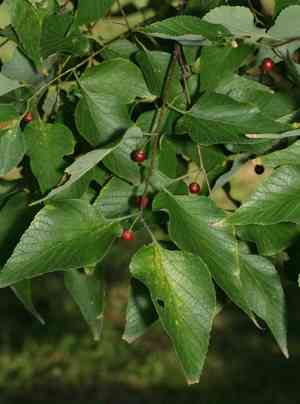
The graceful form and durability of the Common Hackberry make it a preferred option among landscape architects. Its distinct bark, combined with vibrant green leaves, introduces texture, depth, and visual interest to any outdoor setting. The tree's height and expansive canopy also contribute to its grand presence, making it an attractive centerpiece or a complementary backdrop for other garden elements.
Key characteristics for landscape planning
Common Hackberry is renowned for its toughness and adaptability, flourishing in diverse soil types and climates. It can endure urban pollution, making it perfect for city environments. The deciduous nature of Common Hackberry ensures seasonal transformations that enhance your yard's vibrancy. Furthermore, it requires relatively little upkeep, needing minimal trimming and care once established, which is ideal for homeowners seeking easy maintenance.
The Adaptability of Common Hackberry in Outdoor Areas
Optimal scenarios for integrating Common Hackberry into yard layouts
Common Hackberry can be incorporated into nearly any yard design due to its flexible nature. It performs well in both formal gardens and more relaxed, naturalistic arrangements. Position Common Hackberry near walkways to provide refreshing shade or utilize it as a border tree along property lines. It can also be a wonderful addition to a mixed-species border, offering a tall backdrop against smaller shrubs and perennials.
Creating focal points with Common Hackberry
Given its size and striking appearance, Common Hackberry can serve as a central feature in your landscape design. Plant Common Hackberry strategically to draw attention to the most appealing parts of your yard, such as a seating area or garden bench. Its impressive height and spreading canopy create a dramatic silhouette, beautifully framing your garden and adding vertical interest to flat spaces.
Utilizing Common Hackberry for Shade and Seclusion
Advantages of Common Hackberry for generating natural shade
One of the main benefits of Common Hackberry is its wide canopy, which provides excellent shade during hot summer months. This natural cover can significantly lower cooling expenses for your home and create a comfortable outdoor space for relaxation or gatherings. A canopy tree like Common Hackberry is especially useful in creating microclimates that shield delicate plants beneath from intense sun exposure.
Ways Common Hackberry can enhance privacy in your landscape
Thoughtfully planting Common Hackberry can greatly improve the privacy of your outdoor area. The dense foliage and broad spread of Common Hackberry act as a living screen, protecting your yard from curious glances and creating a secluded, tranquil environment. Use Common Hackberry along property boundaries or near windows to maintain privacy without sacrificing beauty. This natural barrier also plays a crucial role in reducing noise pollution from nearby roads.
Seasonal Considerations for Common Hackberry
How Common Hackberry adjusts throughout the seasons
Common Hackberry offers year-round appeal through its seasonal adaptations. In spring and summer, its robust foliage is a vibrant green, providing shade and vitality. Come autumn, the leaves transform into a warm yellow, creating a beautiful visual transition that celebrates the season. During winter, the tree's branching structure is on display, adding architectural interest to the landscape.
Preparing your Common Hackberry for changing weather
Getting your Common Hackberry ready for seasonal shifts ensures its continued health and beauty. As fall approaches, ensure the tree is well-watered to support it through winter dormancy. Applying mulch around the base can help retain moisture and protect the roots from extreme temperatures. Pruning any dead or damaged branches in late winter prepares Common Hackberry for vigorous new growth in the spring.
Complementary Planting Options for Common Hackberry
Plants that pair well with Common Hackberry in a landscape
To maximize the aesthetic and practical benefits of Common Hackberry, consider companion plants that thrive in similar conditions. Ornamental grasses, shade-tolerant perennials like hostas, and flowering shrubs complement Common Hackberryâs towering presence by adding layers of color, texture, and seasonal interest. These plants also benefit from Common Hackberryâs shade and contribute to a diverse, healthy ecosystem.
Design tips for combining Common Hackberry with other plant species
When designing your landscape with Common Hackberry, aim for balance and harmony. Group plants with similar water and soil needs around Common Hackberry to simplify maintenance. Use ground covers and smaller shrubs under the canopy to prevent a bare, stark appearance. Incorporate a mix of evergreens and deciduous plants to ensure year-round greenery. By carefully selecting and placing companion plants, you create a cohesive, visually appealing garden that flourishes.



