Enhancing Your Garden Design with the Red valerian Plant: A Landscaping Guide
1
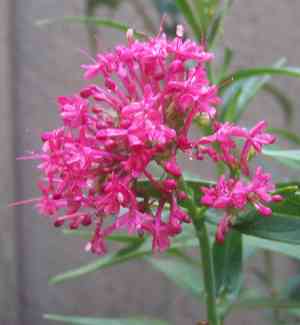
Centranthus ruber is recognized for its remarkably attractive flowers and can introduce a vibrant hue to any outdoor space.
2
Interplanting with Centranthus ruber can improve the vitality and development of nearby flora.
3
Centranthus ruber needs little upkeep, making it an ideal selection for gardeners with limited time.
Introducing Red Valerian in Garden Design
Red Valerian's Visual Appeal Overview
Red valerian enhances any garden with its vivid blossoms, spanning from deep crimson to soft pink. Its delicate yet sturdy flowers foster a gentle, inviting ambiance, making it ideal for borders, rock gardens, and even pots. The plant's rich green leaves offer a pleasing contrast to the brightly colored flowers, adding texture and depth to your outdoor spaces.
Advantages of Incorporating Red Valerian in Garden and Landscape Projects
Red valerian is not only visually appealing but also remarkably adaptable. It flourishes in diverse soil types and tolerates both full sun and partial shade, making it a flexible option for many garden aesthetics. Furthermore, it attracts pollinators like bees and butterflies, contributing to a healthy and vibrant garden ecosystem. Red valerian is also drought-tolerant, reducing the need for frequent watering and making it an eco-friendly choice.
Optimal Placement for Red Valerian's Impact
Prime Locations for Red Valerian in a Landscape Layout
Position Red valerian in spots where you wish to draw attention, such as alongside garden paths, entryways, or as a focal point in flower beds. It also performs well in elevated areas like rock gardens or terraces where its cascading habit can be highlighted. The plant's resilient nature makes it an excellent choice for borders and edges, where it can withstand foot traffic and still appear splendid.
Considerations for Selecting Planting Sites
When choosing a planting location for Red valerian, factor in its light and soil requirements. While Red valerian is quite adaptable, providing it with well-draining soil will ensure the most robust growth. Confirm the planting site has ample room for the plant to spread and develop. Also, remember that although Red valerian is drought-resistant, placing it in a spot where it can receive occasional irrigation will encourage more prolific blooming.
Companion Planting with Red Valerian
Suitable Companion Plants for Red Valerian
Combine Red valerian with other drought-tolerant plants such as lavender, yarrow, and rosemary for a harmonious, low-maintenance garden. It also looks striking alongside taller perennials like echinacea and Russian sage, creating layered tiers of color and texture. For a more dramatic effect, planting Red valerian next to contrasting colors like yellow or white flowers can make its blooms stand out even more.
Benefits of Companion Planting
Companion planting with Red valerian can offer several advantages to your garden. It can aid in natural pest management, lessening the need for chemical interventions. Plants such as marigolds and basil, when planted with Red valerian, can deter undesirable insects. Additionally, companion planting fosters biodiversity, which is vital for a balanced ecosystem. By enhancing pollinator activity, these plant combinations help ensure all your garden plants thrive.
Maintaining Red Valerian in Your Landscape
Fundamental Tips for Long-Term Care
Maintaining Red valerian in your landscape involves consistent pruning to encourage more flowers and prevent the plant from becoming leggy. Removing spent blooms will also promote continuous flowering throughout the growing season. Occasional feeding with a balanced fertilizer can provide an extra boost, though Red valerian generally flourishes with minimal intervention. Vigilantly monitoring for pests and diseases and addressing them promptly can help sustain plant health.
Seasonal Considerations for Optimal Growth
In spring, thin out crowded plants to improve air circulation. During the warm summer months, ensure Red valerian receives sufficient water, especially if planted in a very sunny location. In autumn, trim back any dead or diseased foliage to prepare the plant for winter dormancy. Mulching around the base can help shield the roots from extreme cold, particularly in harsher climates. By adhering to these seasonal care guidelines, you can enjoy a flourishing and beautiful display year after year.
Design Inspiration: Creative Applications of Red Valerian in Landscaping
Integrating Red Valerian into Contemporary Landscape Designs
Red valerian can introduce a burst of color and texture into modern minimalist gardens. Its vibrant flowers are perfect for adding contrast to sleek, urban designs and can soften hardscaping elements like concrete paths or metal sculptures. Utilizing Red valerian in raised beds or containers can give your landscape a sophisticated, designer aesthetic while remaining practical and easy to care for.
Examples of Successful Landscape Projects Featuring Red Valerian
Numerous successful landscape projects have employed Red valerian to create stunning visual effects. For instance, planting Red valerian in a Mediterranean-style garden with gravel paths and terracotta pots can evoke the charm of coastal Europe. Similarly, a cottage garden can benefit from the addition of Red valerian, providing an informal and whimsical feel with its abundant blooms. These projects demonstrate the versatility and impact that Red valerian can bring to various garden styles.



