Enhancing Your Garden Design with the Common buttonbush Plant: A Landscaping Guide
1
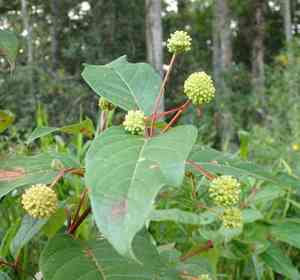
The common buttonbush is recognized for its distinctive globe-shaped flower formations.
2
It flourishes in damp, adequately drained ground and ample sunlight.
3
This plant draws in pollinators, enhancing the variety of life in your outdoor space.
Introducing Common Buttonbush in Garden Design
Discover the distinct features of Common buttonbush that make it a garden favorite.
Common buttonbush lends a unique charm to any outdoor space with its distinctive spherical flower clusters and shiny green foliage. Its blossoms, resembling small pincushions, remain vibrant throughout the summer, attracting both human admirers and pollinators like butterflies and bees. This shrub can reach heights of up to 12 feet, making it an excellent choice for establishing natural screens or adding vertical interest to your garden layout. Its adaptability to various soil types, particularly moist ones, makes it a robust and versatile plant for diverse garden environments.
Appreciate the aesthetic value of Common buttonbush in garden settings.
The visual appeal of Common buttonbush stems from its abundant leaves and striking flower formations. When in bloom, its small, tubular flowers form dense, rounded clusters that are both visually captivating and fragrant. As seasons change, the leaves transform into a beautiful yellow hue, adding seasonal interest to your garden. This color shift helps maintain visual appeal beyond just the flowering period. Whether utilized as a solitary specimen or in mass plantings, Common buttonbush can significantly enhance your garden's beauty.
Optimal Placement for Common Buttonbush in Your Garden
Selecting the ideal location for sun exposure and soil conditions.
Common buttonbush thrives best in full sun to partial shade, making it quite adaptable to various garden spots. The crucial factor is the soil; it prefers moist, well-drained soils but can withstand occasional flooding, making it an excellent option for areas prone to standing water. When choosing a site, consider its mature size and ensure it has ample room to grow without becoming overcrowded. Proper placement ensures Common buttonbush looks its best while maintaining its health.
Suggestions for incorporating Common buttonbush into diverse garden themes.
Common buttonbush is incredibly versatile and can seamlessly integrate into various garden styles, from formal designs to wildlife-friendly landscapes. For a natural aesthetic, consider planting it near a pond or stream. Its preference for moist conditions makes it perfect for such locations. Alternatively, if you aim to add structure and height to a formal garden, use Common buttonbush as a background plant. Its lush foliage and structural form provide a beautiful contrast to lower-growing plants or flowers.
Pairing Common Buttonbush with Other Plants
Finding complementary plants for balance and visual harmony.
When pairing Common buttonbush with other plants, strive for a balance of colors, heights, and textures. Combining it with perennial flowers like daylilies or coneflowers can create a harmonious garden bed. Grasses, such as switchgrass or sedge, also make excellent companions, adding movement and texture to the landscape. The key is to select plants that flourish in similar conditions, ensuring all elements of your garden thrive together.
Concepts for vibrant and engaging plant combinations.
For a lively and captivating garden display, consider pairing Common buttonbush with plants that feature contrasting colors and blooming periods. Plants like the red cardinal flower or blue lobelia can offer striking visual contrasts with Common buttonbush's white or pale blooms. Additionally, using plants that flower at different times ensures your garden remains colorful and appealing throughout the growing season. This layering of plants creates a dynamic and ever-changing garden scene.
Year-Round Appeal with Common Buttonbush
Maintaining visual interest throughout the different seasons.
One of the most attractive aspects of Common buttonbush is its capacity to add interest to your garden year-round. In spring and summer, its blooms are a visual and sensory delight. Come fall, its leaves turn a vibrant yellow, adding a splash of color to your garden. Even in winter, the structure of Common buttonbush, with its bare branches and seed heads, provides a sculptural element to the garden, ensuring it remains visually appealing even during dormant months.
Winter charm: the impact of Common buttonbush during inactive periods.
During the winter months, Common buttonbush continues to offer visual interest with its unique branch structure and persistent seed heads that stand out against a snowy backdrop. These features provide a focal point in a winter garden and offer sustenance for birds and other wildlife. Incorporating Common buttonbush into your landscape means your garden will have something to offer in every season, making it not only beautiful but also functional all year round.
Cultivating Common Buttonbush in a Landscape Setting
Fundamental advice for promoting growth and health without detailed care specifics.
Caring for Common buttonbush is straightforward. Ensure it is planted in moist, well-drained soil and receives adequate sunlight. Regular watering during dry spells will help maintain its lush appearance, especially during its initial years. Mulching around the base can help retain moisture and suppress weeds, contributing to the plant's overall health. While it is relatively low-maintenance, occasional pruning can help shape the plant and remove any dead or damaged branches.
Methods for integrating Common buttonbush for a lasting landscape effect.
For a long-lasting landscape effect, consider using Common buttonbush strategically in your garden design. Plant it in groups for a dramatic impact or as a focal point in your landscape. Integrating Common buttonbush with native plants can create a cohesive and sustainable garden environment. Additionally, using it in areas where it can naturalize, such as along water edges or in wet meadows, allows it to thrive while enhancing the natural beauty of your landscape.



