Enhancing Your Garden Design with the Katsura tree Plant: A Landscaping Guide
1
The Katsura tree provides spectacular seasonal color shifts, making it a lively feature in any landscape.
2
When selecting a site for your Katsura tree, take into account sun exposure, ground composition, and closeness to other flora.
3
Consistent upkeep is crucial for maintaining the Katsura tree's health and vigor.
Introducing the Katsura Tree in Garden Design
A brief overview of the Katsura tree and its visual appeal.
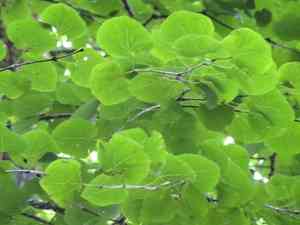
When aiming to enhance your garden's beauty, few plants rival the charm of the Katsura tree. Renowned for its heart-shaped foliage and captivating autumn hues, the Katsura tree imparts a whimsical elegance to any outdoor space. This deciduous species displays a spectrum of colors, from soft greens in spring to rich yellows, oranges, and reds in fall. Additionally, the Katsura tree emits a sweet, pleasant aroma, often likened to cotton candy, particularly during autumn. Its distinctive qualities make it an excellent focal point or a complementary element in various garden styles.
The role of the Katsura tree in contemporary landscape architecture.
In modern landscape design, the Katsura tree functions as both a practical and decorative component. With its moderate size and unique appearance, it integrates seamlessly into contemporary, minimalist gardens as well as traditional, abundant landscapes. Landscape designers frequently utilize the Katsura tree to generate visual intrigue and structure, drawing attention and breaking up expansive open areas. Furthermore, the Katsura tree's adaptable nature allows it to blend effortlessly with diverse garden themes, from Zen-inspired spaces to coastal retreats. Its resilience to various climates and soil types makes it a sensible choice for gardeners seeking to add enduring beauty to their outdoor environments.
Selecting the Ideal Spot for Your Katsura Tree
Key considerations for optimal placement within your garden.
Choosing the correct location for your Katsura tree is vital for its development and aesthetic impact. Begin by assessing the tree's light requirements; the Katsura tree thrives in full sun to partial shade. Ensure the site offers well-drained soil, as the Katsura tree prefers moist but not waterlogged conditions. Additionally, consider spacing; providing the Katsura tree ample room to expand will prevent overcrowding and allow it to achieve its full, magnificent potential. Proximity to other plants is also crucial to avoid competition for nutrients and sunlight. Finally, contemplate the background â positioning the Katsura tree against a dark fence or evergreen shrubs can amplify its vibrant seasonal colors.
How seasonal changes influence the Katsura tree's visual effect.
One of the Katsura tree's most remarkable attributes is its seasonal transformation, which significantly affects your garden's visual appeal. In spring and summer, the Katsura tree offers lush, green foliage that serves as a tranquil backdrop for blooming flowers. As autumn approaches, the tree's leaves burst into a riot of colors, infusing warmth and vibrancy into your landscape. Winter reveals the Katsura tree's elegant, bare branches, providing a sculptural element to the garden. By anticipating these seasonal shifts, you can ensure continuous interest and beauty in your outdoor space throughout the year. Consider placing the Katsura tree where its year-round splendor can be fully appreciated.
Companion Planting with the Katsura Tree
Optimal companion plants for the Katsura tree and their synergistic benefits.
Selecting appropriate companion plants for the Katsura tree can enhance its beauty and foster a healthy garden ecosystem. Consider planting perennials such as hostas or ferns at the base of the Katsura tree to utilize the shaded area and create textural contrast. Ornamental grasses and flowering shrubs, like hydrangeas, complement the Katsura tree's foliage and add layers of visual interest. Groundcovers such as vinca minor or ajuga help maintain soil moisture and suppress weeds, benefiting the Katsura tree's root system. By choosing plants that thrive in similar conditions and complement the Katsura tree's aesthetics, you cultivate a harmonious and visually pleasing garden.
Design strategies for creating unified landscaping themes.
Crafting a cohesive landscape design with the Katsura tree involves thematic consistency, color coordination, and balanced plant selection. Begin by establishing a central theme for your garden, whether it's a serene Zen garden, a lively cottage garden, or a sleek modern space. Utilize the Katsura tree as a focal point or an accent tree, depending on its size and placement. Choose companion plants that align with the chosen theme and consider seasonal color variations to maintain year-round appeal. Arrange plants in odd numbers and varying heights to add depth and visual interest. Additionally, incorporate landscape features like stones, water elements, or pathways to seamlessly integrate the design.
Care Tips to Enhance Your Katsura Tree's Beauty
Seasonal maintenance routines for optimal health and growth.
To maintain your Katsura tree's health and vibrancy, adhere to a seasonal care regimen. In spring, prune any dead or damaged branches to encourage new growth and shape the tree. Summer is the period for consistent watering, especially during dry spells, and mulching to retain soil moisture. In fall, remove fallen leaves to prevent disease and apply a balanced fertilizer to support root development. Winter care involves protecting young trees with burlap wraps or windbreaks in colder climates. Regular inspections for pests or diseases ensure early detection and treatment, helping your Katsura tree flourish year after year.
Quick solutions for common challenges in growing the Katsura tree.
Cultivating the Katsura tree may present a few difficulties, but these rapid tips can help you overcome them. If you observe leaf scorch in hot weather, provide extra water and mulch to cool the roots. For pest issues like aphids or caterpillars, introduce natural predators such as ladybugs or use insecticidal soap. Fungal diseases can be managed by ensuring adequate air circulation around the tree and avoiding overhead watering. If your soil is heavy clay, consider planting the Katsura tree on a raised mound to improve drainage. By addressing these common problems promptly, you can ensure your Katsura tree remains a stunning feature in your garden.
The Katsura Tree's Visual Impact Across Seasons
Highlighting seasonal color transformations and their effects on garden aesthetics.
The Katsura tree's seasonal color changes are a highlight in any garden, significantly influencing landscape aesthetics. In spring, the emergence of delicate green leaves adds a fresh, revitalizing touch. As summer progresses, the leaves deepen in color, providing a lush, verdant canopy. Fall brings a spectacular display of gold, orange, and red hues, creating a warm, inviting atmosphere. During winter, the bare branches of the Katsura tree offer a stark but beautiful silhouette against the winter sky, adding structural interest to your garden. These transformations ensure that the Katsura tree remains a captivating element in your landscape year-round.
Strategies for planning year-round visual appeal with the Katsura tree.
Planning for year-round visual interest with the Katsura tree involves strategic placement and thoughtful companion planting. Position the Katsura tree where its seasonal changes can be fully appreciated, such as near a patio, window, or pathway. Surround it with evergreens or plants with winter interest, like red-twig dogwoods, to ensure the area remains attractive even when the Katsura tree is bare. Incorporate plants with staggered bloom times around the Katsura tree to provide continuous color and texture. By considering these factors, you can create a dynamic and engaging garden space that celebrates the Katsura tree's beauty throughout the seasons.



