Enhancing Your Garden Design with the Desert willow Plant: A Landscaping Guide
1
Chilopsis linearis enhances the aesthetic and thematic qualities of diverse garden settings.
2
Strategic placement of Desert willow in your garden can maximize light access and visual balance.
3
Caring for Desert willow involves consistent trimming, appropriate soil management, and prompt identification of issues.
Appreciating the Visual Charm of Desert Willow
Aesthetic Contribution: Stature and Hues
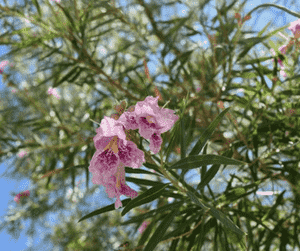
The Desert willow is celebrated for its striking visual presence. Reaching considerable heights, it introduces an elegant vertical element to any garden. Its vivid blossoms, spanning from pink to purple, can establish captivating splashes of color that break up uniform green foliage. This tree can attain significant elevation, providing a sense of scale and depth to your landscape design. Whether aiming for a focal point or simply adding height variation, the Desert willow is an excellent selection.
Seasonal Metamorphosis: How Desert Willow Changes Throughout the Year
A most captivating characteristic of Desert willow is its seasonal transformation. During spring and summer, it bursts with abundant, fragrant flowers that draw hummingbirds and bees. In autumn, its leaves turn golden, imparting a warm tone to the garden. Throughout winter, its textured bark and graceful branches offer structural beauty to an otherwise dormant setting. These seasonal shifts ensure Desert willow adds interest and vitality to your garden year-round.
Seamless Integration with Indigenous Environments
Desert willow excels at blending with native landscapes, making it a natural fit for gardens aiming for an authentic aesthetic. It pairs effectively with other native plants, creating a cohesive and genuine appearance. As it is indigenous to arid and semi-arid regions, it beautifully complements xeriscaping efforts, thereby promoting sustainable gardening practices. Incorporating Desert willow ensures your garden remains in harmony with the local ecosystem.
Strategic Placement of Desert Willow in Your Garden
Identifying Optimal Planting Locations
To maximize the advantages of Desert willow, thoughtful placement is essential. Consider situating it in areas where it can serve as a natural screen or backdrop, enhancing privacy while beautifying the space. Additionally, positioning it at the garden's edge can help draw the eye outward, making the garden appear more expansive. Avoid spots with heavy foot traffic to prevent root compaction and ensure robust growth.
Balancing Sunlight Exposure and Shaded Areas
Desert willow thrives in ample sunlight but can endure partial shade. When choosing a planting site, ensure it receives sufficient sunlight throughout the day for optimal blooming. However, in particularly hot climates, some afternoon shade can help prevent leaf scorch. Observe the sun's trajectory and adjust planting locations accordingly to intelligently balance sunlight and shade.
Harmonizing with Nearby Plant Life
Creating a balanced garden involves carefully combining Desert willow with other plants. Select companions that share similar light and water requirements. For instance, other drought-tolerant plants like sages or ornamental grasses can form a cohesive and resilient garden design. The soft, airy foliage of Desert willow contrasts well with plants of bolder textures, providing balance and visual interest. By complementing existing plant life, you ensure a visually appealing and healthy garden environment.
Incorporating Desert Willow into Various Landscape Styles
Classic Garden Arrangements
Desert willow can effortlessly integrate into traditional garden designs with its classic beauty and subtle elegance. Whether flanking a grand entrance or lining a manicured path, it adds a touch of sophistication. Traditional gardens often prioritize symmetry and formality, and the adaptable form of Desert willow beautifully aligns with these design principles. It can serve as a stately feature that upholds the timeless appeal of traditional landscaping.
Contemporary Landscape Designs
For modern landscapes, Desert willow offers a sleek, minimalist aesthetic that pairs well with contemporary elements like steel planters or geometric hardscapes. Its simple, clean lines and understated coloration provide a quiet elegance that complements modern design principles. Furthermore, placing Desert willow near architectural features like pergolas or water elements can amplify their visual impact, creating a cohesive modern outdoor space.
Xeriscapes and Eco-Friendly Landscaping
In xeriscapes and other sustainable garden designs, Desert willow is an ideal choice due to its drought tolerance and minimal upkeep needs. It flourishes with little water, aiding in the conservation of this precious resource. Its ability to attract pollinators also supports local biodiversity. By incorporating Desert willow into xeriscapes, you create a beautiful, environmentally friendly garden that requires less water and maintenance while still offering vibrant color and texture.
Maintenance Guidelines for Preserving the Beauty of Desert Willow
Regular Pruning and Trimming Practices
To maintain the form and vitality of Desert willow, routine pruning and trimming are crucial. Remove dead or diseased branches to encourage new growth and improve air circulation. Lightly trim after flowering to preserve its shape without hindering the following season's blooms. Regular pruning ensures the tree remains healthy, vigorous, and aesthetically pleasing.
Managing Soil Health and Moisture Levels
Proper soil management is vital for the well-being of Desert willow. It prefers well-draining soil and can thrive in sandy or rocky conditions. Mulching around the base can help retain moisture and keep the roots cool. Water deeply but infrequently to promote deep root development, especially during prolonged dry spells. By managing soil health and moisture, you help Desert willow remain robust and resilient.
Promptly Identifying and Addressing Common Issues
Early detection of pests and diseases can protect Desert willow from extensive harm. Regularly inspect the leaves for signs of infestation or illness, such as discolored spots or unusual growths. If problems arise, treat them promptly with appropriate remedies, such as insecticidal soap for pests or fungicides for fungal infections. Maintaining a watchful eye and acting quickly ensures Desert willow stays healthy and continues to enhance your landscape.



