Enhancing Your Garden Design with the Yellowwood Plant: A Landscaping Guide
1
Yellowwood flourishes optimally in USDA hardiness zones 4 through 8.
2
Yellowwood is recognized for its beautiful spring flowers and brilliant fall foliage.
3
Adding Yellowwood to your landscape can greatly enhance local ecological variety.
Introducing Yellowwood to Your Garden
Understanding the Growth Habits of Yellowwood
Yellowwood is a graceful tree that typically reaches heights of 30-50 feet and spreads as wide as 40 feet. Understanding its growth habits is crucial. It has a vase-shaped canopy that provides medium to dense shade, making it an ideal choice for gardens that need a natural sun filter. Known for its slow to moderate growth rate, patience will be rewarded with a strong and stable addition to your landscape. Its root system is less invasive, making it suitable for planting near buildings or other structures.
The Best Planting Zones for Yellowwood
Yellowwood thrives best in USDA planting zones 4 to 8. These zones cover a wide span of the United States, from the central Midwest to the southern regions. The tree prefers temperate climates with well-defined seasons, which support its yearly cycle of flowering, leafing out, and then showcasing vibrant fall colors. If you live in an area within these zones, you can expect Yellowwood to thrive and add a majestic touch to your garden.
Choosing the Perfect Spot in Your Garden
When selecting a spot for Yellowwood in your garden, consider areas with full sun to partial shade. Despite its adaptability, Yellowwood prefers well-drained soil and adequate spacing to accommodate its spreading canopy. Ensure that it's planted away from utility lines and in a spot where its roots won't interfere with structures. Its placement should also consider the available sunlight during the day to maximize its growth potential and blooming.
Benefits of Adding Yellowwood to Your Landscape
Aesthetic Appeal of Yellowwood's Foliage and Flowers
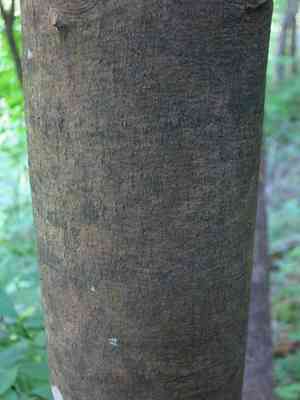
Yellowwood is treasured for its beautiful, fragrant white or pale yellow flowers that cascade in late spring. These flowers give way to lush, bright green leaves that create a vibrant summer canopy. Come autumn, the leaves transform into a striking yellow, providing a dramatic and picturesque landscape. The treeâs smooth grey bark adds winter interest, making it a focal point in any season.
Environmental Benefits Provided by Yellowwood
In addition to its beauty, Yellowwood offers substantial environmental benefits. Its dense foliage acts as a natural air purifier, filtering pollutants and providing cleaner air. The tree also contributes to soil stability with its root system, reducing erosion, especially on sloped terrains. Additionally, by providing natural shade, it helps lower energy costs for nearby buildings by reducing the need for air conditioning.
Enhancing Biodiversity with Yellowwood
Yellowwood plays a vital role in promoting local biodiversity. Its flowers are a rich nectar source for pollinators such as bees and butterflies, supporting their populations. The tree also provides habitat and food for various bird species, which seek out its seeds and shelter. By planting Yellowwood, you contribute to creating a balanced and vibrant ecosystem in your garden.
Landscaping Tips Using Yellowwood
Design Ideas Incorporating Yellowwood
Incorporating Yellowwood into your landscape can create an elegant focal point. It works well as a standalone specimen tree or in a mixed border with shrubs and perennials. Consider planting it as a backdrop to a perennial garden, where its blossoms can enhance the beauty of spring flowers. Yellowwood also pairs beautifully with water features and can be used to frame entrances or garden paths, creating a welcoming and serene environment.
Companion Plants that Work Well with Yellowwood
Yellowwood pairs well with plants that thrive in similar soil and light conditions. Some companion plants include flowering dogwood, redbuds, and understory ferns. These plants not only complement Yellowwood's aesthetic appeal but also support a diverse range of wildlife. Consider adding groundcovers such as hostas and heucheras to enhance the gardenâs texture and visual interest beneath the treeâs canopy.
Year-Round Maintenance Tips
Maintaining Yellowwood year-round requires minimal effort. During the initial years, ensure regular watering to establish a strong root system. Prune in late winter to remove any dead or crossing branches and promote healthy growth. Fertilize in early spring if necessary, using a balanced tree fertilizer. Additionally, inspect regularly for pests and diseases, although Yellowwood is relatively resistant compared to other trees.
Seasonal Changes and Visual Impact
Spring Blossoms and Summer Foliage
The spring season brings a stunning display of Yellowwood's blossoms, which attract both admiration and pollinators. These blooms transition into lush, green foliage that provides a cooling shade throughout the summer. The treeâs vibrant leaves create a refreshing visual break from the heat, making it a cherished spot in any garden.
Autumn Colors of Yellowwood
As cooler temperatures set in, Yellowwood undergoes a stunning transformation. Its leaves turn a brilliant yellow, lighting up the landscape with autumnal splendor. This seasonal change not only enhances the gardenâs beauty but also marks the transition to winter, offering a final burst of color before the quiet of the snowy months.



