Enhancing Your Garden Design with the Bleeding-heart vine Plant: A Landscaping Guide
1
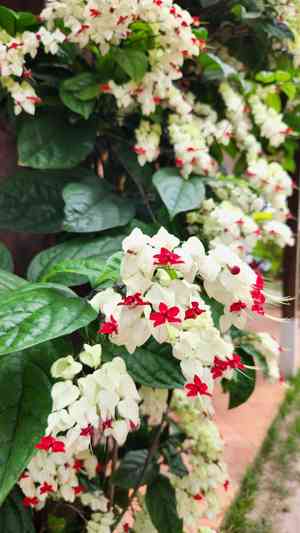
Bleeding-heart vine brings vivid hues and distinct texture to diverse garden designs.
2
Optimal positioning improves both visual charm and the plant's well-being.
3
Consistent care guarantees the Bleeding-heart vine flourishes throughout the year.
Introducing Bleeding-heart vine to Your Garden: Where to Begin?
Selecting the Optimal Spot for Bleeding-heart vine
Choosing the correct placement is vital for Bleeding-heart vine's development and vitality. Aim for an area offering partial to full sun, as Bleeding-heart vine thrives in bright settings. Avoid low-lying areas where water might accumulate, which can lead to root decay. Instead, opt for slightly elevated or well-drained spots to ensure roots remain healthy and dry.
Soil Preferences for Peak Growth
Bleeding-heart vine flourishes in well-drained, fertile soil. Enhance your garden soil with organic matter such as compost or aged manure to boost its fertility and drainage capabilities. Perform a soil test to determine pH levels; Bleeding-heart vine prefers slightly acidic to neutral soil (pH 6.0-7.0), adjustable with lime or sulfur as needed.
Light Requirements to Boost Blooming
Light is a critical element in the successful cultivation of Bleeding-heart vine. Position your plant where it receives morning sun and afternoon shade, especially in warmer climates. This balance helps maximize flowering while shielding the plant from intense heat. In areas with moderate temperatures, full sun exposure can encourage lush, vibrant blossoms.
Designing with Bleeding-heart vine: Strategic Placement Concepts
Creating Visual Anchors within the Landscape
Utilize Bleeding-heart vine as a striking focal point in your garden. Its vibrant blooms and rich foliage attract attention, making it ideal for creating prominent areas. Plant Bleeding-heart vine near patios, garden benches, or entryways to capture interest and provide a burst of color where people gather most.
Employing Bleeding-heart vine as a Groundcover or Climber
Bleeding-heart vine offers versatility in your landscape design, performing well as both a groundcover and a climbing vine. Train it to ascend trellises, arbors, or fences to add vertical interest. Alternatively, allow it to spread naturally to cover bare ground, which can prevent soil erosion and effectively suppress weeds.
Pairing Bleeding-heart vine with Other Flora
To cultivate a harmonious garden, combine Bleeding-heart vine with complementary plants. Pair it with contrasting foliage or plants that bloom in different seasons for year-round appeal. For instance, large-leaved foliage plants can beautifully contrast with the delicate Bleeding-heart vine flowers, creating a balanced and attractive display.
Care Guidelines for Sustaining Bleeding-heart vine's Vigor
Seasonal Pruning for Appearance and Health
Regular pruning helps maintain Bleeding-heart vine's form and vitality. Trim back dead or weak stems in late winter or early spring before new growth emerges. Prune spent flowers to encourage continuous blooming throughout the season. Proper pruning can also enhance air circulation, reducing disease risk.
Addressing Common Pests and Problems
Bleeding-heart vine can be vulnerable to pests such as aphids, spider mites, and whiteflies. Regularly inspect your plants for signs of infestation, like discolored leaves or stunted growth. Use insecticidal soap or natural predators such as ladybugs to manage pest populations. Appropriate plant spacing and airflow can also lessen disease risks.
Watering Approaches for Various Climates
Watering requirements for Bleeding-heart vine can differ based on climate. In hot, arid regions, water deeply once or twice weekly to establish a robust root system. In cooler, more humid areas, ensure the soil does not remain waterlogged. Mulch around the base can help retain moisture while preventing the soil from becoming oversaturated.



