Enhancing Your Garden Design with the Bush lily Plant: A Landscaping Guide
1
Clivia excels in shaded locations, making it ideal for dimly lit sections of your landscape.
2
Pairing Clivia with suitable companion plants can elevate your garden's aesthetic.
3
Caring for Clivia demands less work than numerous other decorative flora.
Introducing Bush Lily to Your Landscape
Bush lily's visual appeal explained
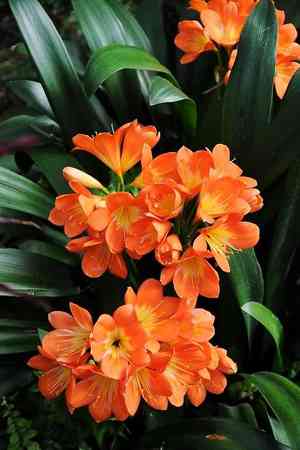
A standout characteristic of Bush lily is its vivid blossoms. These rich, colorful flowers enhance any garden, providing a warm, welcoming feel. The deep green foliage serves as a lush backdrop, further highlighting the blooms. Whether you're crafting a new landscape or improving an existing one, Bush lily brings a classic yet contemporary elegance to your garden.
Advantages of incorporating Bush lily into garden designs
Integrating Bush lily into your garden design offers several advantages. Not only does it provide an attractive focal point with its beautiful flowers and leaves, but it also requires relatively little upkeep. This resilient plant thrives in shaded areas where others might struggle, making it a versatile addition. Furthermore, Bush lily possesses a robust nature that resists pests and diseases, ensuring your garden stays vibrant with minimal effort.
Designing Your Outdoor Space with Bush Lily
Selecting the optimal spot for Bush lily
To maximize Bush lily's beauty and health in your garden, choosing the correct location is vital. This plant flourishes in shaded or partially shaded spots, protected from harsh direct sunlight. Consider placing Bush lily beneath large trees, along shaded garden paths, or in areas where other plants fail due to insufficient light. An ideal location will ensure Bush lily maintains its vibrant foliage and stunning flowers.
Pairing Bush lily with other plant species
Creating an aesthetically pleasing garden involves thoughtful plant combinations. Bush lily complements other shade-loving plants such as ferns, hostas, and astilbes. This pairing can produce a textured and layered appearance, enhancing the garden's overall aesthetic. The contrast of Bush lily's bold blooms with the softer greens of companion plants creates an enchanting and harmonious landscape.
Coordinating colors with Bush lily's blossoms
The vibrant hues of Bush lily's flowers present a unique chance for color coordination in your garden. Complementary shades like purples, blues, and whites from other plants can establish a serene and unified look. For a more dramatic statement, opt for contrasting colors such as reds and yellows. Utilizing Bush lily as a focal point or accent plant can define your garden's color scheme, making it a lively and inviting space.
Seasonal Considerations for Bush Lily
Best times for planting Bush lily
The most suitable time to plant Bush lily is during spring or early autumn when temperatures are moderate. Planting during these periods ensures Bush lily has optimal conditions for root establishment and acclimation to its new environment. In warmer climates, it's crucial to avoid planting during peak summer months to shield the plant from extreme heat.
Managing seasonal flowering cycles
Understanding and managing Bush lily's bloom cycles is essential for preserving its beauty. Typically, Bush lily flowers from late winter to early spring. To encourage blooming, ensure the plant receives adequate moisture and is not exposed to direct sunlight. After the flowering season, remove spent flowers to promote healthy growth and prepare the plant for the next bloom cycle.
Maintaining Bush Lily's Allure
Basic care guidelines
Maintaining Bush lily in your garden is relatively straightforward. Regular watering, especially during dry spells, ensures the soil remains consistently moist but not waterlogged. During the growing season, a balanced fertilizer can be applied monthly to encourage vigorous foliage and blooms. Removing old and damaged leaves keeps the plant looking neat and healthy.
Addressing common problems
While Bush lily is generally robust, it can encounter some typical issues. Pests like aphids and mealybugs can be treated with insecticidal soap. Over-watering can lead to root rot, so ensure proper drainage and avoid waterlogged soil. If leaves turn yellow, it might indicate excessive sun exposure or nutrient deficiency, which can be corrected by adjusting the plant's environment and feeding schedule.



