Enhancing Your Garden Design with the Blue mistflower Plant: A Landscaping Guide
1
A blue mistflower brings lively hues and interesting texture to garden layouts.
2
It aids local ecological variety through drawing in pollinating insects.
3
Blue mistflower is versatile and resilient, making it an excellent enduring option for outdoor spaces.
Appreciating the Visual Charm of Blue Mistflower
Appearance: Color and Texture
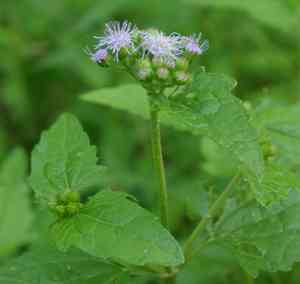
A primary reason Blue mistflower is favored in landscape design is its striking visual appeal. The plant showcases vivid blue blossoms that introduce a burst of color to any garden. Its abundant, green foliage offers a contrasting backdrop, creating a pleasing texture that elevates the overall look of your landscape. Whether used as an edge plant or within a flower bed, Blue mistflower stands out and captures attention.
Seasonal Transformations and Appeal
Blue mistflower provides continuous interest by subtly changing with the seasons. In spring and summer, it flowers magnificently, drawing notice with its vibrant blooms. During autumn, the plant continues to offer visual charm as the flowers gradually fade, leaving behind intriguing seed heads that add a different texture and appearance to the garden. This seasonal variation ensures your landscape remains captivating throughout the year.
Combining with Other Plants for Visual Balance
To maximize Blue mistflower's visual impact, consider pairing it with other complementary plants. It harmonizes well with various species, including grasses and perennials, which can enhance its allure. When selecting companion plants, aim for those with contrasting colors or textures, such as yellows and purples or fine foliage. This combination creates a dynamic and balanced display that will enthrall observers.
Benefits of Blue Mistflower in Ecological Balance
Attracting Pollinators and Supporting Biodiversity
Blue mistflower plays a vital role in supporting local ecosystems by drawing in a variety of pollinators, including bees, butterflies, and hummingbirds. These pollinators are crucial for the health of many plant species, and by incorporating Blue mistflower into your landscape, you contribute to your area's overall biodiversity. Moreover, a garden rich in pollinators is not only functional but also full of movement and life.
Role in Local Ecosystem: Enhancing Environmental Stability
Beyond attracting pollinators, Blue mistflower contributes to environmental stability. Its strong root system helps prevent soil erosion, while its foliage can improve soil quality by adding organic matter as it decomposes. These characteristics support the health of your garden and the broader environment, making Blue mistflower an eco-conscious choice for sustainable landscaping.
Practical Advice for Incorporating Blue Mistflower into Your Garden
Site Selection: Where to Plant Blue Mistflower for Optimal Growth
Choosing the correct location for Blue mistflower is crucial for its success in your garden. This plant thrives in well-drained soil and prefers a spot that receives full sun to partial shade. It can tolerate various soil types, but for the best results, opt for a loamy soil enriched with organic matter. Proper site selection will ensure Blue mistflower grows vigorously and remains healthy throughout its lifespan.
Integrating with Hardscape Elements
Combining Blue mistflower with hardscape elements like stone pathways, garden walls, or decorative rocks can boost its visual appeal. The contrast between the plant's soft, colorful blooms and the hard, textured surfaces creates a balanced and aesthetically pleasing garden design. This approach not only adds beauty but also defines garden areas, making your landscape more organized and functional.
Maintaining Aesthetic Cohesion in Design
To maintain a unified look, it's important to consider your garden's overall design theme. Blue mistflower works well in various styles, from cottage gardens to modern landscapes. Its adaptable nature allows you to use it in different settings without disrupting your design's harmony. Consistency in plant selection, color schemes, and arrangement will ensure Blue mistflower integrates seamlessly into your landscape.
Long-term Impact of Blue Mistflower in Landscaping Projects
Durability and Longevity in Landscapes
Blue mistflower is known for its resilience and long-lasting presence in garden environments. Once established, it requires minimal upkeep, making it an ideal choice for both new and experienced gardeners. Its ability to flourish in diverse conditions means it can provide enduring beauty and ecological benefits for years, reducing the need for frequent replacements and extensive care.
Adaptability to Changing Climatic Conditions
Climate change is a growing concern for gardeners, and plants that can adjust to shifting conditions are highly valuable. Blue mistflower possesses the ability to withstand a range of climatic variations, from extreme heat to unexpected cold snaps. This adaptability ensures your garden will remain vibrant and robust, regardless of the challenges posed by changing weather patterns.



