Enhancing Your Garden Design with the Kousa dogwood Plant: A Landscaping Guide
1
Kousa dogwood offers impressive seasonal color shifts, making it a captivating element in any garden setting.
2
Integrating Kousa dogwood into various landscape designs can enhance the richness and diversity of your layout.
3
Kousa dogwood is ideal for continuous appeal, guaranteeing your garden remains lively throughout the year.
Appreciating the Aesthetic Qualities of Kousa Dogwood
Visual Allure: Seasonal Hue Shifts
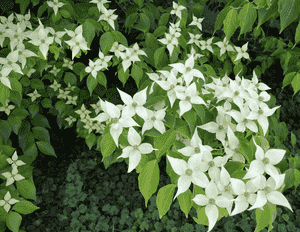
A prominent characteristic of Kousa dogwood is its vivid seasonal color transformations. In springtime, the plant showcases magnificent white or pink blossoms, offering a striking contrast to its fresh green foliage. As summer progresses, its leaves develop into a lush, dense canopy. By autumn, Kousa dogwood presents a spectacular display of red and purple leaves, injecting a burst of color into your garden. This year-round beauty ensures Kousa dogwood remains a central feature throughout the seasons, captivating observers and elevating your landscape's overall visual appeal.
Textural Variation in Garden Layout
Kousa dogwood introduces a distinct textural contrast that can enhance your garden's aesthetic. The plant's delicate flowers, rugged bark, and abundant leaves combine to form a dynamic presentation. Such textural diversity can alleviate monotony in a garden setting, providing a sensory delight for all visitors. The blend of smooth, tender petals and coarse, textured bark offers a visually engaging mix that stands out when paired with other flora. This textural interplay can help define garden zones and highlight key features.
Form and Dimensions' Impact on Spatial Dynamics
The form and dimensions of Kousa dogwood are crucial in shaping a landscape's spatial dynamics. Its relatively small to medium stature makes it suitable for various environments, from compact urban plots to expansive rural areas. With a rounded growth habit, Kousa dogwood adds a soft, organic shape to garden designs, contrasting with more angular or linear components. This can improve the garden's flow, fostering a more harmonious and pleasant atmosphere. By strategically placing Kousa dogwood, you can create depth, frame vistas, and establish natural boundaries within your outdoor space.
Integrating Kousa Dogwood into Diverse Landscape Styles
Complementing Formal Garden Designs
Kousa dogwood can seamlessly integrate into formal garden layouts, adding sophistication without disrupting the order. Its structured form and vibrant blooms complement symmetrical arrangements, precisely trimmed hedges, and neatly paved paths. Positioning Kousa dogwood at key locations like entrances or as central features can elevate the overall aesthetic, while its seasonal flowers offer a refreshing touch to the typically restrained formality of such gardens. It's an excellent choice for creating focal points that align with the refined geometry of formal settings.
Enhancing Cottage and Woodland Garden Themes
For more relaxed garden themes such as cottage or woodland styles, Kousa dogwood is an ideal match. Its natural, somewhat whimsical appearance helps to amplify the informal charm and serenity of these gardens. In cottage gardens, Kousa dogwood's colorful blossoms and rich autumn foliage provide a lush backdrop for mixed flower beds and winding pathways. In woodland settings, its ability to thrive in partial shade makes it a natural underplanting companion, blending seamlessly with forest flora and contributing to the layered look typical of such gardens.
Modern Landscaping: Utilizing Kousa Dogwood in Minimalist Designs
In modern minimalist landscape designs, Kousa dogwood can serve as a subtle yet impactful element. Its tidy structure and textural variety add depth and interest without overwhelming the simplicity that defines minimalist aesthetics. The key is to use Kousa dogwood sparingly, allowing it to function as a natural accent among the clean lines and open spaces typical of contemporary gardens. Its seasonal transformations and elegant form can offer a dynamic aspect to a minimalist garden, providing color and texture variations that prevent the space from appearing too stark or monotonous.
Seasonal Considerations for Kousa Dogwood in Your Garden
Blooming and Foliage Stages
Kousa dogwood experiences several distinct phases throughout the year, each contributing its unique charm to your garden. In spring, Kousa dogwood is covered in vivid flowers, which then give way to lush green leaves in the summer. The blossoms are not only beautiful but also attract various pollinators, bringing life to your garden. Observing these stages can help you plan your garden so that there's always something in bloom or displaying vibrant foliage, maintaining visual interest all year long.
Autumn Color and Winter Appeal
Autumn is perhaps one of the most captivating periods for Kousa dogwood, as its leaves transform into rich shades of red and purple. This seasonal shift can create a warm and inviting ambiance in your garden. In winter, even after the leaves have fallen, Kousa dogwood offers visual interest with its distinctive bark texture and structure. The plant's silhouette against a backdrop of snow or frost can be quite striking, adding a sculptural element to your winter garden.
Year-Round Contributions to the Landscape
One of the most appealing aspects of Kousa dogwood is its capacity to enhance your garden throughout the entire year. Whether it's the spring blossoms, the full summer canopy, the dazzling fall foliage, or the intriguing winter bark and branch structure, Kousa dogwood keeps your garden looking vibrant and engaging regardless of the season. Its resilience and adaptability also mean it can thrive in various conditions, making it a dependable and enduring component of your landscape design.
Pairing Kousa Dogwood with Other Plants for Maximum Effect
Selecting Companion Plants for Color Harmony
When choosing companion plants for Kousa dogwood, consider colors that either complement or contrast its seasonal changes. For instance, pairing Kousa dogwood with plants that have blue or purple flowers can create a stunning visual contrast with its white or pink blooms in spring. Similarly, selecting plants with consistent green foliage can help highlight Kousa dogwood's fall colors. Think about creating a palette of harmonious colors that shifts throughout the seasons, enhancing both Kousa dogwood and its companions.
Balancing Textures: Concepts and Inspiration
Achieving textural balance in your garden design can be accomplished by combining Kousa dogwood with plants that offer strikingly different forms and surface qualities. For example, pairing Kousa dogwood with grasses or ferns can create a pleasing contrast with its more substantial leaves and bark. The soft, fine textures of these companion plants can enhance the rugged charm of Kousa dogwood, providing a richer, more layered appearance. Consider the tactile experience of your garden, ensuring a mix of smooth, rough, soft, and hard elements.
Maintaining a Cohesive Garden Design
To maintain a unified garden design, it's crucial to create a balanced mix of plants that complement Kousa dogwood while enhancing the overall theme and structure of your space. Consistently consider the scale, proportion, and arrangement of your plants. Use Kousa dogwood as a focal point or an anchor plant, around which you can build layers and textures. Ensure there's a seamless flow between Kousa dogwood and its companion plants, making the garden appear well thought out and harmonious, rather than a collection of disjointed elements.



