Enhancing Your Garden Design with the Cornelian cherry Plant: A Landscaping Guide
1
The Cornelian cherry provides year-round appeal through its blossoms, berries, and leaves.
2
Thriving in diverse garden environments, Cornelian cherry favors soil that drains well and receives partial to full sunlight.
3
Thoughtful positioning of Cornelian cherry can greatly improve your garden's aesthetic.
Introducing Cornelian Cherry to Your Landscape
Appreciating the Visual Charm of Cornelian Cherry
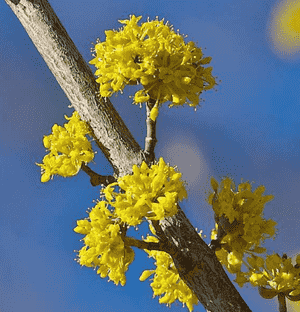
A primary reason Cornelian cherry is favored by garden enthusiasts and landscape architects is its outstanding visual appeal. This deciduous shrub or small tree presents a distinct blend of attractive characteristics that make it prominent in any setting. From its lovely yellow blossoms in early spring to its vivid red or purple fruits in summer, Cornelian cherry offers aesthetic interest for most of the year. Furthermore, its rich green leaves transform into striking red or purple in autumn, providing a multi-seasonal display of hues that can elevate any garden's beauty.
The Seasonal Color Spectrum of Cornelian Cherry
The varied color range of Cornelian cherry throughout the seasons brings dynamic beauty to your garden. In spring, its bright yellow blooms are among the first to appear, offering a cheerful hint of warmth after winter's chill. As summer progresses, the tree yields glossy red or purple berries, which not only offer a colorful contrast to the green foliage but also attract wildlife like birds, providing ecological advantages. By autumn, the leaves shift to deep red and purple tones, giving your landscape a stunning conclusion before winter arrives.
Selecting the Ideal Spot for Cornelian Cherry
Evaluating Light and Soil Conditions Suitable for Cornelian Cherry
When planting Cornelian cherry, location is paramount. This resilient plant thrives in well-drained soil and can adapt to various soil types, making it quite versatile. However, it performs best in soils rich in organic matter. Light conditions are another critical factor. Cornelian cherry prefers partial to full sun, so choosing a spot that receives ample sunlight is essential. Avoid waterlogged areas, as excessive moisture can lead to root problems. Testing your soil's pH and adjusting it to a mildly acidic to neutral range can also help ensure optimal growth.
Strategic Placement in the Garden for Maximum Effect
To maximize Cornelian cherry's impact in your landscape, strategic placement is key. Consider planting it where it can serve as a focal point, such as near your main entrance or along a garden path. Combining Cornelian cherry with other plants that have contrasting colors or textures can create visually stunning arrangements. Think about its growth habit and mature size when deciding on placement to ensure it has sufficient space to flourish without overshadowing other plants. Additionally, using it to frame garden beds or to line pathways can provide a cohesive and well-structured look to your garden.
Integrating Cornelian Cherry with Other Plants
Compatible Plant Varieties for Cornelian Cherry
Incorporating Cornelian cherry with compatible plant species can enhance your garden's overall appeal. Consider pairing Cornelian cherry with early spring bulbs like crocuses or daffodils, which will bloom around the same time and add layers of color. Summer-flowering perennials such as coneflowers and black-eyed Susans can provide overlapping blooms and boost the garden's biodiversity. Additionally, plants with contrasting foliage colors, such as hostas or ornamental grasses, can highlight Cornelian cherry's seasonal changes, creating a dynamic landscape.
Design Advice for Crafting a Harmonious Garden Landscape
Creating a harmonious garden landscape with Cornelian cherry involves careful planning and a mix of complementary plants. Begin by designing garden beds where Cornelian cherry is the central plant, surrounded by smaller shrubs and perennials that bloom in different seasons to ensure continuous interest. Use repetition to create a sense of unity—repeating Cornelian cherry or its companion plants in various parts of the garden can tie the design together. Also, consider the texture and form of plants; blending fine-textured plants with the coarse texture of Cornelian cherry can provide balance and visual intrigue.
Seasonal Considerations for Cornelian Cherry
How to Enhance the Year-Round Beauty of Cornelian Cherry
Maximizing Cornelian cherry's year-round beauty involves a blend of proper care and thoughtful garden design. In spring, prune any dead or damaged branches to encourage healthy growth and abundant flowering. During summer, provide adequate water, especially during dry spells, to ensure the plant remains healthy and vibrant. In autumn, enjoy the foliage's colorful transformation and consider leaving fallen leaves around the base to enrich the soil. Winter care includes mulching to protect roots from extreme cold and maintaining the plant's shape with light pruning if necessary.
Adjusting Landscape Design as Cornelian Cherry Matures
As Cornelian cherry matures, your landscape design may require adjustments to accommodate its growth. Regularly re-evaluating the garden layout ensures that Cornelian cherry continues to thrive without overcrowding other plants. Thinning out surrounding plants may be necessary to give Cornelian cherry more space. Also, observe changing light conditions as Cornelian cherry grows; what was once a sunny spot may become more shaded. Making these adjustments helps maintain a balanced and harmonious garden where all plants can flourish. Introducing new plants can also refresh the garden's look and complement Cornelian cherry's maturation.
Maintaining the Aesthetic of Cornelian Cherry
Essential Upkeep Tips for the Long-Term Health and Appearance of Cornelian Cherry
Maintaining Cornelian cherry's aesthetic appeal requires some essential upkeep tips that can easily be incorporated into your regular gardening routine. Watering during dry periods, especially in the first few years after planting, is crucial for establishing strong roots. Apply a layer of mulch around the base to retain moisture and suppress weeds. Pruning should be done in late winter or early spring before new growth begins. Removing dead or crossing branches not only improves the plant's appearance but also promotes healthy growth. Occasionally, apply a balanced fertilizer to provide essential nutrients.
Overcoming Common Issues in Growing Cornelian Cherry
Growing Cornelian cherry can present its own set of challenges, but with some knowledge and attentiveness, these can be easily managed. Pests and diseases such as leaf spots or aphids can affect Cornelian cherry, so regular monitoring is important. If you notice any signs of trouble, act quickly with appropriate treatments. Poor flowering can result from insufficient sunlight or nutrients, so ensure Cornelian cherry is planted in optimal conditions and fed with a balanced fertilizer. Proper spacing and good air circulation can also prevent fungal issues, ensuring Cornelian cherry remains a healthy and vibrant part of your landscape.



