Enhancing Your Garden Design with the Japanese red cedar Plant: A Landscaping Guide
1
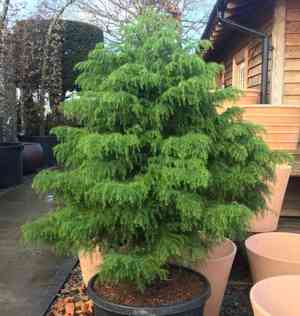
Cryptomeria japonica 'Elegans' offers striking aesthetic appeal year-round because of its distinctive leaves.
2
When establishing Cryptomeria japonica 'Elegans', select sites receiving abundant sun and having well-draining, acidic earth for best development.
3
Cryptomeria japonica 'Elegans' complements flowering bushes and herbaceous plants wonderfully, establishing both distinction and balance in your landscape.
Overview of Japanese Red Cedar in Landscape Design
Brief summary of Japanese red cedar's distinct attributes
Japanese red cedar, recognized for its imposing stature, offers a mix of grace and durability, making it an excellent option for any outdoor space. Its conical form and rich, evergreen leaves distinguish it, providing structure and a constant green backdrop. With the capacity to reach impressive heights, Japanese red cedar becomes a prominent feature in expansive yards or public parks.
The aesthetic appeal of Japanese red cedar in various garden styles
The aesthetic adaptability of Japanese red cedar allows it to integrate smoothly into diverse landscape schemes. Whether you aim to establish a tranquil Japanese garden, a robust privacy barrier, or an elegant border, Japanese red cedar can suit various themes. Its thick foliage and vivid green hue during the growing season, along with reddish tones in autumn, contribute to its year-round visual charm.
Optimal Placement for Japanese Red Cedar
Ideal spots for Japanese red cedar in your garden or yard
Japanese red cedar flourishes best when situated in areas that provide ample room for its roots to spread and its branches to extend. Prime locations include the edges of large properties, as a central feature in spacious gardens, or alongside driveways to form an impressive and scenic entrance. It's crucial to consider the tree's mature dimensions, ensuring it doesn't obstruct views or encroach upon other plants.
Considering light and soil conditions for planting Japanese red cedar
Japanese red cedar prefers sites that receive full sun to partial shade. The soil should be well-drained and slightly acidic to neutral, ensuring the treeâs roots remain healthy and preventing issues related to waterlogging. Incorporating organic matter into the soil can improve its drainage capacity and nutrient content, fostering vigorous growth.
How Japanese Red Cedar Complements Other Flora
Pairing Japanese red cedar with flowering shrubs and perennials
To cultivate a vibrant and visually pleasing garden, combine Japanese red cedar with a variety of blooming shrubs and perennials. This pairing can break up the uniformity of green with bursts of color throughout the year. Consider planting hydrangeas, azaleas, or rhododendrons alongside Japanese red cedar to introduce vibrancy and seasonal blossoms.
Utilizing Japanese red cedar to create contrast and balance in plant arrangements
The deep green foliage of Japanese red cedar contrasts beautifully with lighter-colored plants, establishing a harmonious equilibrium in your garden design. Incorporating ground covers with diverse textures and hues, such as hostas or ferns, adds depth and interest. The vertical lines of Japanese red cedar also complement the horizontal spread of other plants, generating visual intrigue.
Year-Round Advantages of Including Japanese Red Cedar in Your Landscape
Visual appeal across all seasons
A key attribute of Japanese red cedar is its capacity to maintain visual appeal throughout the year. In spring and summer, its lush green foliage offers a vibrant backdrop for blooming plants. As autumn arrives, the leaves may develop a reddish tint, adding warm hues to your garden. During winter, Japanese red cedar's evergreen nature ensures that your landscape retains structure and color, even in the dormant months.
Maintaining year-round privacy with Japanese red cedar
Japanese red cedar also serves as an excellent natural screen if you aim to enhance privacy in your yard. Its dense foliage and substantial height effectively block views, creating secluded and peaceful outdoor areas. Plant Japanese red cedar in rows along property boundaries or around patios to enjoy year-round shelter from prying eyes and strong winds.



