Enhancing Your Garden Design with the Sago palm Plant: A Landscaping Guide
1
Incorporate Sago palm into your landscape design for striking visual accents.
2
Sago palm flourishes optimally in soil that drains well and receives some indirect sun.
3
Combine Sago palm with suitable companion plants to enhance garden aesthetics.
The Visual Allure of Sago Palm in Garden Design
Understanding the Distinctive Appearance of Sago Palm
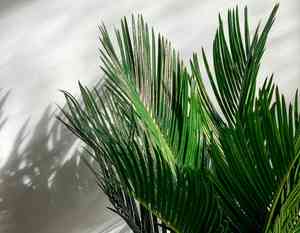
A primary characteristic of Sago palm is its remarkable look. Featuring rigid, deep green fronds extending from a central trunk, it presents a bold outline that enhances any garden. Sago palm is often mistaken for a true palm due to its similar leaf structure, but it is actually a cycad. This ancient plant brings a touch of timeless grace to contemporary landscapes. Its slow growth rate makes it an excellent enduring feature that will maintain its form and size without constant upkeep.
Utilizing Sago Palm to Establish Focal Points in Gardens
Establishing a focal point in your garden can attract attention and create a sense of order and equilibrium. Sago palm serves as an ideal focal point due to its unique form. Position it in central garden beds or at the end of paths to capture visitors' gaze. The distinct shape and texture of Sago palm make it a natural choice for solitary planting, yet it also complements various garden styles, from tropical to modern. By using Sago palm as a centerpiece, you can generate visual interest and direct the viewer's eye to specific areas of your garden.
Optimal Companion Plants to Pair with Sago Palm
Pairing Sago palm with suitable companion plants can amplify its beauty and integrate it smoothly into your landscape. Consider using shorter plants like ornamental grasses or ground covers to form a contrasting layer around Sago palm. The soft, flowing texture of grasses beautifully contrasts with the rigid structure of Sago palm's fronds. Additionally, blooming plants such as perennials or shrubs with vibrant flowers can add splashes of color that highlight Sago palm's dark green foliage. Succulents and other drought-tolerant plants are also excellent partners, sharing similar soil and watering requirements.
Selecting the Ideal Location for Sago Palm in Your Garden
Assessing Sunlight and Shade for Optimal Development
Sago palm thrives best in areas with partial sunlight, making it perfect for spots that receive morning sun and afternoon shade. While it is quite adaptable, placing it in a position with excessive direct sunlight can cause the fronds to yellow. Conversely, too much shade can hinder its growth and diminish its visual impact. Observe how sunlight moves through your garden throughout the day to choose the best placement. A well-chosen location will allow Sago palm to grow healthily and maintain its rich, green hue.
Advice for Soil Preparation and Landscape Positioning
Preparing the correct soil is vital for the successful growth of Sago palm. It prefers well-draining soil to prevent root rot, which can be achieved by mixing sand or gravel into your garden soil. Ensure the planting site is slightly elevated or install a proper drainage system to avoid waterlogged conditions. When positioning Sago palm in your landscape, consider its mature size. While it grows slowly, giving it ample space from the outset prevents crowded roots and allows it to spread its fronds fully. Maintaining a distance from nearby structures or other large plants will also ensure it has room to grow and flourish.
Seasonal Considerations for Sago Palm in Outdoor Settings
Adapting Landscape Designs to Accommodate Seasonal Changes
Understanding how seasonal changes impact Sago palm is crucial for maintaining its health throughout the year. During the active growth period, typically in spring and summer, it's beneficial to provide consistent moisture while avoiding standing water. As autumn approaches, reduce irrigation to prepare the plant for its dormant phase. You'll also need to regularly clear fallen leaves or debris from around the plant to allow proper air circulation. Adjusting your garden maintenance routines to the seasonal needs of Sago palm will ensure it remains a striking feature through all seasons.
Winter Protection Strategies for Sago Palm
In colder climates, Sago palm requires additional care to survive winter. It's susceptible to frost, so consider using frost cloths or burlap to cover it during particularly cold nights. Mulching around the base of the plant can also provide insulation for the roots. If Sago palm is potted, moving it to a sheltered location, such as a greenhouse or indoor area, can help protect it from extreme temperatures. By implementing these protective measures, you can ensure Sago palm continues to thrive and add beauty to your garden even in harsh winter conditions.
Integrating Sago Palm with Other Landscape Components
How to Use Sago Palm in Conjunction with Water Features
Incorporating water features like ponds, fountains, or waterfalls with Sago palm adds a dynamic element to your garden. The reflective surfaces and gentle sounds of water complement the serene appearance of Sago palm. Place Sago palm near water features to create a tranquil, oasis-like atmosphere. The plant's moisture tolerance allows it to thrive in these settings without needing excessive watering. This combination can create a visually balanced and soothing environment that enhances the overall aesthetic of your landscape.
Creating Harmony with Hardscaping and Sago Palm
Hardscaping elements like patios, walkways, and retaining walls can be harmoniously integrated with Sago palm to create a cohesive landscape design. Use Sago palm to soften the edges of hard surfaces and add visual interest to otherwise plain structures. The strong, architectural lines of the plant contrast well with the smooth textures of stone or concrete. Consider positioning Sago palm at transitional points between different areas of your garden to guide movement and establish a connection between softscape and hardscape elements. This balanced combination can significantly elevate the appeal and functionality of your outdoor space.



