Enhancing Your Garden Design with the Scotch broom Plant: A Landscaping Guide
1
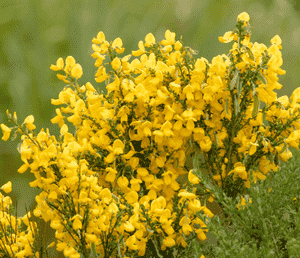
Scotch broom brings vivid hues and a distinct form, making it a prominent feature in any landscape.
2
This species is recognized for its minimal upkeep and strong durability, ideal for active gardeners.
3
Scotch broom offers ecological advantages such as nitrogen enrichment, improving ground quality.
Introducing Scotch Broom in Landscaping
Overview of Scotch broom's features
Scotch broom is a hardy and adaptable shrub, often recognized by its slender, arching stems and vibrant yellow blossoms. It's a perennial, meaning it returns annually, providing consistent beauty and structure to your garden. This plant flowers from late spring to early summer, offering a burst of color that can brighten any landscape. It can reach up to 3 meters in height and width, forming dense clusters useful for various landscaping purposes, from natural fences to erosion control.
Scotch broom's popularity in modern garden design
Recently, Scotch broom has become favored by landscapers and gardeners due to its striking appearance and minimal upkeep. Its bright, cheerful flowers and lush green foliage make it an excellent choice for adding color and texture to garden spaces. Moreover, its adaptability to diverse soil types and climates makes it a versatile option for many regions. Many contemporary gardens feature Scotch broom as a prominent plant, utilizing its aesthetic appeal and practical advantages.
Why Select Scotch Broom for Your Landscape?
Aesthetic Appeal: Color and form
Scotch broom is visually appealing, thanks to its vivid yellow blooms and distinctive structural shape. The arching branches create a soft, elegant silhouette that adds a dynamic element to any garden design. Whether used as a solitary feature or combined with other plants, Scotch broom enhances your garden's visual interest with its bright, showy flowers and rich green leaves.
Upkeep and resilience
One of Scotch broom's key advantages is its low maintenance requirements. This plant is highly resilient, tolerating a range of soil conditions and needing minimal watering once established. It is also drought-tolerant and resistant to most pests and diseases, making it a trouble-free addition to your garden. By choosing Scotch broom, you invest in a beautiful plant that doesn't demand constant attention and care.
Environmental advantages of planting Scotch broom
Scotch broom offers significant environmental benefits. It is known for its ability to fix nitrogen, which improves soil fertility and health. By planting Scotch broom, you can enhance your soil's nutrient content, benefiting other plants in your garden. Additionally, Scotch broom provides habitat and food for various pollinators, contributing to biodiversity and ecological health.
Design Concepts Featuring Scotch Broom
Creating focal points with Scotch broom
Scotch broom makes an excellent focal point in garden design due to its striking flowers and distinctive form. Consider using it as a centerpiece in a flower bed or as a standalone shrub to draw attention to specific garden areas. Its height and spread can create a natural focal point that adds depth and interest to your landscape.
Pairing Scotch broom with other plants
To create a cohesive and visually appealing garden, combine Scotch broom with other plants that complement its characteristics. Pairing it with perennials such as lavender or grasses like fountain grass can enhance its visual impact. Such combinations can create a harmonious and balanced design, leveraging the bright yellow of Scotch broom's flowers against the softer shades and textures of companion plants.
Seasonal planting advice for Scotch broom
For optimal results, plant Scotch broom in well-drained soil and a sunny location. It is best planted in early spring or fall when temperatures are moderate. Ensure adequate spacing to allow the plant to reach its full potential without overcrowding. Regular pruning after flowering helps maintain its shape and encourages more abundant blooms in the following season.
Challenges and Considerations
Managing Scotch broom's growth and spread
While Scotch broom is a beautiful addition to any garden, it can become invasive if not properly managed. Regular pruning and monitoring are essential to prevent it from spreading uncontrollably. Be mindful of its growth patterns and remove any unwanted shoots promptly to maintain your garden's intended design and structure.
Suitability for local climate and soil
Scotch broom thrives in well-drained soil and prefers full sun, though it can tolerate partial shade. It is well-suited to various climates but performs best in temperate regions. Before planting, check local soil conditions and adjust accordingly, ensuring the plant receives the optimal environment for healthy growth.
Local regulations and biodiversity impact
It's important to be aware of local regulations regarding Scotch broom, as it can be considered invasive in some areas. Ensure compliance with local gardening guidelines and consider its impact on native biodiversity. Implementing proper control measures and responsible planting practices can help mitigate any negative effects on the local ecosystem.



