Enhancing Your Garden Design with the Chinese pink Plant: A Landscaping Guide
1
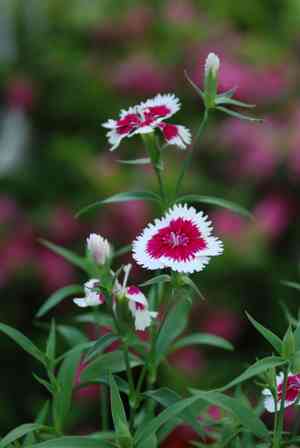
Dianthus chinensis provides vivid hues that can enrich any garden aesthetic.
2
Position Dianthus chinensis in a spot receiving sufficient sunlight for best development.
3
Pairing Dianthus chinensis with suitable companion plants can foster a balanced garden.
Introducing Chinese Pink in Garden Design
Overview of Chinese pink's aesthetic appeal in garden environments
Chinese pink is a plant highly valued by gardeners for its vivid hues and delicate blossoms. It injects a burst of color into any garden, with flowers spanning from pinks to purples. Renowned for its extended blooming season, Chinese pink brings a dynamic and lively element to your garden throughout the active growth period. The plant's compact and rounded form also makes it a versatile option for various landscape styles, fitting well in both structured and natural garden settings.
Advantages of integrating Chinese pink into landscape plans
Incorporating Chinese pink into your garden offers numerous benefits. Firstly, it can attract beneficial pollinators like bees and butterflies, boosting your garden's biodiversity. Secondly, Chinese pink requires relatively little upkeep, making it an excellent choice for both beginner and experienced gardeners. Its drought-tolerant nature ensures it thrives even in challenging conditions, reducing the time and resources spent on irrigation and maintenance.
Selecting the Ideal Location for Chinese Pink
Considerations for choosing a site for Chinese pink
When selecting a location for Chinese pink, evaluate factors such as soil composition, drainage, and available space. Chinese pink prefers well-draining soil with a neutral to slightly alkaline pH. Ensure the area is not prone to waterlogging, as this can lead to root decay. The space should also accommodate the plant's growth habit, allowing it to spread without crowding adjacent plants.
How sunlight exposure impacts Chinese pink's development and flowering
Chinese pink flourishes best in full sun to partial shade. Full sun encourages robust growth and abundant flowering, while partial shade can be advantageous in particularly hot climates where it helps shield the plant from excessive heat. Ensure your chosen spot receives at least 4-6 hours of daily sunlight for optimal performance.
Strategies for maximizing Chinese pink's visual impact in your garden
Enhance Chinese pink's visual appeal by planting it in groupings or drifts rather than as individual specimens. This creates a more natural and striking display. Consider placing Chinese pink along walkways, in borders, or as a front-row plant in mixed beds to fully leverage its stunning blooms and form. Utilizing it as an edge plant can also define areas and establish a sense of order and beauty in the garden.
Combining Chinese Pink with Other Plants
Companion plant species for Chinese pink
Pair Chinese pink with plants that offer contrasting foliage or complementary flower colors to elevate your garden's overall aesthetic. Suitable companions include ornamental grasses, which add texture, and other perennials like lavender or salvia, which share similar growing conditions and provide extended seasonal interest. The combination of Chinese pink with these plants can create dynamic and appealing garden scenes.
Design principles for achieving harmonious plant pairings
When designing with Chinese pink, balance is crucial. Mix Chinese pink with plants of varying heights and textures to prevent monotony and create depth. Employ color theory principles to establish either harmonious or contrasting themes. For instance, combining Chinese pink with blue or purple flowering plants can produce a cool and calming effect, while pairing it with yellow or orange flowers can add warmth and vibrancy to your garden.
Seasonal Care for Chinese Pink
What to anticipate from Chinese pink throughout the year
In spring and summer, Chinese pink produces its most prolific blooms. As temperatures begin to fall in autumn, flowering will diminish, but the plant's foliage can still provide some greenery through the fall. During winter, Chinese pink may die back in colder regions, but with proper care, it can rebound in spring.
Preparing Chinese pink for climatic shifts
To prepare Chinese pink for seasonal changes, ensure you apply mulch around the plant's base to protect roots during cold weather and retain moisture in hotter months. Pruning spent flowers and stems can also help it maintain a neat appearance and encourage further blooming. In areas with harsh winters, consider covering plants or using containers that can be moved to sheltered locations.
Creative Display Methods for Chinese Pink
Unique garden design concepts featuring Chinese pink
Be imaginative with Chinese pink by integrating it into various garden features. Use it to form intricate patterns in formal garden designs or naturalistic drifts in more informal settings. Chinese pink also performs well in container gardens or hanging baskets, adding elegance to patios and balconies.
Utilizing Chinese pink for borders, groupings, and focal points
Chinese pink is excellent for creating visually striking borders and edgings. Plant it in clusters to make a bold statement or use it as a central feature in a garden bed. The vibrant colors and tidy growth habit of Chinese pink can draw the eye and add structure to your garden design.
Maintaining Beauty: Essential Advice
Regular inspections and adjustments for a stunning Chinese pink display
Periodically check for pests and diseases that could impact Chinese pink's appearance. Promptly remove any affected parts and treat with appropriate remedies if necessary. Ensuring consistent watering and fertilization can also keep your Chinese pink looking vibrant and healthy.
Quick solutions for common aesthetic issues with Chinese pink
If your Chinese pink begins to appear leggy, trimming it back can promote denser growth. Yellowing leaves might indicate overwatering or nutrient deficiencies, so adjusting these can quickly resolve the issue. For fading blooms, regular deadheading can encourage new flowers and extend the blooming period.



