Enhancing Your Garden Design with the Flame violet Plant: A Landscaping Guide
1
The Flame violet is a visually striking plant, bringing vivid hues to your garden space.
2
Thoughtful placement of Flame violet can improve your garden's ecological equilibrium.
3
Knowing how to care for Flame violet throughout the seasons guarantees its long life and attractiveness.
Introducing Flame Violet in Garden Design
Discovering the visual appeal of Flame violet
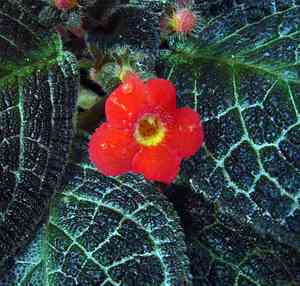
A standout characteristic of Flame violet is its striking foliage. The leaves often display hues of green, bronze, and even purple, creating a captivating visual. The plant's lush, cascading growth habit makes it perfect for hanging baskets or spilling over pot edges. Its flowers are another prominent feature, blooming in shades of red, orange, and pink, providing a fiery contrast to the greenery. Whether used as ground cover or a focal point in a container garden, Flame violet adds an exotic touch and a burst of color that can transform any outdoor space.
The role of Flame violet in eco-friendly landscaping
Beyond its beauty, Flame violet fulfills important ecological roles within the garden. Its dense foliage offers excellent ground cover, which helps prevent soil erosion. Furthermore, Flame violet can establish a microhabitat for various beneficial insects and small wildlife. Gardens rich in plant diversity, including Flame violet, can support pollinators and serve as a natural pest control solution. By thoughtfully selecting and positioning Flame violet in your landscape, you can contribute to your garden's ecological health, fostering a more sustainable and balanced ecosystem.
Strategic Placement of Flame Violet in Your Garden
Ideal locations for Flame violet to thrive
For Flame violet to flourish, it's essential to consider its light and soil preferences. Flame violet favors bright, indirect light and can tolerate a mix of dappled sunlight and shade, making it perfect for understory planting or shaded garden spots. The soil should drain well yet retain moisture; a blend of peat, perlite, and loamy soil generally works effectively. Avoid placing Flame violet in areas prone to waterlogging, as this can lead to root rot. Optimal locations include the base of larger plants where it can benefit from filtered light, or in hanging baskets where it can cascade beautifully.
Pairing Flame violet with other plants
One of the most effective ways to utilize Flame violet is by combining it with complementary plants. Its vibrant foliage and flowers can create a beautiful contrast with plants that have larger, solid-colored leaves. Consider planting Flame violet alongside ferns, hostas, or other shade-loving plants to create a visually appealing mix. The textural contrast can make your garden more dynamic and visually engaging. Additionally, pairing Flame violet with taller plants that provide necessary shade can mimic its natural habitat, leading to a healthier, more vibrant garden space.
Seasonal Care for Flame Violet
Maintaining Flame violet throughout the year
Seasonal care is crucial for preserving the health and beauty of Flame violet. During the active growing season in spring and summer, consistent watering and occasional feeding with a balanced fertilizer can promote vigorous growth and flowering. As temperatures decrease in autumn, reduce watering to prevent root rot. In regions with harsh winters, Flame violet should be brought indoors or placed in a greenhouse to shield it from frost. Maintaining humidity and moderate temperatures indoors will help it survive the colder months. Through careful seasonal adjustments, you can ensure that Flame violet continues to thrive year-round.
Annual vs. perennial behavior of Flame violet in your garden
Depending on your local climate, Flame violet may behave as either an annual or perennial. In tropical and subtropical regions, it can thrive year-round as a perennial, continuously providing lush foliage and blooms. In cooler climates, however, it is often treated as an annual, with gardeners either replanting it each year or overwintering it indoors. Understanding your local growing conditions can help you determine the best way to integrate Flame violet into your garden. Whether as a long-lasting perennial or a vibrant annual, Flame violet offers the flexibility to fit into various garden strategies.
Design Tips for Integrating Flame Violet into Landscape Features
Creating focal points with Flame violet
Using Flame violet as a focal point in your garden can attract attention and create a stunning centerpiece. Its vibrant colors and unique texture make it ideal for prominent spots. Consider planting Flame violet in a decorative container placed at a key location, such as the entrance to a garden path or the center of a patio. By pairing it with contrasting colors and textures, you can create a visual anchor that enhances the overall design of your garden. Flame violet's versatility allows it to shine as a standalone feature or as part of a more intricate design.
Enhancing pathways and borders
Another excellent application for Flame violet is along pathways and garden borders. Its trailing habit can soften the harsh edges of walkways, creating a more inviting and natural transition between different garden areas. Planted along the edges of a path, Flame violet can guide visitors through the garden while adding color and interest. In borders, it pairs well with larger, structural plants, acting as a colorful underplanting that complements taller species. Utilizing Flame violet in this manner can enhance the flow and cohesiveness of your garden design.
FAQs: Common Questions About Using Flame Violet in Landscaping
Optimal soil conditions for Flame violet
Optimal soil conditions are crucial for the success of Flame violet. It prefers a well-draining, slightly acidic soil with good organic content. A mixture of peat, perlite, and loamy soil can create the right balance of drainage and moisture retention. Regularly amending the soil with organic matter, such as compost, can also improve its quality and support healthy growth. Monitoring pH levels and ensuring proper drainage will help Flame violet flourish in your garden.
Managing common pests and diseases
Like many plants, Flame violet can be susceptible to pests and diseases. Common issues include spider mites, aphids, and fungal infections. Regularly inspecting the plant and maintaining good air circulation can prevent many problems. If pests do appear, organic treatments such as neem oil or insecticidal soap can be effective. For fungal issues, reducing humidity and ensuring the plant is not overwatered can help. Staying vigilant and taking prompt action at the first sign of trouble will keep Flame violet healthy and vibrant.



