Enhancing Your Garden Design with the California poppy Plant: A Landscaping Guide
1
California poppy flourishes in bright areas and soil that drains effectively.
2
Think about combining California poppy with other indigenous flora for a cohesive aesthetic.
3
California poppy needs little water after it's rooted, making it a good option for dry conditions.
Appreciating the Visual Appeal of California Poppy
Visual Characteristics: Describe the distinct visual attributes of California poppy
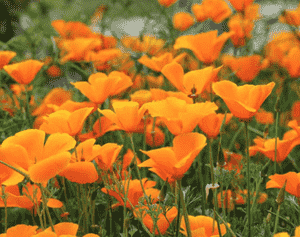
California poppy is celebrated for its lively, cup-shaped blossoms, appearing in hues from bright orange to gold. These blooms frequently close at night and on overcast days, adding dynamic movement to your outdoor space. The delicate, fern-like leaves provide a subtle contrast to the bold flowers, making California poppy an appealing addition to diverse garden styles.
Seasonal Changes: Discuss how California poppyâs look varies throughout the year
The appearance of California poppy changes significantly with the seasons, bringing an evolving charm to your garden. In spring, a profusion of flowers creates a stunning visual display. As the seasons advance and temperatures rise, California poppy may produce less foliage but still offers a delightful presence with occasional blooms. By late summer and fall, plants typically go to seed, creating interesting textures and forms.
Color Palette Compatibility: Explain how California poppy's colors complement various landscape designs
The vivid shades of California poppy can be incorporated into any landscape design, acting as focal points or accents. Its golden tones blend well with blues, purples, and greens from other plants, creating a visually pleasing contrast. Furthermore, the bright colors of California poppy complement neutral hardscape elements such as stone, brick, or wood, highlighting the natural beauty of your landscaping features.
Optimal Landscape Practices for California Poppy
Location and Sunlight: Ideal placement for California poppy's best growth
California poppy thrives in spots receiving full sun, ideally 6-8 hours of direct sunlight daily. Choose well-drained soil for planting California poppy, avoiding areas prone to water retention. These plants perform best in open spaces without heavy shade, ensuring they get sufficient light for abundant flowering.
Companion Planting: Suggested pairings with other plant species
For a beautiful and harmonious garden, consider planting California poppy with species that flourish under similar conditions. Compatible companions include lavender, sage, and yarrow. These plants not only share similar growth requirements but also create a visually striking palette and an inviting environment for pollinators.
Spacing Guidelines: How to effectively space California poppy for aesthetic appeal
When planting California poppy, space them approximately 8-10 inches apart to allow for proper air circulation and development. This spacing helps maintain an aesthetically pleasing landscape while preventing overcrowding. Adequate spacing ensures each plant has ample room to display its full beauty, contributing to a healthy and vibrant garden design.
Maintaining California Poppy in Your Landscape
Watering Needs: General irrigation advice for keeping California poppy healthy
California poppy is a drought-tolerant plant, making it an excellent choice for water-wise gardens. During establishment, keep the soil moderately moist. Once mature, California poppy requires minimal watering, typically only during extended dry spells. Overwatering can lead to root rot, so it's crucial to ensure soil dryness between waterings.
Dealing with Pests: Common pests for California poppy and eco-friendly control methods
While California poppy is relatively pest-resistant, it can occasionally attract aphids and caterpillars. Combat these pests using environmentally friendly methods such as neem oil, insecticidal soap, or introducing beneficial insects like ladybugs. Regularly inspect your plants and manually remove any pests to maintain a healthy garden.
Seasonal Upkeep: Season-specific care tips for California poppy
To keep California poppy flourishing throughout the year, adapt your care to the seasons. In spring, prune dead foliage to encourage new growth. During summer, ensure the soil remains slightly dry to prevent overwatering. In fall, consider allowing some flowers to go to seed for natural propagation. Lastly, in winter, a thin layer of mulch can protect roots in colder climates.
Innovative Uses of California Poppy in Landscape Designs
As a Focal Point: Strategies to make California poppy the center of attention in a garden
California poppy can serve as a stunning centerpiece in any garden due to its vibrant colors and unique foliage. Plant California poppy in clusters in central garden beds or containers to draw the eye and create a focal point. Pairing it with contrasting foliage and hardscape can further enhance its visual impact.
Borders and Edges: Effective ways to use California poppy to define or highlight garden areas
Utilize California poppy along borders and garden edges to delineate spaces or add a splash of color. Planting a row of California poppy along pathways or garden beds creates a natural, flowing boundary that guides the eye and adds structure to your landscape. The vibrant flowers can accentuate garden areas, making even the smallest sections stand out.
Integration with Hardscapes: Ideas to blend California poppy with non-plant elements
Integrate California poppy with various hardscape elements like rocks, pavers, or statues to create dynamic and cohesive garden designs. The bright flowers can soften the lines of walkways or patios, making the hard elements appear more organic. Additionally, consider planting California poppy in crevices or between stepping stones for a more naturally integrated look.



