Enhancing Your Garden Design with the Evergreen spindle Plant: A Landscaping Guide
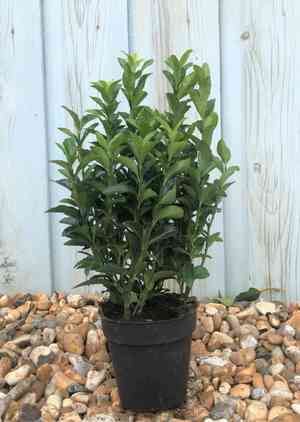
1
Euonymus japonicus is ideal for providing continuous foliage in your garden.
2
Factor in sun exposure and shade when positioning Euonymus japonicus.
3
Consistent trimming aids in preserving the form and vitality of Euonymus japonicus.
Introducing Evergreen Spindle in Garden Design
The visual appeal of Evergreen Spindle
Evergreen spindle provides a rich, lively look, making it a superb option for adding abundant green leaves to your garden. Its thick, evergreen foliage offers a pleasing texture that works well in various garden settings. Whether aiming for a tranquil atmosphere or a vibrant, colorful display, Evergreen spindle serves as a flexible foundation. Its polished, shiny leaves can reflect light, brightening shaded spots and enhancing your landscape's overall beauty.
Adaptability in garden layouts
A key advantage of Evergreen spindle is its flexibility. This plant integrates smoothly into many garden designs, from formal arrangements to casual backyard setups. You can utilize Evergreen spindle as a hedge, in containers, or as foundational plantings. It pairs well with both flowering plants and other shrub types, making it a versatile choice for mixed borders and planter beds. This adaptability allows you to experiment with diverse landscaping themes and styles without concern about Evergreen spindle fitting in appropriately.
Optimal Placement of Evergreen Spindle in Your Garden
Considering sun exposure and shade
When deciding where to position Evergreen spindle in your garden, it's crucial to assess the amount of sunlight the area receives. Evergreen spindle thrives in spots that get full sun to partial shade. Ensure your chosen location has at least a few hours of direct sunlight daily for best growth. Placing Evergreen spindle in areas with filtered light can also help prevent the plant from scorching due to excessive intense sun, particularly in warmer climates.
Harmonizing Evergreen Spindle with other plants
Creating a balanced garden involves careful placement of Evergreen spindle among other plants. Consider the height, spread, and color of nearby flora to achieve a cohesive and visually pleasing arrangement. Evergreen spindle works wonderfully as a backdrop for colorful perennials or annuals, offering a consistent green canvas that highlights the vibrant hues of blooming plants. Additionally, positioning taller plants behind Evergreen spindle and shorter ones in front can help create a layered effect, adding depth and interest to your landscape.
Seasonal Considerations for Evergreen Spindle
Best times for planting Evergreen Spindle
The ideal period to plant Evergreen spindle is during the cooler months of autumn or early spring. Planting at these times allows the root system to establish before the stress of hot summer weather begins. Furthermore, the milder temperatures and more consistent rainfall typical of these seasons provide the perfect environment for young plants to root and flourish.
Seasonal care recommendations (general)
Seasonal care for Evergreen spindle involves adjusting your gardening practices to meet the plant's needs throughout the year. In winter, ensure mulch is applied to protect the roots from freezing. During active growth periods, regular watering and occasional fertilizing can help maintain vitality. Prune in late winter or early spring before new growth starts to shape the plant and remove any dead or damaged wood.
Design Concepts Using Evergreen Spindle
Creating focal points with Evergreen Spindle
Evergreen spindle is excellent for establishing focal points in your garden. Its dense foliage and structured form make it an attractive centerpiece for garden beds. You can strategically place Evergreen spindle in the center of circular or square garden beds to draw attention or use it to anchor a specific section of your landscape.
Border and edge applications
Utilizing Evergreen spindle for borders and edging is a practical way to define garden areas and pathways. Its compact growth habit makes it suitable for neatly lining walkways, driveways, and flower beds. The evergreen nature of Evergreen spindle ensures that these borders remain lush and appealing throughout the year, even when other plants may not be in bloom.
Integrating Evergreen Spindle into themed gardens
Whether you're designing a traditional English garden, a modern minimalist space, or a themed garden like a Japanese Zen garden, Evergreen spindle can be seamlessly incorporated. Its adaptability allows it to complement various themes. For instance, in a Japanese garden, Evergreen spindle can be shaped into topiaries or used as a serene backdrop for stone features and water elements.
Maintenance Tips for Sustainable Landscaping with Evergreen Spindle
Pruning and trimming methods
Regular pruning and trimming help maintain the shape and health of Evergreen spindle. Perform light trimming throughout the growing season to keep the plant neat, and do a more extensive pruning in late winter or early spring. Remove any dead, damaged, or diseased branches to encourage healthy growth and prevent potential pest issues.
Long-term vitality and beauty
To ensure the long-term health and beauty of Evergreen spindle, it's important to follow a routine maintenance schedule. Regular watering, especially during dry spells, helps keep the plant hydrated. Applying a balanced fertilizer in the growing season can promote lush growth. Monitoring for pests and diseases and taking swift action if any issues arise will also help maintain the vitality of Evergreen spindle.



