Enhancing Your Garden Design with the White wood aster Plant: A Landscaping Guide
1
White wood aster flourishes in low-light environments, ideal for planting beneath trees.
2
Adding White wood aster to your landscape can draw in pollinators such as butterflies and bees.
3
This species needs minimal care, making it great for those with limited time.
Introducing White wood aster for Landscaping
Discovering the distinct charm of White wood aster
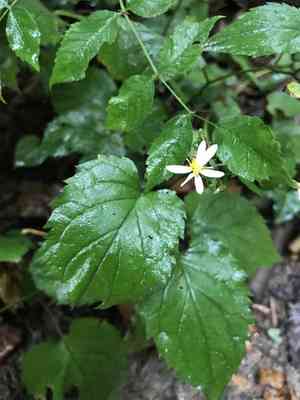
Regarding garden aesthetics, White wood aster presents a unique allure that is hard to rival. Its delicate white blossoms offer a soft, calming visual appeal, fitting well in diverse garden settings. Each flower adds a touch of grace, embodying a timeless beauty that complements various landscape designs. Beyond its visual impact, White wood aster provides dynamic texture and contrast against other greenery, adding depth to your garden.
Flexibility in garden planning
White wood aster is highly adaptable in garden design, making it a valuable addition to any landscape. Whether you aim for a naturalistic woodland garden or a more structured formal garden, White wood aster integrates seamlessly. Its ability to thrive in multiple environments means you can plant it alongside other flora without compatibility concerns. This versatility extends to its growth habits, suiting both small, intimate garden spaces and larger, expansive landscapes.
Optimal Placement of White wood aster in Your Garden
Improving shaded areas
One of the best uses for White wood aster in landscaping is enhancing shaded areas. Many plants struggle in low light, but White wood aster thrives in shade, making it an excellent solution for tricky under-canopy spots. Planting White wood aster beneath trees or along shaded borders can brighten these areas, bringing life to neglected garden parts. This creates a harmonious and balanced atmosphere, showcasing your garden's full potential.
Crafting attractive borders and paths
Another excellent way to use White wood aster is by creating attractive borders and pathways. The plant's spreading nature allows it to form lush clusters that naturally define different garden areas. Whether outlining a walkway or marking a garden bed's edge, White wood aster adds a polished and thoughtful touch. It forms a flowing, continuous line that guides the eye and foot, enhancing the overall design without constant upkeep.
Companion plants for White wood aster
When planning your landscape, consider pairing White wood aster with complementary plants to enrich your garden's biodiversity and visual appeal. Ideal companions include ferns, hostas, and other shade-loving perennials. These plants share similar growing conditions and create a harmonious garden display. Mixing different textures and heights results in a more engaging and layered garden design, making every stroll through your garden a delightful experience.
Advantages of Incorporating White wood aster in Landscape Designs
Low maintenance and sustainability
A key benefit of including White wood aster in your landscape design is its minimal maintenance needs. Once established, it requires little watering and care, perfect for those desiring a beautiful garden without constant upkeep. Its ability to thrive in various soil conditions reduces the need for regular amendments or fertilizers, leading to more sustainable gardening. This resilience helps conserve resources and supports environmental sustainability.
Attracting local wildlife
Adding White wood aster to your garden can also boost the natural ecosystem by attracting wildlife. Its flowers are a vital nectar source for butterflies and bees, promoting pollination and contributing to a healthier garden. Furthermore, White wood aster can provide shelter for small insects and ground-dwelling creatures, making your garden a vibrant, living space teeming with natural activity. Encouraging wildlife benefits your plants and supports local biodiversity.
Year-round visual appeal
White wood aster offers year-round visual interest, making your garden appealing in every season. While its main bloom period is late summer, its foliage remains attractive throughout the year. In spring and summer, it provides lush green leaves, while in autumn, the leaves can develop subtle, attractive color changes. Even in winter, White wood aster's seed heads and structural form add elegance to the garden, ensuring there's always something beautiful to observe.
Landscape Design Concepts Featuring White wood aster
Rock garden applications
White wood aster can be a stunning addition to rock gardens, where its delicate blooms beautifully contrast with rugged rock elements. The plant's ability to thrive in less fertile soil, typical of rock gardens, makes it an ideal choice. Its spreading habit can soften the harsh lines of rocks, creating a more natural and cohesive look. Additionally, its light-colored flowers can brighten rocky areas, making them stand out even more.
Water feature enhancements
For water feature enthusiasts, White wood aster can significantly boost the appeal of ponds, fountains, or streams. Planting it around water features creates a tranquil and serene environment. Its white flowers reflect beautifully off the water, adding a calming and harmonious effect. The presence of water also supports White wood aster's moisture-loving nature, ensuring it thrives. This combination can transform a simple water feature into a stunning garden focal point.
Pairing with seasonal blooms
Pairing White wood aster with other seasonal blooms can provide continuous color and interest throughout the year. Combining it with spring bulbs, like daffodils and tulips, creates a visually dynamic display as seasons change. In summer, consider mixing White wood aster with other perennials like coneflowers or echinacea to maintain a lively and colorful garden. This approach extends the blooming period and creates a rich tapestry of colors and textures, enhancing the garden's overall appeal.
Concluding Thoughts on Using White wood aster in Your Garden
Enduring advantages
Incorporating White wood aster into your garden landscape offers numerous enduring advantages. Its low maintenance nature reduces the time and effort needed to keep your garden looking its best. Over the years, White wood aster can help improve soil health, prevent erosion, and foster a more robust and diverse ecosystem in your garden. These long-term benefits make White wood aster a wise investment for any gardener seeking to create a sustainable and visually appealing outdoor space.
Adaptability to diverse garden aesthetics
Finally, White wood aster's adaptability to various garden styles means it fits seamlessly into both traditional and contemporary designs. Whether you're designing a rustic cottage garden, a modern minimalist landscape, or a classic formal garden, White wood aster can enhance the beauty and functionality of your outdoor space. Its versatility ensures that regardless of your garden's theme or layout, White wood aster will always find a place to thrive and add value.



