Enhancing Your Garden Design with the Creeping fig Plant: A Landscaping Guide
1
Ficus pumila may extend up to 3 meters annually, contingent on environmental factors.
2
Perfect for both upright and ground-level garden designs.
3
Ficus pumila is recognized for its resilience to high winds and minor freezes, rendering it adaptable to diverse weather patterns.
Incorporating Creeping fig into Your Garden Layout
Understanding the Growth Habits of Creeping fig
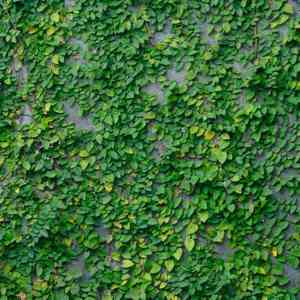
Before exploring the creative potential of Creeping fig in your landscape, it's vital to grasp its growth characteristics. Creeping fig is known for its vigorous development, making it an excellent option for quickly covering large areas. This plant adheres to surfaces like trellises, walls, and fences using small aerial roots, forming thick, green coverage. Its growth rate can be easily managed with consistent trimming, ensuring it doesn't dominate other garden elements. Comprehending this growth pattern helps in making informed decisions about placement and upkeep.
Visual Impact: Enhancing Beauty with Creeping fig
Creeping fig is not only practical; it also offers significant aesthetic appeal. Its small, heart-shaped leaves provide a lush and refined appearance that can transform ordinary structures into vibrant garden features. Whether used to cover a plain wall or as a verdant ground cover, Creeping fig adds a touch of natural elegance to any setting. Its capacity to create a seamless green backdrop allows other plants and garden elements to stand out, improving the overall look of your outdoor space.
Selecting the Optimal Location for Creeping fig in Your Landscape
Choosing the correct spot for Creeping fig in your garden is crucial for its success and your satisfaction. Consider placing it in areas where it can climb or spread without harming delicate structures. Walls, fences, and large tree trunks are ideal surfaces for Creeping fig to display its climbing prowess. Additionally, ensure the chosen site receives adequate lightâwhile Creeping fig can tolerate shade, it thrives best in bright, indirect sunlight. Proper positioning will ensure robust growth and visual harmony in your landscape.
Innovative Uses of Creeping fig in Outdoor Areas
Crafting Natural Privacy Screens with Creeping fig
Natural privacy screens are a desired feature in many gardens, and Creeping fig excels in this role. Its dense foliage creates a living barrier that can shield your outdoor spaces from unwanted views, fostering a peaceful and private environment. Plant Creeping fig along fences, pergolas, or establish a freestanding structure for it to ascend, and observe as it rapidly fills in, providing both privacy and visual appeal in one green sweep.
Creeping fig as a Ground Cover: Advantages and Disadvantages
Creeping fig can also serve as an effective ground cover, suppressing weeds and adding rich greenery to your garden floor. Its ability to spread quickly over the ground is beneficial for covering bare soil and preventing erosion. However, it's important to consider the maintenance aspect, as Creeping fig's vigorous growth can sometimes lead to it encroaching on other plants. Regular trimming and monitoring can keep its growth in check, allowing you to enjoy its benefits without the drawbacks.
Creative Concepts for Integrating Creeping fig into Patio Designs
Patios offer a perfect canvas for the imaginative use of Creeping fig. Envision pillars wrapped in vibrant green, or walls and trellises adorned with beautiful foliage, adding texture and life to your hardscapes. You can also utilize Creeping fig to create shaded pergolas, adding a serene canopy overhead that enhances the patio's atmosphere. With minimal upkeep, Creeping fig can transform plain patio designs into enchanting outdoor living spaces.
Maintenance Advice for Creeping fig in Landscaping
Seasonal Care Requirements for Creeping fig
Like any plant, Creeping fig has specific seasonal care needs. During spring and summer, focus on encouraging growth with consistent watering and occasional fertilization. Pruning during these seasons helps manage its rapid expansion. In autumn and winter, reduce watering and allow the plant to rest, as it enters a more dormant phase. Being mindful of these requirements ensures that Creeping fig remains healthy and vibrant throughout the year.
Managing Growth: Keeping Creeping fig Under Control
Creeping fig's enthusiastic growth can be both a benefit and a challenge. To keep it contained, regular pruning is essential, especially during the growing seasons. Trim the plant back to its desired shape and remove any offshoots that grow in undesirable areas. By staying proactive with your pruning schedule, you can enjoy the advantages of Creeping fig without letting it overtake your garden.
Common Issues and Solutions with Creeping fig
While generally robust, Creeping fig can encounter some problems such as pest infestations, overspreading, or root damage to certain structures. To address pests, routine inspection and natural remedies or insecticidal soaps can be effective. To prevent overspreading, strategic pruning and potentially installing physical barriers can help. Additionally, be cautious when planting near structures that might be compromised by its strong rooting system. Awareness and timely intervention are crucial for managing these challenges.
The Environmental Advantages of Adding Creeping fig to Your Garden
Exploring Creeping fig's Role in Ecosystems
Creeping fig offers numerous environmental benefits, playing a significant role in your garden's ecosystem. Its dense foliage provides habitat for various insects and birds, promoting biodiversity. The plant also aids in reducing soil erosion thanks to its extensive root system which stabilizes the soil.
Contribution of Creeping fig to Local Biodiversity
By integrating Creeping fig into your garden, you encourage local biodiversity. The plant's foliage provides shelter and food for native wildlife, enhancing the ecological balance of your garden. This contribution supports the overall health of your local environment, making Creeping fig a valuable addition for environmentally-conscious gardeners.



