Enhancing Your Garden Design with the Weeping forsythia Plant: A Landscaping Guide
1
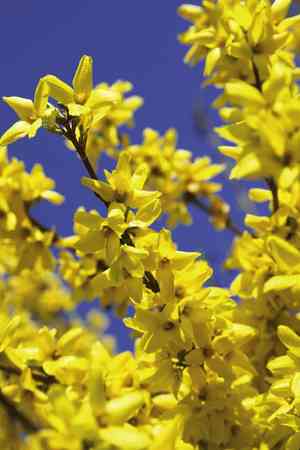
Weeping forsythia enhances aesthetics through its vivid flowers and distinctive form.
2
This plant requires minimal upkeep, perfect for gardeners with limited time.
3
Weeping forsythia offers continuous appeal with its changing seasonal hues.
Why Select Weeping Forsythia for Your Landscape Design?
Boosting Beauty: The Visual Allure of Weeping Forsythia
To elevate your garden's aesthetic appeal, Weeping Forsythia offers unmatched visual pleasure. Its flowing branches, adorned with vibrant blooms, can transform any outdoor area into a picturesque vista. The distinct weeping form of Weeping Forsythia introduces a dynamic, graceful element to your garden, making it a captivating focal point. Whether positioned as a solitary feature or integrated into a larger arrangement, Weeping Forsythia can generate visual intrigue and enhance your landscape's overall charm.
Seasonal Color Shifts and Appeal
A key advantage of Weeping Forsythia is its capacity to display a range of colors throughout the year. In spring, Weeping Forsythia erupts with an abundance of yellow flowers, marking the start of the growing period. As spring transitions to summer, its rich green leaves offer a soothing contrast to the bright blossoms. By autumn, the foliage may adopt various warm hues, adding another layer of depth to your garden's palette. This seasonal evolution ensures Weeping Forsythia consistently contributes to your landscape's visual charm, regardless of the season.
Effortless Upkeep and Robustness
For gardeners desiring plants that are both attractive and simple to maintain, Weeping Forsythia is an excellent option. It is highly resilient and can flourish in diverse soil types and conditions, making it a versatile addition to any garden. Weeping Forsythia requires minimal trimming, which lessens the burden on busy gardeners. Furthermore, it resists many common pests and diseases, allowing you to enjoy its beauty without extensive care. With its sturdy nature and low maintenance needs, Weeping Forsythia is ideal for both new and experienced gardeners aiming to create a stunning landscape with minimal effort.
Integrating Weeping Forsythia into Your Garden Themes
Traditional & Cottage Gardens: A Perfect Match
Weeping Forsythia seamlessly fits into traditional and cottage garden themes with its classic charm and rustic appeal. Its elegant, arching branches and profuse spring blooms complement the informal, cozy atmosphere typical of cottage gardens. Combine Weeping Forsythia with other classic plants like roses, delphiniums, and lavender to cultivate a lush, romantic setting. The natural, unconstrained growth habit of Weeping Forsythia makes it an excellent plant for filling larger spaces and providing a soft, inviting touch to these garden designs.
Contemporary Landscapes: How Weeping Forsythia Can Integrate
Do not let its traditional origins deceive you; Weeping Forsythia can also find a place in modern garden landscapes. Its sculptural shape and bright foliage introduce a touch of nature to sleek, contemporary designs. Utilize Weeping Forsythia as a focal point against a backdrop of minimalist stone or metal to create a striking contrast. Its adaptability to various planting styles means Weeping Forsythia can be pruned into clean lines or allowed to grow naturally, offering flexibility for diverse modern aesthetic approaches. Pair it with geometric planters and monochromatic elements for a chic, updated look.
Innovative Placement Ideas for Weeping Forsythia in Your Yard
Front Yard Highlight: Crafting Inviting Views
Your front yard presents the initial impression visitors form of your home, and Weeping Forsythia can make that impression unforgettable. Employ Weeping Forsythia to frame entrances or border pathways, creating a vibrant and welcoming vista. The plant's cascading branches can soften hardscaping and add a touch of warmth to your front garden. Consider positioning Weeping Forsythia near your doorstep or driveway to draw attention and establish a focal point that accentuates your home's entry.
Backyard Integration: Seclusion and Beauty
In the backyard, Weeping Forsythia can serve dual purposes by offering both aesthetic appeal and privacy. Planting Weeping Forsythia along your backyard's perimeter can form a natural, flowering privacy screen that shields your space from neighbors while adding a splash of color. It can also be used to delineate different sections of your yard, creating distinct outdoor areas for relaxation, dining, and recreation. The plant's dense foliage during active growth provides an effective visual barrier, transforming your backyard into a more intimate and secluded sanctuary.
Corner Planting: Optimizing Small Areas
For gardens with limited space, Weeping Forsythia can be the ideal solution to maximize and beautify your corners. Its weeping growth habit allows it to fill corners without overwhelming them, making it perfect for small gardens or urban environments. Placing Weeping Forsythia in a corner can soften the sharp angles of fences or walls and create a more inviting and cohesive appearance. This placement can also help to draw attention to your garden's edges, making the entire space feel more expansive and thoughtfully designed.
Year-Round Interest: Maximizing Weeping Forsythia's Appeal
Spring Blooms: A Burst of Color
Spring is arguably the most spectacular season for Weeping Forsythia. During this period, the plant is covered in bright yellow blossoms that infuse your garden with vibrant color. These cheerful flowers are often among the first indicators of spring, signaling winter's end and the start of the growing season. The lively display can uplift any garden scene, making spring a particularly delightful time to introduce Weeping Forsythia into your landscape.
Summer and Fall: Enduring Charm
As spring blooms fade into summer, Weeping Forsythia maintains its allure with lush green foliage that provides a verdant, calming backdrop. In autumn, the leaves of Weeping Forsythia may transition to shades of yellow and orange, adding a new dimension of warm, seasonal interest to your garden. This extended period of appeal ensures that Weeping Forsythia continues to contribute to your outdoor space's beauty, even as the seasons change. Whether you're hosting summer gatherings or enjoying the crisp fall air, Weeping Forsythia offers a continuous visual delight.
Winter Presence: Adding Structure and Texture
Even in winter, Weeping Forsythia manages to make an impression. Though its leaves may drop, the plant's distinctive weeping form adds unique structure to the winter landscape. Its bare branches can create beautiful, organic shapes that stand out against the starker, dormant winter backdrop. This structural interest can provide texture and form, ensuring your garden remains visually engaging throughout the year. Pairing Weeping Forsythia with evergreen plants can further enhance this winter appeal, offering a balanced and textured garden that looks good every month.



