Enhancing Your Garden Design with the Indian blanket Plant: A Landscaping Guide
1
Gaillardia pulchella flourishes in ample sunlight and soil that drains effectively, making it perfect for bright areas in your yard.
2
Integrating Indian blanket with various perennial and annual plants can result in beautiful and harmonious garden layouts.
3
This plant tolerates dry conditions and requires minimal upkeep, suiting both new and seasoned gardeners.
Introducing Indian Blanket in Landscape Design
Overview of Indian blanket's visual appeal and characteristics
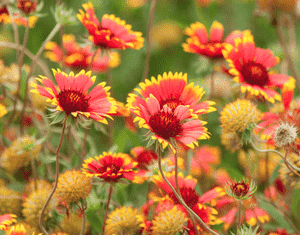
A truly captivating and visually appealing plant, Indian blanket brings vivid color and texture to any garden. Its daisy-like blossoms, in shades of red, orange, and yellow, evoke the feeling of a bright, joyful summer day. These stunning flowers not only grab attention but also infuse garden areas with dynamic energy and vibrancy. Such aesthetic charm makes Indian blanket a favorite for gardeners aiming to inject color and cheer into their outdoor spaces.
General advantages of incorporating Indian blanket into garden plans
Adding Indian blanket to your garden scheme offers numerous advantages. Firstly, it's renowned for its resilience and minimal upkeep, making it an effortless addition to both new and established gardens. Secondly, Indian blanket attracts pollinators such as bees and butterflies, boosting your garden's biodiversity. Furthermore, its extended blooming period ensures your garden remains lively and colorful throughout the growing season. Its drought tolerance and adaptability to various soil types further enhance its versatility and appeal.
Optimal Placement for Indian Blanket to Maximize Impact
Selecting ideal locations within your garden
Choosing the correct spot for Indian blanket is vital to fully benefit from it. Ideally, position Indian blanket in areas receiving full sun, as this is crucial for its development and flowering. Consider garden border edges, in front of shrubs, or along garden paths where its striking flowers can be easily seen and enjoyed. Avoid overly shaded or waterlogged areas, as these conditions are not favorable for its growth. By placing Indian blanket in prime locations, you ensure it enhances your garden's visual charm.
Understanding sunlight requirements
Grasping sun exposure needs is fundamental for Indian blanket to flourish. This plant thrives best in full sun, meaning it needs at least six hours of direct sunlight daily. Planting Indian blanket in shaded or partially shaded spots can significantly reduce the number of blooms and the plant's overall health. Therefore, choosing sunny locations will help ensure vigorous growth and bright, abundant flowers. Proper sun exposure also aids in disease prevention and promotes stronger, more resilient plants.
Harmonizing with other plants for a unified look
Coordinating Indian blanket with other plants can result in a cohesive and visually pleasing garden design. Consider pairing Indian blanket with other sun-loving perennials like lavender, salvia, and coreopsis, which complement its vibrant hues. Additionally, integrating grasses and other foliage plants can add texture and contrast, enhancing the overall landscape. Strategic placement and thoughtful combinations will ensure a balanced and unified appearance, making your garden a delight to behold.
Design Concepts Utilizing Indian Blanket
Creating bursts of color in perennial borders
To generate vivid color accents in your perennial borders, integrate Indian blanket with plants offering complementary shades. The bright reds and yellows of Indian blanket contrast beautifully with purples and blues, creating a striking visual effect. Group several Indian blanket plants together to form bold swaths of color that capture the eye and add excitement to your garden borders. This can transform an otherwise ordinary garden into a vibrant and dynamic space.
Incorporating Indian blanket into rock or xeriscape gardens
Consider integrating Indian blanket into rock or xeriscape gardens, where its drought-resistant nature truly shines. Indian blanket can thrive in these low-water environments, complementing the rugged beauty of rock formations and other drought-tolerant plants. Its colorful blooms provide a striking contrast against rocks and gravel, creating a visually interesting and sustainable garden. This combination not only conserves water but also ensures a landscape that remains vibrant even in arid conditions.
Using Indian blanket in container arrangements
For those with limited garden space, incorporating Indian blanket into container gardening offers a flexible and attractive solution. Plant Indian blanket in large pots or mixed containers, where its colorful blooms can stand out on patios, balconies, or entryways. Ensure containers have adequate drainage and are placed in sunny spots to maximize growth. Container gardening with Indian blanket allows for easy relocation and rearrangement of plants, providing versatility and continuous beauty.
Seasonal Considerations for Indian Blanket
Optimal planting times for best growth
The ideal time to plant Indian blanket is during spring or early summer when the risk of frost has passed and the soil has warmed. Planting during this period allows Indian blanket to establish its root system and flourish throughout the growing season. Alternatively, early fall is also suitable in milder climates, provided the plant has sufficient time to establish before the first frost. Choosing the right planting time ensures vigorous growth and extended blooming.
Preparations for various seasons
To prepare Indian blanket for different seasons, it's crucial to understand its year-round requirements. In spring, enrich the soil with compost and water regularly to encourage flowering. During summer, maintain consistent moisture levels but avoid overwatering. Deadhead spent flowers to promote continuous blooming. In fall, cut back the plant to encourage healthy growth for the next season. Mulching in winter can protect the roots in colder climates. These seasonal preparations help Indian blanket maintain its beauty and vitality.
Complementing Indian Blanket with Other Garden Elements
Integrating hardscape features
Integrating Indian blanket with hardscaping elements like pathways, stone walls, and patios can significantly enhance your garden's overall aesthetic. The vibrant blooms of Indian blanket contrast beautifully with the neutral colors and textures of hardscaping materials. Consider bordering pathways with Indian blanket or planting it near retaining walls to soften and brighten the hardscape features. This combination of soft and hard elements creates a balanced and inviting outdoor space.
Selecting furnishings and decor that enhance Indian blanket's hues
Choosing the right garden furnishings and decor can further accentuate the vibrant colors of Indian blanket. Opt for outdoor furniture and accessories in neutral tones or complementary colors that allow Indian blanket's blooms to stand out. Consider adding colorful cushions, pots, or garden art that echoes the plant's hues. By thoughtfully selecting decor, you can create a cohesive and aesthetically pleasing garden that celebrates the beauty of Indian blanket and enhances your outdoor living space.



