Enhancing Your Garden Design with the Treasure flower Plant: A Landscaping Guide
1
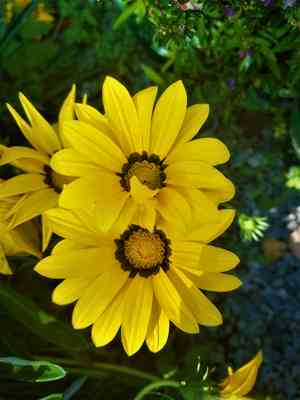
Gazanis are recognized for their bright, daisy-shaped blooms, bringing a splash of color to any outdoor space.
2
Gazanis thrive best in ample sunlight and soil that drains effectively.
3
Incorporating Gazanis alongside other suitable plants can produce striking aesthetic differences in your garden.
Introducing Gazania in Garden Design
Gazania's visual charm and aesthetic qualities
Gazania, with its vivid, daisy-like blossoms, can impart a striking visual appeal to any garden setting. These flowers come in various hues, including yellow, orange, and pink tones, making them adaptable for any garden theme. Their brilliant colors can transform a simple garden into a lively, captivating sanctuary. Beyond their colors, the form and texture of Gazania flowers also add distinct aesthetic dimensions, especially when contrasted with leafy plants.
Gazania's contribution to creating lively garden scenes
Gazania plays a vital role in establishing dynamic and vibrant garden scenes. Their continuous blooming throughout the growing season ensures your garden remains colorful and inviting for extended periods. Incorporating Gazania into your landscaping can help create focal points that attract the eye and provide structure to your garden layout. These flowers can be used to line paths, fill empty spaces in flower beds, or stand alone as attractions in garden plots.
Selecting the Ideal Location for Gazania
Evaluating sun exposure for optimal growth
For Gazania to flourish, it's essential to plant them in a location that receives full sun. These flowers adore sunlight, and prolonged exposure to direct sun ensures they bloom to their fullest potential. When choosing a spot, consider areas in your garden not shaded by trees or structures. By ensuring they get at least six to eight hours of daily sunlight, you'll enjoy their vibrant blooms all season long.
Understanding Gazania's soil requirements
For peak growth, Gazania prefers well-drained soil, making it crucial to avoid areas prone to waterlogging. These plants thrive in sandy or loamy soils, which offer superior drainage compared to heavy clay soils. Before planting, it may be beneficial to amend the soil with organic matter to improve its structure and fertility. Regularly checking the soil's pH and nutrient levels can also help maintain a healthy growing environment for Gazania.
The importance of spacing in landscape planning
Proper spacing is crucial in landscape design, not only to ensure each Gazania plant receives adequate resources but also to achieve the desired aesthetic outcome. Plant them approximately 9 to 12 inches apart to allow for sufficient air circulation, reducing disease risk. This spacing also provides room for the plants to spread as they grow, creating a fuller, more lush appearance in your garden. Well-spaced Gazania plants also highlight their individual beauty without overcrowding.
Integrating Gazania with Other Plants
Companion plant suggestions for Gazania
Integrating Gazania with other complementary plants can enhance your garden's visual interest and biodiversity. Consider pairing Gazania with low-growing ground covers like creeping thyme or sedum, which can create a lovely contrast in height and texture. For vibrant color combinations, plant Gazania alongside flowers like marigolds, lantanas, or petunias. These companions not only complement Gazania's color palette but also share similar growing conditions, ensuring a harmonious garden environment.
How to achieve color and texture contrast
Achieving an appealing color and texture contrast with Gazania involves careful planning and plant selection. To create a visually dynamic landscape, combine Gazania with plants that offer different foliage shapes and colors. For example, the broad leaves of hostas can provide a striking contrast to Gazania's delicate petals. Additionally, mixing in grasses like blue fescue can introduce varied textures, creating a multi-dimensional garden that captures attention from every angle.
Maintaining Gazania in Your Landscape
Seasonal considerations for Gazania
Maintaining Gazania throughout the seasons ensures they remain a beautiful part of your landscape year-round. In the growing season, regular deadheading can promote continuous blooming. As cooler weather approaches, consider mulching to protect the roots from frost. In regions with harsh winters, Gazania might need additional protection or indoor overwintering. Monitoring weather conditions and adjusting care routines accordingly can help Gazania flourish despite seasonal changes.
Tips for long-lasting displays
To keep your Gazania displays vibrant for as long as possible, ensure you follow best care practices. Regular watering, especially during dry spells, is crucial. However, avoid overwatering, as Gazania is susceptible to root rot in waterlogged soils. Feeding the plants with a balanced, slow-release fertilizer can also support healthy growth. Pruning spent flowers and damaged foliage keeps the plants looking tidy and encourages new blooms, promoting a longer flowering period.
Design Strategies Using Gazania
Effective placement styles for aesthetic appeal
Effective placement of Gazania in your garden can significantly enhance its aesthetic appeal. Consider using them as border plants along pathways or garden edges where their bright blooms can be easily admired. Planting Gazania in clusters can create visually striking patches of color that draw attention and provide a cohesive look. You can also incorporate them into container gardens to add a splash of color to patios, balconies, or rooftop gardens.
Using Gazania as focal points or background plants
Gazania can be used creatively in various roles within your garden design. As focal points, their vibrant flowers can be the centerpiece in flower beds or mixed borders, particularly when surrounded by plants with green or silver foliage that highlight Gazania's vivid colors. Alternatively, Gazania can serve as background plants in larger garden schemes, providing a colorful backdrop for taller or feature plants. This versatility makes Gazania a valuable addition to any garden layout.



