Enhancing Your Garden Design with the Carolina jasmine Plant: A Landscaping Guide
1
Carolina jasmine flourishes optimally in locations receiving ample to moderate sunlight.
2
Adequate soil conditioning promotes robust development of Carolina jasmine.
3
Incorporating Carolina jasmine can notably draw beneficial insects to your outdoor space.
Introducing Carolina Jasmine to Your Landscape
Overview of Carolina jasmine's ornamental appeal
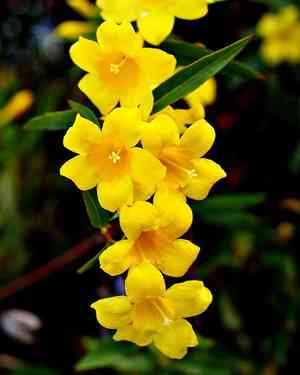
Carolina jasmine is celebrated for its delightful scent and striking yellow blooms. This evergreen, climbing vine can impart sophistication to any garden. Its vibrant flowers offer a beautiful contrast against green foliage, enhancing your landscape's overall look. Whether adorning trellises, arbors, or fences, Carolina jasmine adds an undeniable charm, making it a favorite for both amateur and professional gardeners.
Carolina jasmine's role in landscape design
In landscape design, Carolina jasmine serves various functions. It can form natural privacy screens, visually appealing vertical elements, and even conceal unattractive structures. Due to its climbing habit, it's ideal for adding height and depth to your garden. Its minimal care requirements further make it an appealing choice for those seeking to add color and structure without extensive garden maintenance.
Selecting the Perfect Spot for Carolina Jasmine
Factors for choosing a planting site
Selecting the appropriate location for Carolina jasmine involves several considerations. First, evaluate the area's exposure to natural elements like sunlight, wind, and rain. Ensure the site has good air circulation to prevent fungal diseases that can affect Carolina jasmine. Additionally, consider your garden's layout and the intended purpose of the Carolina jasmine, whether as a focal point, a climbing cover for structures, or a privacy screen.
Sunlight needs for optimal growth
Carolina jasmine thrives in areas receiving full to partial sunlight. While it can endure some shade, excessive shade can impede its blooming potential and weaken its growth. Ideally, choose a planting site that gets at least six hours of direct sunlight daily. This ensures the plant remains healthy and produces an abundance of its characteristic yellow flowers.
Understanding soil preferences for Carolina jasmine
Soil conditions significantly impact the successful growth of Carolina jasmine. It prefers well-drained, fertile soil with a slightly acidic to neutral pH. Improve soil quality by incorporating organic compost, which will supply nutrients and enhance drainage. Avoid overly dense or clay-based soils, as poor drainage can lead to root rot, negatively affecting the plant's health.
Integrating Carolina Jasmine into Your Garden
Plant combinations for a colorful landscape
To create a visually engaging landscape, consider pairing Carolina jasmine with plants that complement its vivid yellow flowers. Combine it with purple or red flowering shrubs for a striking contrast, or with lush, green foliage plants for a serene, balanced appearance. Experiment with seasonal flowers that bloom at different times to ensure your garden remains colorful year-round, making Carolina jasmine part of a dynamic and evolving landscape.
Using Carolina jasmine for height and structure
One of Carolina jasmine's best qualities is its ability to climb and provide vertical interest in the garden. Train it to grow on arbors, trellises, or against fences to add height and depth. This not only enhances your garden's architectural appeal but also maximizes vertical space. You can create beautiful garden 'walls' and overhangs that serve both aesthetic and practical purposes, such as providing shade and privacy.
Caring for Carolina Jasmine in Your Landscape
Basic upkeep and grooming advice
Carolina jasmine is relatively low maintenance, but consistent care will keep it looking its best. Prune it in late winter or early spring to remove dead or damaged growth and encourage vigorous new growth. Water it moderately, ensuring the soil stays moist, but not waterlogged. Mulching around the base can help retain moisture and suppress weeds, making it easier to maintain a tidy and healthy garden.
Seasonal care considerations
Different seasons require specific care routines for Carolina jasmine. During the growing season, typically spring and summer, ensure the plant receives sufficient water and occasional feeding with a balanced fertilizer. In fall, slightly reduce watering to prepare the plant for dormancy. Protection from severe winter frost might be necessary in colder climates, such as adding a layer of mulch or covering the plant.
Ecological Benefits of Planting Carolina Jasmine
Contribution to local biodiversity
Planting Carolina jasmine can significantly enhance local biodiversity. It offers habitat and food for various insects and animals, fostering a healthy and balanced ecosystem. By adding Carolina jasmine to your garden, you create a small but vital sanctuary for local wildlife, encouraging a rich diversity of flora and fauna.
Supports local wildlife and pollinators
Carolina jasmine is a valuable resource for pollinators like bees, butterflies, and hummingbirds, which are essential for our environment's health. The nectar-rich flowers of Carolina jasmine attract these pollinators, facilitating their survival and aiding in the fertilization of other plants. By incorporating Carolina jasmine into your garden, you support the continued presence of these crucial creatures.



