Enhancing Your Garden Design with the Baby's breath Plant: A Landscaping Guide
1
Gypsophila is a adaptable plant suitable for diverse garden designs, ranging from classic to contemporary settings.
2
To achieve the best development, Gypsophila ought to be sown in the initial spring period.
3
Consistent trimming assists in preserving the vitality and look of Gypsophila within your outdoor space.
Introducing Gypsophila in Garden Design
Understanding the visual appeal of Gypsophila
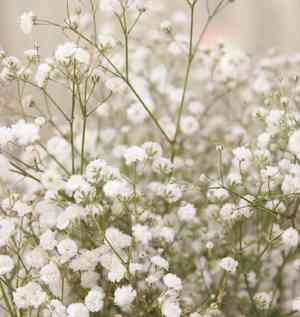
Gypsophila is cherished for its delicate, airy appearance, often providing a soft background for more vibrant flowers. Its tiny, cloud-like blossoms create an ethereal beauty that can transform any garden into a dreamlike setting. The plantâs subtle elegance makes it a popular choice for gardeners aiming to add sophistication without overwhelming their space's visual harmony.
The popularity of Gypsophila in contemporary gardens
In recent years, Gypsophila has become incredibly popular in modern garden designs. Its adaptability allows it to integrate seamlessly with various themes, be it rustic, contemporary, or minimalist. Gardeners and landscape designers value Gypsophila for its versatility and how easily it complements a wide array of other plants, adding both structure and beauty to garden arrangements.
Integrating Gypsophila into Various Garden Styles
Ideal pairings: Which plants complement Gypsophila?
To truly make Gypsophila shine in your garden, consider pairing it with plants that contrast or highlight its delicate blooms. Roses, peonies, and hydrangeas are excellent companions, as their bold and colorful flowers offer a striking contrast to the soft, white blossoms of Gypsophila. Additionally, combining Gypsophila with herbs like lavender and sage can create a charming cottage garden aesthetic.
Maximizing visual impact in minimalist designs
In minimalist garden designs, Gypsophila can serve as a key element due to its subtle yet impactful presence. Planting Gypsophila in monochromatic garden beds, or using it as a border plant, can embody the minimalist philosophy of 'less is more.' Its understated elegance allows other structural elements, such as sculptures or water features, to stand out while maintaining an overall cohesive and serene environment.
Traditional garden styles and Gypsophila: A timeless selection
For traditional garden styles, Gypsophila is a timeless addition that beautifully complements classic design elements. Whether featured in formal garden beds or used to create a naturalistic meadow effect, its gentle and abundant blooms add a layer of charm that resonates with the enduring appeal of traditional gardens. The understated beauty of Gypsophila effortlessly bridges various traditional planting schemes.
Seasonal Considerations for Gypsophila
Optimal planting times for best Gypsophila growth
The best time to plant Gypsophila is early spring, ensuring the soil has warmed sufficiently to support new growth. Planting during this period allows the roots to establish before the summer heat arrives. By providing Gypsophila with ample sunlight and well-drained soil, youâll set the foundation for a thriving and vibrant plant display.
Managing Gypsophila in diverse climates
Gypsophila is quite adaptable but thrives best in temperate climates. In warmer regions, itâs crucial to provide some afternoon shade to shield the plant from intense heat. Conversely, in cooler climates, ensure Gypsophila is planted in a location that receives maximum sunlight throughout the day. Mulching can help regulate soil temperature and retain moisture, offering additional protection against climatic extremes.
Maintenance Advice for Gypsophila
Basic care for enduring beauty
To keep Gypsophila looking its best, consistent watering is essential, especially during dry periods. While itâs drought-tolerant once established, regular moisture will result in more lush and vibrant blooms. Applying a balanced fertilizer in the early growing season can also support its health and longevity. Remove spent flowers to encourage continuous blooming and prevent self-seeding.
Pruning and grooming methods for healthier plants
Pruning is vital for maintaining the shape and health of Gypsophila. Trim back overgrown stems and remove dead or damaged foliage to promote air circulation and reduce disease risk. Pruning after the initial bloom can also encourage a second flush of flowers. By regularly grooming Gypsophila, youâll prevent it from becoming leggy and ensure a bushier, more aesthetically pleasing plant.
Creative Concepts for Gypsophila in Landscape Design
Creating focal points in your garden with Gypsophila
Using Gypsophila to create focal points in your garden can draw the eye and add interest. Consider planting it en masse in a specific area to create a 'cloud-like' effect, or use it to frame a particular feature, such as a garden bench or statue. The key is to use Gypsophila strategically to highlight the areas you wish to emphasize, creating a visually engaging landscape.
Innovative uses for Gypsophila in compact spaces
In small garden spaces, Gypsophila can be a powerful tool for creating a sense of openness and airiness. Use it in container gardens to add height and texture, or plant it along narrow pathways to soften the edges and create a more inviting walk. Its light and airy nature helps to break up the space without making it feel crowded, making it perfect for urban gardens and balconies.



