Enhancing Your Garden Design with the Sneezeweed Plant: A Landscaping Guide
1
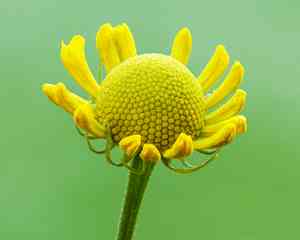
Helenium provides vivid hues, enhancing the aesthetic charm of any garden space.
2
This plant is very versatile, flourishing across diverse environmental conditions.
3
Boasting an extended flowering period, Helenium delivers prolonged stretches of attractiveness.
Why Opt for Sneezeweed in Your Landscape Design?
Diverse Visual Appeal
A key attribute of Sneezeweed is its adaptable visual charm. Its bright, cheerful yellow blossoms can brighten your garden, making it visually striking. Whether aiming for a focal point or a burst of color in existing plantings, Sneezeweed integrates well into various garden styles. Its design flexibility allows for effective pairing with other plants, creating a harmonious and beautiful landscape.
Adaptability Across Climates
Sneezeweed is renowned for its resilience, making it a strong choice for gardeners regardless of their regional climate. It flourishes in diverse soil types and can endure various weather conditions. Whether you experience hot summers or cold winters, this plant can adjust, offering year-round beauty with minimal effort. This adaptability is vital for those seeking a low-maintenance yet attractive garden.
Extended Flowering Period
Gardeners often appreciate plants that provide a prolonged blooming phase, and Sneezeweed delivers. Typically flowering from mid-summer through late autumn, it ensures your garden stays vibrant for an extended duration. This prolonged bloom season not only adds beauty but also aids in maintaining ecological balance by supplying sustenance for pollinators over several months.
Integrating Sneezeweed into Your Garden Layout
Selecting the Optimal Spot
Choosing the perfect location for Sneezeweed in your garden is the initial step toward successful cultivation. They thrive best in areas receiving full to partial sunlight. Ensure the soil drains well to prevent waterlogging, which can harm the plant's health. Consider planting them in borders, flower beds, or even containers, depending on your garden's arrangement and design objectives.
Complementary Planting Ideas
To maximize Sneezeweed's visual impact, consider combining it with plants that complement its bright yellow flowers. Plants with contrasting hues, such as purple coneflowers or blue salvias, work exceptionally well. Furthermore, utilizing plants of varying heights, like ornamental grasses or tall perennials, can create layers of interest and draw attention to your garden's overall design.
Blending Hues and Textures
Varying the colors and textures in your garden can make it more captivating. Sneezeweed offers an excellent chance to experiment with this. Pair it with plants that have different leaf shapes and colors to add depth and diversity. For instance, hostas and ferns can provide a lush green backdrop that highlights Sneezeweed's vibrant blooms. By mixing textures, you can achieve a more dynamic and visually appealing garden.
Seasonal Considerations for Sneezeweed
Ideal Planting Time
Timing your planting is crucial for optimal development. The best time to plant Sneezeweed is in spring or early fall when temperatures are cooler but still allow for root establishment before the first frost. Preparing the soil with compost or organic matter can support robust growth and vitality. Early planting ensures the plant has ample time to settle and prepare for flowering.
Year-Round Upkeep
While Sneezeweed requires relatively little maintenance, a few seasonal care tips can ensure your plant flourishes throughout the year. During the growing season, consistent watering and occasional fertilization will keep the plant healthy. Removing spent flowers can encourage continuous blooming. As winter approaches, cutting back stems and applying a layer of mulch can protect roots from severe cold, setting the stage for vigorous growth in spring.
Environmental Advantages of Adding Sneezeweed to Your Landscape
Attracting Pollinators
A significant ecological benefit of planting Sneezeweed is its capacity to draw in pollinators. The plant's vibrant blossoms are a magnet for bees, butterflies, and other beneficial insects. This not only supports the local ecosystem but also enhances the pollination of other plants in your garden, leading to better yields and a healthier landscape.
Enhancing Biodiversity
Sneezeweed contributes to garden biodiversity, a vital element in maintaining ecological equilibrium. Including this plant in your garden design helps create a habitat for a variety of organisms, from insects to birds. Increased biodiversity can lead to healthier soil, fewer pests, and a more resilient garden ecosystem overall.
Erosion Control and Other Ecological Benefits
Beyond their visual appeal and ecological advantages, Sneezeweed can also assist with erosion control. Their strong root system stabilizes the soil, reducing erosion and runoff. This is particularly beneficial in sloped gardens or areas prone to heavy rainfall. Additionally, by improving soil structure and health, Sneezeweed can contribute to the long-term sustainability of your garden environment.



