Enhancing Your Garden Design with the False sunflower Plant: A Landscaping Guide
1
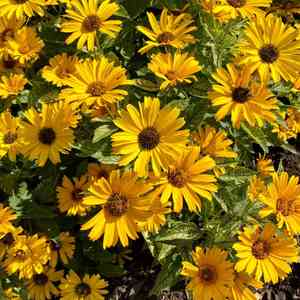
Heliopsis enlivens any garden with its vivid hues and varied textures, proving to be a adaptable selection.
2
Heliopsis can be situated in diverse garden zones, such as borders and central features, to generate visual appeal.
3
Correct distancing and positioning of Heliopsis guarantee optimal development and garden attractiveness.
Introducing False Sunflower in Garden Design
Overview of False Sunflower as a Garden Plant
Selecting the appropriate plant is key to a successful garden layout. False sunflower stands out as an excellent choice for garden enthusiasts. Known for its bright, sun-like blossoms, False sunflower can bring a burst of cheer to any garden. This plant is robust, requires little upkeep, and flourishes in various soil types. Whether you're an experienced gardener or just beginning, False sunflower offers a delightful and straightforward way to enhance your garden's visual appeal.
Advantages of Integrating False Sunflower into Garden Plans
False sunflower offers numerous benefits, making it a superb addition to any garden. For instance, it's remarkably resistant to drought, meaning less watering and greater sustainability. Additionally, False sunflower attracts pollinators such as bees and butterflies, helping to support your local ecosystem. Its extended blooming period ensures your garden stays vibrant from summer through autumn. Overall, incorporating False sunflower into your garden can result in a lush and lively outdoor space with minimal effort.
Design Concepts Utilizing False Sunflower
Creating Color Contrasts with False Sunflower
Color is a crucial element in garden design, and False sunflower offers excellent opportunities for creating striking contrasts. Pair the bright yellow blooms of False sunflower with plants in shades of purple or blue for a visually appealing combination. Consider placing False sunflower next to lavender or salvia; the contrasting hues will make both plants stand out, adding depth and interest to your garden.
Combining False Sunflower with Other Plants for Texture Variation
Texture is another vital component in garden design. The delicate, daisy-like flowers of False sunflower can be used to offset plants with coarser or more substantial foliage. Consider combining False sunflower with ornamental grasses or hostas to create a pleasing textural contrast. The feathery leaves of grasses paired with the robust blooms of False sunflower provide a balanced and harmonious look.
Using False Sunflower in Focal Points and Borders
Focal points and borders are essential features in any garden landscape, and False sunflower can play a significant role in these areas. Use False sunflower as a centerpiece in a garden bed or along the edges to create defined borders. The plant's height and vibrant color will naturally draw the eye, making it a great choice for focal points. Additionally, False sunflower can serve as a living boundary, naturally delineating different sections of your garden.
Placement and Spacing for False Sunflower
Optimal Locations for Planting False Sunflower in Your Garden
Regarding placement, False sunflower thrives best in full sun but can tolerate partial shade. Ideally, you'll want to plant it in areas that receive at least six hours of sunlight per day. Consider planting False sunflower in open garden beds, along walkways, or near garden borders, where it can get plenty of light and bloom to its full potential.
How to Space False Sunflower for Maximum Impact
Proper spacing is crucial for the health and aesthetics of your plants. For False sunflower, it's recommended to space each plant about 18 to 24 inches apart. This allows enough room for air circulation, reducing the risk of disease. It also provides sufficient space for the plants to grow and expand, ensuring your garden remains lush without looking overcrowded.
Seasonal Considerations for False Sunflower
Best Seasons for Planting False Sunflower
Spring and early fall are the ideal times for planting False sunflower. These seasons provide optimal growing conditions like moderate temperatures and enough moisture, giving the plants a good start. Planting in spring allows False sunflower to establish roots before the summer heat, while early fall planting ensures they acclimate before winter.
Managing False Sunflower Throughout Different Seasons
False sunflower is relatively low-maintenance, but understanding its seasonal needs can make a big difference. In the summer, regular watering and occasional deadheading will keep the blooms coming. As fall approaches, reduce watering and allow the plants to prepare for dormancy. Pruning back dead or diseased parts in late fall or early spring helps keep False sunflower healthy for the next growing season. Finally, mulching around the base can protect the roots during harsh winters.



