Enhancing Your Garden Design with the Smooth hydrangea Plant: A Landscaping Guide
1
Smooth hydrangea flourishes across diverse climates, making it a adaptable option for numerous gardeners.
2
The cyclical transformations of Smooth hydrangea provide continuous appeal for your outdoor space.
3
Appropriate care for Smooth hydrangea is crucial to guarantee its vitality and aesthetic.
Exploring the Adaptability of Smooth Hydrangea in Garden Design
Optimal environments for Smooth Hydrangea: Where does it flourish?
A key attractive feature of Smooth Hydrangea is its capacity to adapt to diverse settings. It prospers in moderate climates, benefiting from a mix of sun and shade. This makes it a dependable option for gardeners across various regions. Whether you reside in a humid Southern state or cooler Northern areas, Smooth Hydrangea can acclimate and thrive with appropriate care. Ensure your planting site has well-draining soil and receives balanced sunlight and partial shade to maximize its growth potential.
Seasonal allure: How does Smooth Hydrangea transform throughout the year?
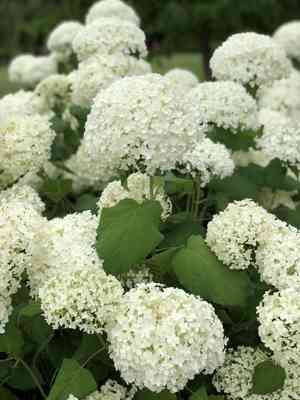
Smooth Hydrangea presents a magnificent display as seasons change. In early summer, it bursts into bloom with large, rounded flower clusters that can persist until late summer. As autumn nears, its leaves shift to delightful yellow hues, enriching your garden's fall palette. Even in winter, the dried flower heads offer structural interest against a snowy backdrop. This continuous exhibition ensures Smooth Hydrangea remains a garden highlight year-round.
Dimensions and area: How much room does Smooth Hydrangea require to thrive?
Smooth Hydrangea is recognized for its manageable dimensions, typically reaching 4-6 feet in both height and width. This makes it an excellent choice for both compact and expansive gardens. When planting, consider its mature size and space each plant appropriately to prevent overcrowding. Proper spacing not only improves air circulation but also helps deter disease spread. Additionally, it guarantees each plant ample room to grow and showcase its full splendor.
Designing with Smooth Hydrangea: Innovative Concepts and Inspiration
Color harmony: Combining Smooth Hydrangea with other flora
Effective garden design hinges on color coordination, and Smooth Hydrangea offers a versatile foundation for this. Its white or pale-colored blooms pair beautifully with vibrant, colorful plants like roses or lavender. Consider using perennials with contrasting shades to create a dynamic visual appeal. Furthermore, integrating plants with varied bloom times ensures your garden is consistently vibrant and full of life.
Creating a focal point: Utilizing Smooth Hydrangea as a central feature
Smooth Hydrangea serves as an excellent centerpiece in garden beds or as a standalone element. Its large, striking flower heads attract attention and can act as the focal point around which other plants are arranged. To enhance this effect, consider planting Smooth Hydrangea in a prominent spot, such as the center of a circular bed or at the end of a pathway. This strategic placement not only highlights its beauty but also adds structure and definition to your landscape.
Borders and edges: Effective applications for Smooth Hydrangea
Smooth Hydrangea can be effectively used as a border or edge plant. Its lush, green foliage and attractive blooms create a natural boundary that can define different sections of your garden. When planted in rows, Smooth Hydrangea forms a dense hedge, providing privacy and a touch of elegance. Additionally, combining it with lower-growing plants can create a layered effect, adding depth and visual interest to your garden's perimeters.
Care Guidelines for Smooth Hydrangea in Your Garden
Pruning essentials: Best practices for a healthy Smooth Hydrangea
Pruning is vital for maintaining the health and appearance of Smooth Hydrangea. The ideal time to prune is in late winter or early spring, just before new growth emerges. Remove any dead or damaged branches and thin out the interior to allow light and air to reach the plant's inner parts. This not only encourages healthy growth but also promotes more abundant blooms. Remember to use clean, sharp pruning tools for precise cuts and to minimize disease risk.
Pest management: Keeping your Smooth Hydrangea thriving and healthy
While Smooth Hydrangea is relatively pest-resistant, it can occasionally be affected by aphids, spider mites, or mildew. Regularly inspect your plants and remove any pests manually or with a gentle water spray. For more severe infestations, consider using organic insecticides or neem oil. Maintaining good air circulation and avoiding overhead watering can also help prevent fungal issues.
Watering requirements: Ensuring adequate hydration for Smooth Hydrangea
Smooth Hydrangea needs consistent moisture to flourish, especially during its flowering period. Water deeply and regularly, ensuring the soil is moist but not waterlogged. Mulching around the plant's base can help retain moisture and keep roots cool. During dry spells, increase watering frequency to prevent plant stress. Always water early in the day to allow foliage to dry before nightfall, reducing disease risk.
Seasonal Care for Smooth Hydrangea: Preparing for Environmental Shifts
Winter preparations: How to safeguard Smooth Hydrangea from cold
Preparing Smooth Hydrangea for winter involves a few simple steps to ensure its survival through cold months. Apply a thick layer of mulch around the base to protect roots from freezing temperatures. In regions with harsh winters, consider covering the plant with burlap to shield it from wind and frost. Avoid pruning late in the fall, as this can stimulate new growth that may not withstand winter weather.
Spring revitalization: Steps to rejuvenate Smooth Hydrangea after winter
Come spring, it's time to revitalize Smooth Hydrangea to encourage vigorous growth. Remove any winter mulch and clear debris around the plant. Prune away any dead branches and apply a balanced fertilizer to provide essential nutrients. As the weather warms, monitor moisture levels and adjust your watering schedule accordingly to support new growth.
Summer care: Managing sun exposure and heat
During summer, Smooth Hydrangea requires protection from excessive heat and sun exposure. Ensure it receives partial shade during the hottest part of the day. Keep the soil consistently moist and apply mulch to help retain moisture. If the plant shows signs of stress, such as wilting or browning leaves, increase watering frequency and consider providing temporary shade during extreme heatwaves.



