Enhancing Your Garden Design with the Orpine Plant: A Landscaping Guide
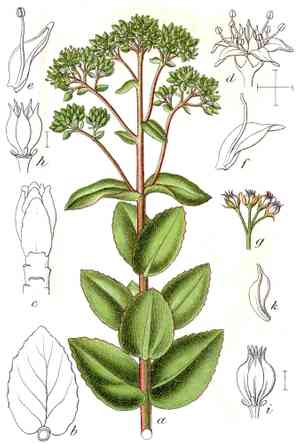
1
Interesting Detail: Orpine is recognized for its lively leaves and noticeable color shifts across seasons.
2
Interesting Detail: Orpine flourishes in diverse soil conditions and needs little upkeep.
3
Interesting Detail: Orpine is easily incorporated into both structured and relaxed garden designs.
Introducing Orpine to Your Landscape
Orpine's Visual Appeal and General Overview
To elevate your garden's visual charm, Orpine is an excellent selection. Admired for its captivating foliage and robust character, this plant offers continuous allure. From its lush green leaves to its vivid seasonal hues, Orpine can truly revitalize any outdoor space. Its rich shades add depth and contrast, making it a favored option for both new and seasoned gardeners.
Orpine's Durability and Adaptability
Orpine stands out due to its strength and flexibility. It flourishes in diverse soil types, from well-drained sandy earth to denser clay, making it a valuable choice for various landscaping endeavors. Its drought-resistant nature means it can endure periods of neglect, which is perfect for busy gardeners or those in arid regions. This versatility ensures Orpine integrates smoothly into numerous landscape designs.
Popular Landscape Styles Featuring Orpine
Orpine can be integrated into a range of landscape themes. Whether you're aiming for a modern, structured European garden or a more relaxed, informal cottage garden, Orpine can align with your vision. Its form and structure are ideal for creating neat, defined borders in formal settings, while its vibrant flower clusters suit the whimsical, unstructured look of informal designs. Regardless of your preferred aesthetic, Orpine can impart elegance and charm to your outdoor area.
Designing with Orpine: Color and Texture
Integrating Orpine into Color Schemes
Incorporating Orpine into your landscape's color palette can create striking visual harmony. With its broad spectrumâfrom vibrant greens and pinks to deeper autumnal redsâOrpine can complement a variety of other plants. For a unified look, pair Orpine with plants that have contrasting yet complementary colors. For instance, combine the rich burgundy tones of Orpine with bright yellows or purples to achieve a dynamic and engaging garden aesthetic.
Leveraging Orpine's Distinctive Textures
Orpine offers more than just color; its unique texture distinguishes it. The fleshy, succulent-like leaves of Orpine provide a rich, tactile element to your garden design. This texture contrasts beautifully with finer, more delicate foliage or soft, airy grasses. By layering different textures within your gardenâsmooth, glossy Orpine leaves against the feathery plumes of ornamental grasses, for exampleâyou can craft an intricate and appealing visual tapestry.
Examples of Effective Texture Pairings
To effectively utilize Orpine's texture, consider pairing it with plants like lavender or Russian sage, both of which possess fine, delicate foliage that complements Orpine's robust, fleshy leaves. Another successful combination involves Orpine with Japanese forest grass for a harmonious blend of thick and thin textures. Experimenting with these pairings can make your garden a feast for the eyes and add an extra layer of intrigue to your landscape design.
Orpine in Various Landscape Styles
Orpine's Suitability for Formal and Informal Gardens
Orpine is adaptable enough to fit both formal and informal garden styles. In formal gardens, its structured growth habit can be used to create neat, defined edges and geometric shapes. Its rounded, clustered blooms can also serve as symmetrical focal points. For informal gardens, allow Orpine to grow more freely among a mix of perennials and grasses, enhancing the relaxed, natural appearance typical of this style. Its ability to blend into any garden layout makes Orpine invaluable in landscape design.
Orpine in Minimalist Landscape Designs
For those who prefer a minimalist approach, Orpine can be a crucial element. Its clean, simple lines and uncluttered growth habit align perfectly with minimalist aesthetics. Use Orpine sparingly to create points of interest without overwhelming the space. Combining Orpine with sleek garden elements like zen pebbles, water features, or modern garden sculptures can highlight its beauty while maintaining a minimalistic vibe.
Creating Focal Points with Orpine in Expansive Layouts
In larger garden areas, Orpine can be used to establish compelling focal points. Position Orpine in central garden beds or at intersections of garden paths to draw the eye and encourage closer inspection. Its eye-catching blooms and striking leaf patterns serve as natural attention-grabbers. For a more dramatic effect, use group plantings of Orpine in varying heights and colors to create depth and dimension in your landscape.
Seasonal Considerations for Orpine
Optimal Planting Times for Orpine
Orpine is best planted in the spring or early fall, allowing the plants time to establish their root systems before facing extreme summer or winter temperatures. Spring planting typically enables Orpine to bloom throughout the growing season, providing a lively display of color. Plant Orpine in well-drained soil and ensure it receives full sun to partial shade for optimal growth.
Managing Orpine's Seasonal Appearance Changes
One of Orpine's appeals is its changing appearance throughout the seasons. In spring, fresh green shoots emerge, developing into vibrant summertime foliage. In fall, expect a dramatic shift as leaves take on richer, deeper hues. Understanding this seasonal rhythm can help you plan your landscape to ensure year-round interest. Combine Orpine with other plants that complement its seasonal changes to maintain visual appeal year-round.
Preparing Orpine for Various Weather Conditions
Preparing Orpine for diverse weather conditions is straightforward, given its hardy nature. In colder climates, a layer of mulch can protect the roots from freezing temperatures. During dry spells, occasional deep watering will support the plant's needs without overdoing it, thanks to its drought-tolerant qualities. With minimal preparation and care, Orpine can thrive and continue to enhance your landscape year after year.



