Enhancing Your Garden Design with the Polka dot plant Plant: A Landscaping Guide
1
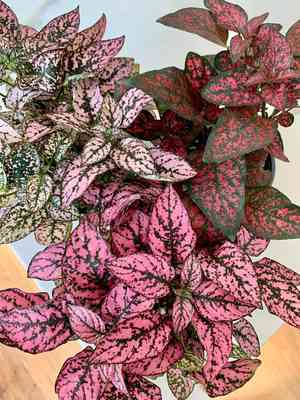
The Polka dot plant is recognized for its vivid designs, making it a prominent feature in any garden.
2
Thoughtful placement of the Polka dot plant can establish striking central points in diverse garden designs.
3
Consistent care guarantees the enduring health and bright appearance of the Polka dot plant all year long.
Grasping the Aesthetic Contribution of Polka dot plant
Features of Polka dot plant that enhance garden beauty
Polka dot plant, with its uniquely spotted foliage, brings a whimsical and colorful element to garden areas. Its distinctive patterns can introduce a lively and playful aspect to garden beds, containers, and borders. Its relatively compact size allows it to integrate seamlessly into various landscape designs without overpowering other elements.
Color and texture contributions of Polka dot plant to outdoor spaces
Polka dot plant is particularly valued for its vivid leaves, often displaying shades of pink, white, or red against green. This colorful presentation can significantly brighten shaded spots and generate visual appeal. Furthermore, the plantâs texture, with its slightly rough leaves, adds another layer of depth and dimension to garden arrangements, contrasting beautifully with smoother-leaved plants.
Seasonal changes and their visual effects
Polka dot plant generally maintains its vibrancy throughout the year, though some color variations may occur depending on the season and local climate. In cooler months, the intensity of the plant's colors might increase, providing a burst of brightness when other plants are dormant. Understanding these seasonal shifts aids gardeners in planning for a consistently attractive landscape.
Strategic Placement of Polka dot plant in Garden Designs
Optimal locations for Polka dot plant for best growth
For peak growth, position Polka dot plant in spots receiving indirect or filtered sunlight. Excessive direct sun can bleach its colorful leaves, while insufficient light can dull them. Ideally, consider planting it in shaded borders, beneath taller plants, or in semi-shaded containers to achieve balanced light exposure.
Creating visual highlights with Polka dot plant in your garden
To establish striking focal points, consider grouping Polka dot plant in prominent garden zones or contrasting it with darker foliage plants. Utilizing Polka dot plant in mass plantings, as edging along pathways, or around garden ponds can draw the eye and enhance garden depth, making it an effective tool for landscape designers.
Companion plants that complement Polka dot plant well
Polka dot plant pairs wonderfully with a variety of plants. Hostas, ferns, and impatiens, which thrive in similar light conditions, make excellent companions. The contrasting foliage of these plants with the speckled leaves of Polka dot plant can create a harmonious and visually pleasing garden scene.
Care Guidelines for Polka dot plant in Landscapes
Essential maintenance needs to keep Polka dot plant flourishing
Polka dot plant requires relatively little upkeep. Ensure the soil remains consistently moist but well-drained, as waterlogged conditions can lead to root rot. Prune the plant regularly to maintain its form and encourage denser growth. Applying a balanced, water-soluble fertilizer every 4-6 weeks during the growing season can also promote vibrant foliage.
Addressing common issues in Polka dot plant care
Typical challenges include pests such as aphids and spider mites. Inspect the plant regularly and, if necessary, treat infestations with insecticidal soap or neem oil. Yellowing leaves often signal overwatering or poor drainage, so adjusting watering habits and improving soil conditions may be necessary to keep Polka dot plant healthy.
Seasonal care adjustments for continuous vibrancy
Adapt your care routine according to the season. During colder months, reduce watering as the plant's growth slows. In areas prone to frost, consider bringing potted Polka dot plant indoors to shield it from cold damage. Conversely, in peak summer, ensure the plant doesn't dry out by increasing watering frequency and providing shade during the hottest parts of the day.
Creative Design Concepts Using Polka dot plant
Integrating Polka dot plant into contemporary landscaping trends
Incorporate Polka dot plant into modern landscaping trends by using it in minimalist garden designs where its vibrant leaves can stand out against neutral backgrounds. Pairing Polka dot plant with sleek, modern planters and using it as part of a green wall or vertical garden can create a contemporary and stylish outdoor space.
Utilizing Polka dot plant in compact areas and urban gardens
Polka dot plant is ideal for small spaces and urban gardens due to its adaptable size and shade tolerance. Grow it in pots on balconies, use it in window boxes, or integrate it into rooftop gardens. Its vibrant colors can transform small, confined spaces into lush, inviting retreats.
Inventive project ideas that feature Polka dot plant
Get creative with Polka dot plant by using it in whimsical garden projects like fairy gardens or themed planting displays. Its colorful leaves make it an excellent choice for creating garden art or living sculptures. Additionally, consider incorporating Polka dot plant into seasonal displays or holiday themes to keep your landscape ever-evolving and intriguing.



