Enhancing Your Garden Design with the Japanese holly Plant: A Landscaping Guide
1
Ilex crenata is suitable for both structured and unstructured garden designs.
2
Ilex crenata provides year-round aesthetic appeal to your outdoor space.
3
Its low maintenance requirements make Ilex crenata a favored option for beginner gardeners.
Understanding the Growth Habits of Japanese Holly
Discuss the size and form characteristics of Japanese holly.
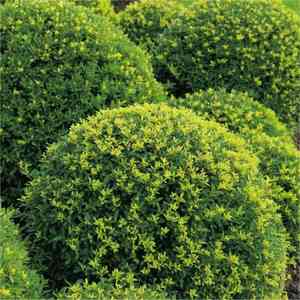
Japanese holly is known for its compact, dense structure, making it a flexible option in garden planning. It typically grows moderately to about 10 to 20 feet tall, with a spread of 5 to 15 feet, depending on the cultivar. Its branches bear small, dark green leaves that maintain a thick, evergreen appearance. This neat habit makes it perfect for areas needing soft, rounded shapes, such as foundation plantings or garden borders. The size and form of Japanese holly not only make it manageable but also ideal for creating distinct lines and dotting landscapes with well-contained greenery.
Explain how the growth pace of Japanese holly influences garden layout.
Japanese holly exhibits a slow to moderate growth rate, allowing gardeners to plan and refine their spaces gradually. Its unhurried pace enables precise pruning, which is crucial in creating and maintaining formal shapes and topiaries. This predictable growth rate also means fewer adjustments and less frequent trimming, making it an excellent choice for low-maintenance landscapes. Gardeners can pair Japanese holly with faster-growing plants, providing a stable backdrop against which dynamic and seasonal changes stand out.
Integrating Japanese Holly in Various Landscape Styles
Highlight the adaptability of Japanese holly in formal and informal settings.
The appeal of Japanese holly lies in its versatility across different landscaping styles. In formal gardens, Japanese holly is often shaped into neat hedges, topiaries, or accent shrubs due to its responsiveness to pruning. Its orderly form brings a sense of structure and balance. Conversely, in informal settings, Japanese holly's natural growth can be left more unconstrained, offering a lush, relaxed green presence that complements wildflower areas or naturalized plantings. The plantâs adaptability means it can smoothly transition between meticulously manicured gardens and more relaxed, countryside aesthetics.
Offer concepts for utilizing Japanese holly in minimalist garden designs.
Minimalist gardens greatly benefit from the inclusion of Japanese holly due to its clean lines and refined presence. Use Japanese holly as solitary specimens to create focal points, or plant them in geometric patterns for a stark, modern look. Its compact size and lack of overwhelming foliage mean it provides texture and greenery without unnecessary clutter. Ideal placements include along pathways, in courtyard gardens, or as subtle accents alongside other minimalist plants like ornamental grasses. This approach ensures beauty through simplicity and controlled elegance.
Seasonal Considerations and Japanese Holly
Discuss the visual appeal of Japanese holly throughout different seasons.
Japanese holly maintains visual interest all year, thanks to its evergreen foliage. During spring, the plant may feature small, inconspicuous white flowers that attract pollinators. In some varieties, fall brings tiny black fruits that add a subtle decorative element, while the deep green leaves contrast beautifully against autumnâs vibrant palette. Even in winter, Japanese holly remains green and lush, offering much-needed color and life during the colder months. This consistent aesthetic value means that Japanese holly supports landscape vitality regardless of the season.
Advice on pairing Japanese holly with other plants for year-round beauty.
To achieve a garden that remains attractive throughout the year, consider pairing Japanese holly with various companion plants. During spring and summer, partner Japanese holly with blooming perennials like hydrangeas or azaleas to enhance vibrancy. Fall calls for integrating ornamental grasses or asters to complement Japanese hollyâs enduring green. In winter, evergreens like boxwoods or hollies alongside Japanese holly can ensure that your garden maintains structure and color. Interspersing Japanese holly with seasonal bloomers allows your garden to evolve dynamically, providing interest every month of the year.
Maintenance Tips for Keeping Japanese Holly Thriving in Landscapes
Provide practical tips for simple care routines for Japanese holly.
Maintaining Japanese holly is straightforward, making it a favorite among both novice and experienced gardeners. Regular pruning in late winter or early spring helps keep its shape and encourages denser growth. Watering should be consistent, especially during dry spells, but ensure the soil is well-draining to avoid waterlogging. Mulching around the base helps retain moisture and suppress weeds. Fertilizing once a year with a balanced, slow-release fertilizer can give it the nutrients it needs to thrive. Monitoring for common pests like scale or spider mites and addressing them promptly keeps Japanese holly in top health.
Discuss soil and sunlight preferences of Japanese holly to ensure optimal growth.
Japanese holly thrives in well-drained, slightly acidic to neutral soils, although it can adapt to a variety of soil types. Ensuring proper drainage is vital to prevent root rot, particularly in heavier soils. When it comes to sunlight, Japanese holly enjoys full sun to partial shade. Full sun ensures robust growth and denser foliage, but it can also tolerate some shade, especially in hotter climates where afternoon shade can prevent leaf scorch. Tailoring soil conditions and light exposure to these preferences helps in achieving the healthiest, lushest Japanese holly in your landscape.
Creative Uses of Japanese Holly in Landscape Design
Explore innovative ways to incorporate Japanese holly in outdoor spaces.
Japanese holly can be showcased in numerous creative ways to elevate your garden design. Create living sculptures by shaping Japanese holly into unique forms or artistic topiaries. Use them as green walls for privacy or as natural backdrops for vibrant flower beds. Planting Japanese holly in containers allows you to move them around, adding versatility to your outdoor space. Integrate Japanese holly in garden art or features, like framing garden statues or fountains, for a cohesive design. These innovative uses not only enhance aesthetic appeal but also demonstrate the plant's multifunctionality.
Tips for using Japanese holly in hardscaping elements like borders and hedges.
Integrate Japanese holly seamlessly with hardscape elements to create striking contrasts and defined boundaries. Utilize Japanese holly as edging along pathways or driveways for a structured look. As hedges, they provide privacy screens and windbreaks, expertly delineating spaces in your garden. For a contemporary twist, plant Japanese holly in raised beds or alongside stone walls to enhance textural contrast. Combining Japanese holly with features like benches or planters crafted from natural materials brings a harmonious blend of softscape and hardscape thatâs pleasing to the eye and functional.



