Enhancing Your Garden Design with the Possumhaw Plant: A Landscaping Guide
1
Choosing appropriate plants can significantly enhance your garden's appearance.
2
Adding Possumhaw offers both visual charm and ecological advantages.
3
Knowing Possumhaw's seasonal requirements guarantees its robust development throughout the year.
Introducing Possumhaw to Your Landscape
Possumhaw's Visual Appeal Overview
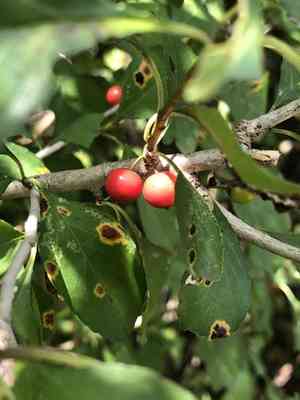
Possumhaw is a remarkable plant that adds distinct visual charm to any outdoor space. Its vibrant red berries, which persist through winter, draw attention and provide a burst of color when most other plants are dormant. The glossy green foliage offers a beautiful contrast to the bright berries, ensuring it stands out as a focal point or a complementary element in various garden designs. This aesthetic versatility makes Possumhaw an excellent option for those aiming to enhance their garden's visual allure.
Key Characteristics for Gardeners
Before integrating Possumhaw into your garden, understanding its fundamental traits is crucial. Possumhaw is a deciduous shrub known for its hardiness and ability to adapt to diverse soil types, provided they are well-drained. It can reach heights of 10-15 feet, making it suitable for both compact and expansive garden areas. Furthermore, Possumhaw requires minimal upkeep, flourishing in full sun or partial shade, and is recognized for its drought tolerance once established. These qualities make Possumhaw a practical and rewarding choice for gardeners of all experience levels.
Designing Your Outdoor Space with Possumhaw
Incorporating Possumhaw into Garden Designs
When planning your garden layout, consider placing Possumhaw where its seasonal beauty can be fully appreciated. For instance, position it near pathways or seating areas to enjoy its visual charm up close. Possumhaw can also function as an effective border plant, defining garden boundaries and adding structure. Planting multiple Possumhaw specimens together can form a stunning hedge, offering privacy and a vibrant backdrop for other plants. Its size and form make it adaptable, allowing you to utilize it in various garden configurations to achieve your landscape design objectives.
Pairing Possumhaw with Other Plants for Optimal Impact
Possumhaw harmonizes beautifully with a wide array of other plants, elevating the overall aesthetic of your garden. Combine Possumhaw with evergreens to create a striking contrast, as the green foliage will accentuate the red berries. For a more colorful display, intersperse Possumhaw with flowering shrubs or perennials that bloom at different times of the year. This approach ensures your garden remains visually engaging throughout all seasons. Additionally, contrasting Possumhaw with plants of varying heights and textures can add depth and dimension to your landscape, making it more captivating and visually interesting.
Possumhaw's Seasonal Aspects
Possumhaw's Seasonal Transformations
Possumhaw presents distinct features in every season, making it a versatile plant for year-round appeal. During spring and summer, Possumhaw displays lush, green foliage that provides a vibrant backdrop for other blooming plants. In autumn, the leaves turn a lovely yellow before shedding, revealing clusters of bright red berries that persist through winter. These berries not only add color but also attract birds, enriching your garden's ecosystem. Understanding these seasonal shifts helps you plan your garden to leverage Possumhaw's year-round advantages.
Preparing Possumhaw for Seasonal Changes
To ensure Possumhaw's health and beauty throughout the year, it's crucial to prepare the plant for seasonal transitions. In spring, apply a balanced fertilizer to stimulate new growth. During summer, maintain consistent watering, especially during dry periods, to support berry production. As autumn approaches, mulch around the base of Possumhaw to retain soil moisture and shield the roots from winter frost. Regularly checking for pests and diseases ensures Possumhaw remains healthy. These simple preparations help Possumhaw thrive through seasonal changes, keeping your garden looking its best.
Advantages of Selecting Possumhaw for Your Garden
Environmental Contributions
Integrating Possumhaw into your garden offers significant environmental benefits. The plant's berries serve as a vital food source for birds and other wildlife during the winter months when resources are scarce. Possumhaw also provides excellent erosion control, thanks to its robust root system, which helps stabilize the soil. Its ability to flourish in diverse conditions makes it a resilient plant that reduces the need for excessive watering or chemical treatments, contributing to a more sustainable garden ecosystem.
Aesthetic and Practical Benefits
Beyond its environmental contributions, Possumhaw offers numerous aesthetic and practical advantages. Its striking appearance makes it a popular choice for ornamental planting, enhancing the visual appeal of residential and commercial landscapes. The plant's low-maintenance nature means it requires minimal ongoing care, making it ideal for busy gardeners. Additionally, its adaptability allows it to fit seamlessly into a variety of landscape designs, from formal gardens to naturalistic settings. These combined benefits make Possumhaw a valuable addition to any garden.
Simple Tips for Maintaining Possumhaw in Your Landscape
Regular Inspections and Care
Consistent maintenance is essential for keeping Possumhaw in prime condition. Conduct routine checks to ensure the plant is healthy, looking for signs of pests or disease. Prune Possumhaw in late winter or early spring to shape the plant and remove any dead or damaged branches. This encourages vigorous growth and preserves the plant's aesthetic appeal. Also, monitor the soil moisture, ensuring it remains well-drained without becoming waterlogged. Consistent yet simple maintenance practices keep Possumhaw thriving in your garden.
Addressing Common Issues
While Possumhaw is a hardy plant, it may still encounter some challenges. Common issues include scale insects and root rot, often due to overwatering. If you notice pests, treat them promptly with insecticidal soap or natural predators like ladybugs. To prevent root rot, ensure proper planting in well-drained soil and avoid excessive watering. If you observe symptoms of disease, such as discolored leaves or reduced berry production, investigate and address the underlying cause swiftly. By being proactive and attentive, you can overcome these challenges and keep Possumhaw flourishing.



