Enhancing Your Garden Design with the Inkberry Plant: A Landscaping Guide
1
Inkberry is an evergreen shrub, providing constant foliage for your landscape.
2
Inkberry flourishes in diverse soil types, making it adaptable for various garden designs.
3
Inkberry needs little upkeep, perfect for gardeners with limited time.
Exploring the Distinctive Characteristics of Inkberry
Identifying the visual attributes of Inkberry
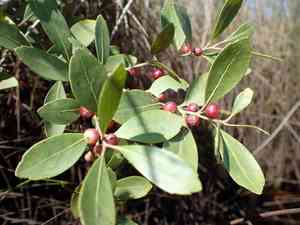
Inkberry is known for its lustrous, deep green leaves that retain their hue throughout the year. Unlike certain other evergreen species, Inkberry does not shed its leaves in winter, ensuring continuous green coverage. The plant typically develops into a dense, rounded bush, making it an excellent option for hedges and borders. A notable feature of Inkberry is its small, subtle blossoms that appear in early summer, followed by attractive black berries that add further visual appeal.
Seasonal patterns and color shifts of Inkberry
Even though Inkberry is evergreen, it still presents subtle seasonal changes that can enhance your garden's vibrancy. In spring and early summer, you'll observe tiny white flowers that offer a pleasant contrast against the dark foliage. As the year progresses, these flowers transform into black berries that persist into winter, providing a striking contrast to snowy environments. While Inkberry's leaves stay green all year, the emergence of flowers and berries introduces subtle yet delightful alterations to its look.
Integrating Inkberry into Various Landscape Designs
Using Inkberry in formal garden layouts
Inkberry performs exceptionally well in formal garden designs due to its neat and organized growth habit. You can employ it to create low, symmetrical hedges or topiary forms that bring order and sophistication to your garden plan. Its consistent leaf color and tidy appearance make it suitable for geometric patterns and structured pathways. Furthermore, its ability to be shaped through pruning offers design versatility, allowing it to fit seamlessly within a traditional, manicured garden setting.
How Inkberry complements informal or naturalistic environments
In informal or naturalistic landscapes, Inkberry can serve as a versatile and low-maintenance background. Its natural form blends well with flowing, irregular garden arrangements. Disperse Inkberry among wildflower beds, or use it as a boundary to transition between manicured lawns and wilder garden zones. The black berries also attract birds, contributing to the biodiverse charm of a naturalistic garden. When left unpruned, Inkberry's natural, relaxed shape enhances the organic feel of these settings.
Optimal Placement and Spacing for Inkberry
Strategic positioning advice for visual impact
To maximize Inkberry's visual effect in your landscape, consider placing it where its dense foliage can create contrasts or act as a backdrop for other plants. Utilize it along pathway edges to establish a sense of enclosure and guide movement through the garden. Arranging Inkberry in clusters around seating areas also fosters a cozy, natural atmosphere. Given its height and structure, Inkberry can be strategically positioned to conceal unattractive views or function as a windbreak.
Understanding spacing requirements for healthy development
Correct spacing is vital for Inkberry's healthy growth. They should be planted approximately three to four feet apart to allow for air circulation and sufficient sunlight. This spacing helps prevent disease and ensures each plant has ample room to reach its full growth potential without becoming overcrowded. When planting in rows for hedges, maintaining consistent spacing is crucial for achieving a uniform appearance. For mixed planting beds, space Inkberry slightly further apart to accommodate the growth habits of adjacent plants.
Pairing Inkberry with Other Plants
Compatible plants that thrive alongside Inkberry
Inkberry combines well with a variety of plants that prefer similar growing conditions. Consider pairing Inkberry with other evergreens like boxwoods or hollies for a unified look. Ornamental grasses and flowering perennials such as Echinacea or Rudbeckia can add texture and color contrast to Inkberry's dark green foliage. Moreover, plants with seasonal interest, like spring bulbs or autumn-blooming flowers, can enhance the year-round appeal of a garden featuring Inkberry.
Design concepts for mixed plantings with Inkberry
For a visually engaging mixed planting, use Inkberry as a foundational element around which more colorful and temporary plants can be arranged. Alternating Inkberry with flowering shrubs or perennials in a border creates a rhythm and balance that is both aesthetically pleasing and practical. You can also create layers by positioning taller plants behind Inkberry and shorter ground covers in front, drawing the eye through the garden space. Incorporating plants with different textures, such as ferns or hostas, alongside Inkberry can create a rich tapestry within your landscape.
Maintaining the Aesthetic Appeal of Inkberry
Seasonal care tips to keep Inkberry looking its best
Regular upkeep of Inkberry involves light pruning to maintain its shape and remove any dead or damaged branches. This is best performed in late winter or early spring before the growing season commences. Mulching around the base helps retain moisture and suppress weeds, enhancing Inkberry's overall health and appearance. Additionally, a balanced, slow-release fertilizer applied in early spring can provide essential nutrients for robust growth and vibrant foliage.
Long-term health and vitality strategies for Inkberry
Ensuring Inkberry's long-term health involves appropriate watering, especially during dry periods, to keep the soil consistently moist but not waterlogged. Monitoring for pests and diseases, such as scale insects or leaf spot, will help you address any issues promptly. Periodic soil tests can inform you of any nutrient imbalances that require correction. Over time, rejuvenation pruning, where older stems are cut back to encourage new growth, can keep Inkberry looking youthful and vibrant year after year.



