Enhancing Your Garden Design with the Common morning glory Plant: A Landscaping Guide
1
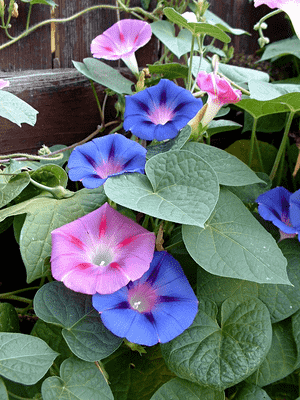
The common morning glory thrives in bright locations and soil that drains effectively for best development.
2
Consistent trimming of common morning glory assists in preserving its form and promotes increased flowering.
3
Incorporating common morning glory imaginatively into your garden can introduce vibrancy and even offer natural seclusion.
Introducing Common morning glory into Your Garden
Why Select Common morning glory for Your Outdoor Space?
Selecting the appropriate plant for your garden is crucial. You might ask, why Common morning glory? This plant offers a burst of color and its rapid growth makes it ideal for gardeners aiming to quickly fill areas. It's known for its vivid flowers that open each morning, providing a refreshing splash of color to begin your day. Furthermore, Common morning glory is relatively easy to care for, needing only basic water, sunlight, and minimal attention, making it suitable for both new and experienced gardeners.
Initial Steps for Planting Common morning glory
Starting with Common morning glory is quite simple. Begin by choosing seeds or young plants from a reputable nursery. If planting from seeds, soak them overnight to aid germination. Plant seeds about half an inch deep in damp, well-drained soil. Select a sunny location, as Common morning glory thrives in full sun. Water the planted seeds gently, ensuring the soil stays moist but not saturated. Within one to two weeks, you should observe the young plants emerging, ready to climb and flourish in your garden.
Optimal Spots for Common morning glory Growth
Location is key! Common morning glory loves sunlight and requires at least six hours of direct sun daily. Perfect spots include along fences, trellises, or pergolas where they can ascend and spread. If you wish to create a focal point, consider planting them near garden arches or above doorways. Just ensure the soil drains well to prevent root rot. Common morning glory can also adapt to container planting, making it a versatile addition to any garden landscape.
Designing With Common morning glory: Strategic Placement and Aesthetics
Complementing Other Plants with Common morning glory
Creating a harmonious garden involves combining various plants, and Common morning glory integrates seamlessly. Pair it with plants of contrasting colors and textures to form visually appealing arrangements. For instance, plant Common morning glory near evergreens to add a vibrant hue against the green background. Alternatively, consider pairing it with other climbing vines like clematis, which share similar growth habits. The goal is to balance color and foliage to enhance the garden's overall beauty.
Creating Color Schemes
Common morning glory's vivid shades can be utilized to establish striking color schemes in your garden. To achieve a unified look, decide on a color theme. You could pair Common morning glory with flowers of complementary colors, such as yellow or orange, to create a warm, lively palette. For a cooler, calming effect, combine Common morning glory with blues and purples. Color schemes help unify the garden's appearance and feel, making your outdoor space more inviting and aesthetically pleasing.
Using Common morning glory to Form Natural Privacy Screens
One practical application of Common morning glory in garden design is as a natural privacy screen. Its rapid growth and dense foliage offer excellent coverage. Plant Common morning glory along fences, pergolas, or garden walls where it can easily climb and create a green, flowering barrier. This not only boosts privacy but also adds a lush, vibrant element to the area. Strategic placement can transform open, exposed spaces into secluded, cozy retreats perfect for relaxation.
Seasonal Considerations for Common morning glory
Best Times to Plant and Prune Common morning glory
Timing is vital for successfully cultivating Common morning glory. The ideal time to plant is after the last frost when the soil has warmed, typically in spring. This allows the plants ample time to establish and grow throughout the summer. Pruning should occur during the early growth stages to encourage a fuller, bushier plant. Another pruning session can be done after the flowering season to shape the plant and promote future blooms. Regular pruning keeps Common morning glory healthy and robust.
Preparing Common morning glory for Seasonal Changes
As seasons shift, Common morning glory requires some attention to continue thriving. In late autumn, after the initial frost, cut back the vines to ground level. Mulching around the base helps protect the roots during winter. In preparation for spring, remove the mulch and provide a balanced fertilizer to give Common morning glory a strong start. Consistently checking for pests and diseases ensures that Common morning glory remains healthy year-round. With a bit of seasonal care, Common morning glory will continue to beautifully enhance your garden landscape.
Maintaining the Health of Common morning glory
Regular Monitoring and Upkeep Advice
Maintaining the health of Common morning glory involves consistent observation and a few simple practices. Ensure the soil stays moist but not waterlogged by checking it regularly. Water in the early morning to allow the foliage to dry during the day. This helps prevent fungal diseases. Regularly inspect the plants for any signs of pests or diseases, such as discolored leaves or unusual growth patterns. Early intervention can prevent minor issues from becoming significant problems. A little attention goes a long way in keeping your Common morning glory looking its best.
Addressing Common Issues Without Detailed Care Instructions
While Common morning glory is generally resilient, it can encounter some typical problems. Yellowing leaves might indicate overwatering or nutrient deficiencies, so adjust watering habits and consider a balanced fertilizer. If pests like aphids or spider mites appear, try a gentle insecticidal soap. Fungal diseases often result from wet foliage, so water at the base and ensure good air circulation. Regular pruning and removal of affected foliage can also help manage these issues. These simple steps can ensure your Common morning glory remains a vibrant part of your garden.



