Enhancing Your Garden Design with the Japanese Iris Plant: A Landscaping Guide
1
Japanese Iris flourishes in full sun but can endure some dappled light.
2
Optimal growth for Japanese Iris requires rich, well-draining soil.
3
Consistent trimming and adequate hydration are crucial for robust Japanese Iris health.
Appreciating the Beauty of Japanese Iris
Visual Traits: Hue and Dimension
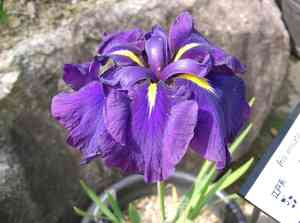
A primary allure of Japanese Iris for gardeners is its vivid and diverse color range, encompassing shades of blue, purple, red, and white. These striking colors can create a visual spectacle in your garden, whether grouped or as individual specimens. Furthermore, Japanese Iris can reach heights of up to 4 feet, making it a captivating element that adds vertical interest to garden designs.
Optimal Periods for Planting Japanese Iris
Japanese Iris is best planted from late summer to early autumn when the ground remains warm. This timing helps ensure the plants establish well before winter. Alternatively, you can also plant Japanese Iris in early spring after the final frost has passed. Both planting windows allow Japanese Iris to develop a strong root system prior to the peak growing season.
Selecting the Ideal Spot for Japanese Iris in Your Garden
Sunlight and Shade Preferences
Japanese Iris thrives in full sun to partial shade, needing at least 6 hours of direct sunlight daily for optimal development. Placing Japanese Iris where it receives morning sun and afternoon shade can help shield it from intense heat while ensuring it gets sufficient light to flourish. This balance is especially critical in regions with hot summers.
Soil Types and Drainage Requirements
Japanese Iris prospers in well-drained, fertile soil that is slightly acidic to neutral. Ensure your garden area is properly prepared with soil that can retain moisture without becoming saturated. Incorporating organic matter or compost can enhance soil texture and fertility, providing a nutrient-rich environment for Japanese Iris to thrive.
Design Concepts for Landscaping with Japanese Iris
Incorporating Japanese Iris into Mixed Flower Beds
Integrating Japanese Iris into mixed flower beds can introduce height and color contrast, enhancing the overall aesthetic appeal. Combine Japanese Iris with shorter perennials like hostas or daylilies to create layers of color and texture. This pairing not only offers visual interest but also helps fill empty spaces, making your garden appear fuller and more cohesive.
Creating Focal Points with Japanese Iris
Japanese Iris can serve as stunning focal points in your garden. Plant them in clusters in prominent areas where their height and vibrant colors will attract attention. Consider positioning them near garden ponds or water features to highlight their natural beauty and complement the reflective qualities of water.
Edge Lining and Pathway Designs with Japanese Iris
Using Japanese Iris to line garden edges or pathways can create an elegant border that guides the eye and adds definition to garden spaces. Planting Japanese Iris along walkways can establish a visually appealing transition between different garden zones. The tall, graceful stems and bright blooms can add a touch of sophistication to any garden pathway.
Maintenance Advice for Japanese Iris in Landscaping
Pruning and Deadheading
Regular pruning and deadheading are crucial for maintaining Japanese Iris health and encouraging abundant blooms. After the flowering season, remove spent flowers and any diseased or damaged leaves to promote new growth and prevent pest and disease issues. Annual division of older clumps every 3 to 4 years also helps maintain vigor and prevents overcrowding.
Watering Schedules and Techniques
Japanese Iris prefers consistently moist soil, particularly during the growing and flowering seasons. Regularly watering the plants to keep the soil evenly moist but not waterlogged is essential. Mulching around the base can help retain soil moisture and reduce watering frequency. However, it's important to adjust the watering schedule based on seasonal changes and local rainfall.



