Enhancing Your Garden Design with the Peregrina Plant: A Landscaping Guide
1
Peregrina brings vivid hues and continuous charm to your outdoor space throughout the year.
2
Thoughtfully place Peregrina to establish prominent features or improve seclusion in your yard.
3
Seasonal appropriate maintenance guarantees Peregrina's health and ability to withstand harsh climatic conditions.
Exploring the Distinctive Charm of Peregrina
Visual Allure: Peregrina's Striking Hues
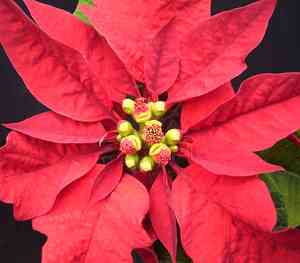
A primary reason to integrate Peregrina into your garden design is its vivid and captivating coloration. The deep reds and rich greens of Peregrina can produce stunning displays that draw the attention of any observer. Whether planted in large groups or as a singular specimen, Peregrina adds dynamic visual appeal to gardens of all dimensions. Its unique shades can perfectly complement both modern and classic garden layouts, offering adaptability and a burst of color few other plants can match. It's not solely about the blossomsâPeregrina's foliage equally contributes to its visual impact, retaining its beauty even when not flowering.
Seasonal Evolution: Adapting Your Garden with Peregrina's Cyclic Beauty
Peregrina is a plant that offers year-round interest, meaning you'll appreciate various aspects of its charm throughout the year. This cyclical nature aids in designing a garden that transforms and remains engaging season after season. In spring and summer, Peregrina may be abundant with colorful flowers. As seasons shift, its leaf coloration can introduce a different aesthetic dimension to your garden. By understanding and utilizing these seasonal changes, you can cultivate a landscape that feels vibrant and alive all year.
Integrating Peregrina into Diverse Landscape Styles
Contemporary Minimalist Gardens: Utilizing Peregrina as a Central Feature
While modern minimalist gardens typically favor a subdued and restricted palette, Peregrina can serve as an outstanding focal point within this aesthetic. Its striking blooms and distinctive form can alleviate the uniformity of minimalist designs without overwhelming the space. Whether placed in a sleek container or a dedicated garden bed, Peregrina introduces texture and interest, drawing the eye and establishing a natural centerpiece that complements the clean lines and simple structures of minimalist landscapes.
Cottage-Style Landscapes: Blending with Peregrina's Natural Growth Habits
Cottage gardens are renowned for their informal, free-flowing designs, and Peregrina integrates seamlessly into this style. The plant's inherent growth patterns merge effortlessly into the lush, layered appearance characteristic of cottage gardens. By positioning Peregrina among a variety of other flowering plants and shrubs, you cultivate a harmonious, unforced aesthetic. This integration not only provides color but also supports a habitat for pollinators, adding an ecological benefit to your garden design.
Practical Advice for Planting and Positioning Peregrina
Choosing the Optimal Spot for Peregrina in Your Garden
Selecting the correct location for Peregrina in your garden is crucial for its development and visual effect. This plant thrives in well-drained soil and areas that receive ample sunlight. Placing Peregrina where it can benefit from morning sun while being protected from intense afternoon rays will be most effective. Consider situating it where you desire a splash of color or where it can draw attention to a specific area of your landscape. Its adaptability to various soil types and conditions also makes positioning Peregrina a versatile choice for many garden environments.
How to Employ Peregrina to Enhance Garden Seclusion and Framework
Peregrina can fulfill more than just an aesthetic role in your garden; it can also be strategically used to improve privacy and structure. By planting Peregrina along your property boundary or around seating areas, you can establish a natural screen that offers seclusion while still contributing to the garden's beauty. Furthermore, its robust form can be utilized to define different sections of your garden, providing a clear framework without the need for artificial barriers or fences.
Combining Peregrina with Other Plants: A Collaborative Approach
Peregrina Companions: Selecting Complementary Plants
When considering which plants to pair with Peregrina, seek species that will enhance its striking colors and growth habit without overshadowing it. Plants with contrasting foliage colors or textures, such as ornamental grasses or succulents, can create a balanced and visually appealing combination. Additionally, choosing companions that flourish under similar growing conditions will ensure that all plants involved can thrive together, forming a cohesive and healthy garden ecosystem.
Avoiding Common Errors in Plant Pairings with Peregrina
To maximize Peregrina's impact in your landscape, it's important to steer clear of common mistakes like overcrowding and incompatible plant requirements. Ensure you provide sufficient space for Peregrina and its companions to grow without competing for resources. Be mindful of water and sunlight needs, pairing Peregrina only with plants that have similar demands. This attention to detail will help you cultivate a harmonious and flourishing garden.
Seasonal Care Guidelines for Peregrina: Ensuring Year-Round Health
Seasonal Adjustments: Optimizing Peregrina Care Throughout the Year
To maintain Peregrina's best appearance year-round, it's essential to adapt your care routine with the changing seasons. During active growth periods, consistent watering and fertilization will support vigorous development and vibrant blooms. As seasons shift, consider pruning dead or overgrown branches to preserve the plant's shape and health. In dormant periods, reduce watering and be wary of potential frost for plants in colder climates. These seasonal adjustments will help Peregrina flourish and remain a prominent feature in your garden.
Weather Considerations: Safeguarding Peregrina from Extreme Conditions
Extreme weather can pose a challenge for any plant, and Peregrina is no exception. In areas prone to intense heat, ensuring adequate hydration and mulching can help retain soil moisture and protect its roots. For regions experiencing harsh winters, providing frost protection, such as covering with a frost cloth, can be beneficial. By anticipating and addressing these weather-related challenges, you can ensure that Peregrina remains healthy and vibrant regardless of the season.



