Enhancing Your Garden Design with the Mountain laurel Plant: A Landscaping Guide
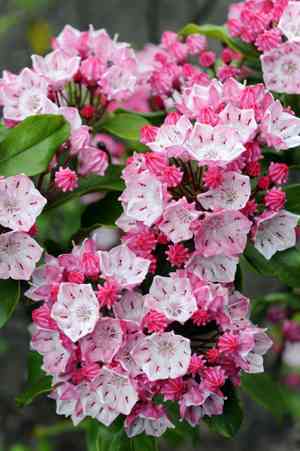
1
Insight: Mountain laurel provides year-round green foliage, serving as a prominent feature in any period.
2
Insight: Mountain laurel shows great versatility across different weather conditions, needing little upkeep.
3
Insight: Mountain laurel complements diverse plant forms and hues beautifully for an impressive garden design.
Why Select Mountain Laurel for Your Outdoor Space?
Visual Appeal: Beautiful Throughout the Year
A primary reason to integrate Mountain Laurel into your landscape is its consistent visual charm. This plant showcases magnificent blossoms in spring and summer, injecting vivid color into your garden. As seasons shift, its foliage stays verdant and full, ensuring your outdoor area maintains its attractiveness regardless of the time of year. Whether aiming for a focal point or a plant that complements other garden elements, Mountain Laurel offers enduring beauty.
Versatility: Suitable for Diverse Climates
Mountain Laurel proves an excellent option for gardeners in various climate zones due to its remarkable adaptability. This plant thrives in a range of environmental conditions, from hot summers to cold winters. Such flexibility means you can include it in your landscape without significant concern for specific climate suitability. Its resilience to weather changes ensures it remains a strong and reliable part of your garden.
Easy Care: Requires Little Attention
For gardeners who prefer plants needing minimal upkeep, Mountain Laurel is an ideal choice. Requiring little care, it flourishes with just occasional watering and trimming. Its resistance to pests and diseases further simplifies its maintenance. This makes Mountain Laurel perfect for busy individuals or those new to gardening, providing stunning beauty without demanding extensive effort.
Landscape Design Concepts Using Mountain Laurel
Establishing Natural Boundaries
Utilizing Mountain Laurel to form natural borders in your garden can provide structure and definition. Its dense leaves are perfect for creating organic barriers or hedges, delineating different areas in your outdoor space. Planting Mountain Laurel along your garden's edge can also deter unwanted entry while adding a picturesque backdrop. This can be especially effective in larger gardens where distinct sections can create a more organized and appealing layout.
Highlighting Walkways and Paths
Emphasizing walkways and paths with Mountain Laurel can transform these features into visual highlights. The plant's lovely flowers and leafy background create an inviting atmosphere, encouraging visitors to explore your garden further. Lining your paths with Mountain Laurel can make simple garden routes feel like enchanting journeys, adding a touch of elegance and sophistication to your landscape design.
Enhancing Water Features
Water features such as ponds, fountains, or small streams can be significantly improved by surrounding them with Mountain Laurel. The lush greenery and seasonal blooms offer a fantastic contrast to the water's reflective surface, creating a peaceful and scenic setting. This combination not only boosts your garden's aesthetic value but also fosters a calming environment, ideal for relaxation and tranquility.
Integrating Mountain Laurel with Other Flora
Complementary Hues: Pairing with Contrasting Blossoms
Combining Mountain Laurel with other plants featuring contrasting blooms can yield striking visual effects. Consider pairing Mountain Laurel with plants that have vibrant, bold colors to accentuate the delicate shades of its flowers. This complementary color scheme can make your garden appear more dynamic and lively. For instance, pairing Mountain Laurel with bright reds or deep purples can create a visually captivating contrast that enhances the overall aesthetic of your landscape.
Layering Textures: Combining with Diverse Foliage
Layering various plant textures alongside Mountain Laurel can add depth and interest to your garden. Mixing its smooth, rich foliage with plants that have rougher or differently shaped leaves creates a multi-dimensional look. This textural contrast can make individual plant features stand out more prominently and give your garden a rich, sophisticated appearance. Experimenting with a mix of textures allows you to develop a more engaging and intricate garden design.
Seasonal Considerations for Mountain Laurel
Spring and Summer: Flowering Periods
Mountain Laurel truly excels during its flowering periods in spring and summer. Its captivating blossoms can serve as key highlights in your garden, attracting attention and adding vibrant splashes of color. During these seasons, ensuring Mountain Laurel receives adequate water and sunlight will enable it to thrive and perform optimally. This period is also the ideal time to appreciate the plant's full splendor and incorporate it into your landscape design activities.
Autumn and Winter: Maintaining Visual Appeal
Even as Mountain Laurel's blooms fade, its foliage remains robust through autumn and winter, sustaining visual interest. The evergreen nature of its leaves means your garden will not lose its charm once the flowering season concludes. To keep Mountain Laurel looking its best during colder months, minimal pruning and basic upkeep will help. Its reliable greenery provides a consistent backdrop for other seasonal plants or decorations, ensuring your landscape is attractive year-round.



