Enhancing Your Garden Design with the Pride of India Plant: A Landscaping Guide
1
Lagerstroemia indica provides vivid flowers capable of turning any outdoor space into a colorful haven.
2
Selecting an appropriate site and comprehending soil needs are vital for the robust development of Lagerstroemia indica.
3
Consistent upkeep and knowledge of seasonal care practices can ensure Lagerstroemia indica flourishes throughout the year.
Introducing Pride of India to Your Landscape
Appreciating the Visual Charm of Pride of India
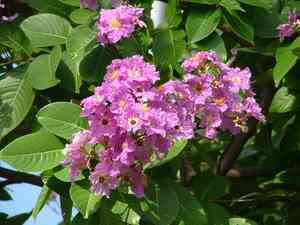
Pride of India is celebrated for its remarkably beautiful flowers, appearing in vivid pink, purple, and white hues. These colorful blossoms can create an attractive outdoor space, making Pride of India a favored option for gardeners seeking to add grace and allure. Its distinctive bark texture and adaptability to various environments further boost its aesthetic worth.
Ecological Advantages of Including Pride of India in Outdoor Areas
Pride of India offers more than just beauty; it also provides several environmental benefits. The tree can enhance air quality by filtering pollutants, and its extensive root system aids in preventing soil erosion. Furthermore, it offers shade and refuge for diverse wildlife, fostering a small ecosystem in your garden.
Initial Considerations Prior to Planting Pride of India
Before planting Pride of India, it's vital to assess factors such as climate, soil type, and available space. Pride of India thrives in well-drained soils and requires a sunny spot for optimal development. Understanding the tree's mature size is also important to ensure it has ample room to grow without impacting nearby plants or structures.
Selecting the Perfect Spot for Pride of India
Factors Influencing Pride of India's Placement
When deciding where to plant Pride of India, consider the tree's mature height and spread. The chosen site should offer sufficient space for roots to expand without disturbing adjacent structures or plants. Pay attention to wind patterns, as strong gusts can harm young trees. Additionally, ensure the location has good air circulation to prevent fungal diseases.
Sunlight and Soil Requirements
Pride of India flourishes in full sunlight, meaning it needs at least 6-8 hours of direct sun daily. The soil should be well-drained and fertile, with a pH level between 5.5 and 7.5. Enriching the soil with organic matter can improve its fertility and drainage, creating a better growing environment for the tree.
Spacing and Grouping Advice for Visual Impact
To create a visually striking landscape, consider spacing Pride of India appropriately if planting multiple trees. Each tree should be planted at least 15-20 feet apart, allowing them to reach their full potential without overcrowding. Grouping Pride of India with complementary plants can enhance its beauty; for instance, pairing it with ground covers or perennials that contrast its colors can create a stunning visual effect.
Designing with Pride of India: Artistic Methods
Integrating Pride of India with Other Flora
To achieve a harmonious landscape design, integrate Pride of India with a variety of other plants. Consider using shrubs, perennials, and ground covers that complement the tree's color palette and growth habit. For example, pairing Pride of India with plants that have contrasting foliage, such as evergreens, can highlight the tree's vibrant blooms.
Color Coordination and Seasonal Considerations
Color coordination is crucial when designing with Pride of India. Plan your landscape to ensure there is visual interest throughout the year. Since Pride of India has a distinct blooming season, you may want to include plants that bloom at different times, ensuring continuous color in your garden. Fall foliage and winter-blooming shrubs can keep your landscape attractive even when Pride of India is not in bloom.
Creating Focal Points and Height Variations
Pride of India can serve as a stunning focal point due to its attractive blooms and elegant form. Use it to draw attention to specific areas in your garden. Additionally, varying the heights of surrounding plants can create a dynamic and layered look. Underplanting with shorter, complementary plants can enhance the visual appeal and add depth to your landscape.
Caring for Pride of India in Your Landscape
Fundamental Care Guidelines for Pride of India
Proper maintenance is essential for keeping Pride of India healthy and vibrant. Regular watering, especially during dry periods, is crucial. Mulching around the base can help retain moisture and regulate soil temperature. Pruning during dormancy helps maintain its shape and encourages new growth. It is also important to monitor for pests and diseases and take appropriate actions if needed.
Addressing Common Issues
Pride of India can encounter challenges like powdery mildew, aphids, and root rot. To tackle these issues, ensure good air circulation, avoid overhead watering, and use appropriate treatments like insecticidal soaps or fungicides. Regularly inspect the tree for signs of distress and act promptly to mitigate any problems.
Seasonal Care Adjustments
Caring for Pride of India involves adjusting your maintenance practices according to the season. In spring, focus on feeding and mulching. Summer requires diligent watering and monitoring for pests. Fall is the time for pruning and preparing the tree for winter. Some protection may be necessary during extreme winters, such as wrapping the trunk or ensuring the roots are well-mulched.



