Enhancing Your Garden Design with the Spotted Dead Nettles Plant: A Landscaping Guide
1
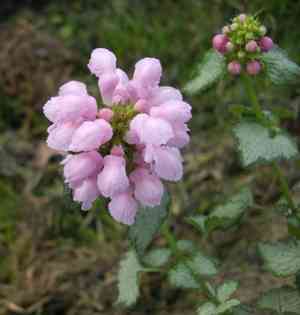
Lamium maculatum introduces a distinct tactile and visual element to garden areas, enhancing their aesthetic appeal.
2
These flora require minimal upkeep and are versatile, ideal for horticulturists of any experience.
3
Lamium maculatum can be positioned thoughtfully to establish central features or harmonize with other vegetation.
An Introduction to Spotted Dead Nettles in Garden Design
Exploring the adaptability and visual appeal of Spotted Dead Nettles
If you aim to transform your garden into a lively and welcoming area, consider Spotted Dead Nettles. With its attractive variegated leaves and delicate blooms, this plant adds a touch of grace and charm. Its true strength lies in its versatility. Whether you have a large garden or a small balcony, it integrates seamlessly. Its flexible nature allows it to thrive in sun or shade, making it suitable for ground cover or hanging baskets.
Why opt for Spotted Dead Nettles in your outdoor areas?
Why should Spotted Dead Nettles be a choice for your garden? Firstly, it's a low-maintenance plant that doesn't require constant attention. Its hardiness and resilience make it an excellent option for gardeners of all skill levels. Furthermore, many varieties of Spotted Dead Nettles offer an evergreen quality, ensuring your garden remains vibrant year-round. Its weed-suppressing ability also provides a practical benefit, reducing the need for frequent weeding.
Optimal Placement of Spotted Dead Nettles in Landscape Design
Ideal planting locations and their justifications
To maximize the impact of Spotted Dead Nettles in your garden, proper placement is key. This plant thrives best in well-drained soil with partial to full shade. Positioning Spotted Dead Nettles in shaded spots beneath trees or alongside buildings can enhance the beauty of these often-neglected areas, bringing them to life with its rich foliage and subtle flowers.
Pairing Spotted Dead Nettles with other plants
Spotted Dead Nettles is an excellent companion for other shade-loving plants such as hostas and ferns. This combination can create a diverse array of textures and colors. Additionally, its spreading habit makes it an effective ground cover that can fill empty spaces and create a unified look throughout your garden. Integrating it with taller perennials can also help establish layers, adding depth and dimension to your landscape design.
Creating visual highlights with Spotted Dead Nettles
One particularly effective way to utilize Spotted Dead Nettles in your garden is to establish focal points. Imagine a garden path bordered by its variegated leaves and adorned with colorful blossoms. It draws the eye and guides visitors through your garden, creating a visual journey. Strategically placing Spotted Dead Nettles, such as around garden sculptures or water features, can also accentuate these elements, making your garden more dynamic and engaging.
Seasonal Care Guidelines for Spotted Dead Nettles
Spring and summer care essentials
As the growing season begins in spring, ensure consistent watering for Spotted Dead Nettles to promote strong root development. Applying a layer of mulch can help retain moisture and stabilize soil temperature. During summer, increased watering may be necessary during dry periods. While generally pest-resistant, monitor for slugs and snails, which may be drawn to its tender leaves.
Preparing Spotted Dead Nettles for autumn and winter
Readying Spotted Dead Nettles for colder months is straightforward. In autumn, prune any dead or damaged foliage to maintain a neat appearance. As winter approaches, a layer of mulch can offer additional protection against frost and freezing temperatures. In milder climates, Spotted Dead Nettles often stays green through winter, but in colder regions, it will re-emerge with new growth in spring.
Innovative Uses for Spotted Dead Nettles in Landscaping
Utilizing Spotted Dead Nettles in borders and edgings
Establishing clear garden boundaries is simple with Spotted Dead Nettles. Its sprawling growth makes it an excellent choice for borders and edgings. By planting a row along garden beds or pathways, you can define spaces while maintaining a soft, natural aesthetic. This method can also effectively prevent soil erosion on slopes and control weed growth.
Creative concepts for Spotted Dead Nettles in contemporary garden designs
Modern gardens often prioritize clean lines and minimalist aesthetics, and Spotted Dead Nettles fits perfectly. Consider using it in vertical gardens or living walls, where its trailing growth habit can form a lush, green curtain. It can also be planted in decorative containers or raised beds, making it adaptable enough for contemporary garden styles.
Combining practicality and beauty with Spotted Dead Nettles
Spotted Dead Nettles not only enhances your garden's beauty but also serves practical functions. Its dense foliage can act as a natural ground cover, reducing the need for mulch. Additionally, it provides habitat and food for beneficial insects, fostering a healthy garden ecosystem. Strategic use of Spotted Dead Nettles can help balance both the visual appeal and functional aspects of your garden landscape.



