Enhancing Your Garden Design with the French lavender Plant: A Landscaping Guide
1
French lavender is celebrated for its beautiful appearance and fragrant qualities.
2
This plant offers an easy-care solution suitable for diverse environmental conditions.
3
French lavender draws in helpful creatures, such as pollinators and other bugs.
Exploring the Visual Charm of French Lavender
Appearance traits: Hue and texture
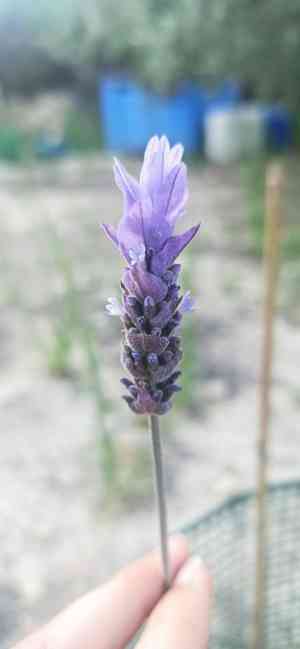
French lavender is valued for its distinct color and feel. The plant showcases soft, serrated leaves and blossoms ranging from deep purple to a lighter lavender shade. This blend creates a striking visual contrast, making French lavender a captivating addition to any garden. The leaf texture adds depth and interest, making it an excellent choice for breaking up uniform green areas.
Seasonal changes in look
French lavender subtly transforms with the seasons, ensuring your landscape remains vibrant and engaging throughout the year. In spring and summer, its vivid flowers are in full bloom, providing a burst of color. During autumn and winter, while the blossoms may fade, the evergreen foliage continues to offer a touch of green, maintaining the plant's presence and appeal.
Companion plants for French lavender
When designing your landscape, consider pairing French lavender with plants that highlight its natural beauty. Plants like rosemary, sage, and other fragrant herbs can create a cohesive herb garden feel. Furthermore, ornamental grasses and silver-leaved plants such as artemisia offer a lovely contrast, enhancing the overall visual appeal of your garden.
Practical Advantages of Including French Lavender in Landscapes
Low upkeep benefits
One of the prominent features of French lavender is its minimal maintenance requirements. This plant thrives in poor soils and needs little watering once established, making it ideal for those desiring a beautiful garden without constant care. Its resilience to harsh conditions also means fewer concerns about plant upkeep during seasonal shifts.
Year-round resilience
French lavender's hardiness is another reason it's a preferred choice for landscaping. This robust plant can endure drought and withstand frost, ensuring continuous beauty and function. Its ability to flourish through various seasons makes it an ideal plant for those seeking a dependable, long-lasting addition to their garden.
Attracting local fauna
Landscaping with French lavender can significantly benefit your local ecosystem. The plant draws various pollinators, including bees and butterflies, fostering biodiversity in your garden. Additionally, birds and beneficial insects are attracted to French lavender, contributing to a natural and healthy garden environment.
Design Approaches with French Lavender
Integrating French lavender in borders and edges
French lavender is an excellent option for defining garden borders and edges. Its compact growth habit and evergreen nature provide a neat, structured appearance. Planting French lavender along paths or around flower beds can create clear, attractive boundaries that enhance the overall design of your landscape.
Creating focal points with French lavender
To make French lavender a central feature in your garden, consider planting it in prominent spots, such as main flower beds or entryways. Its vibrant flowers and distinctive foliage will naturally draw the eye, creating a stunning visual centerpiece. Combining French lavender with complementary plants can further emphasize its beauty and presence.
Using French lavender as ground cover
For those interested in ground cover options, French lavender is a versatile and aesthetically pleasing choice. Its dense growth habit effectively suppresses weeds, reducing maintenance efforts. Moreover, the plant's fragrant foliage can create a pleasant walking experience when used in areas with frequent foot traffic.
Companion Planting Concepts for French Lavender
Optimal plants to pair with French lavender
Selecting the right companion plants for French lavender can enhance its beauty and vitality. Aromatic herbs like thyme and oregano work well, as they share similar growing conditions. Additionally, Mediterranean plants such as Echinacea and yarrow complement French lavender both visually and functionally, creating a cohesive, low-maintenance garden.
Plants to keep away from French lavender
When planning your garden, it's crucial to avoid planting water-loving species near French lavender. Plants that require consistently moist soil can create an unsuitable environment for French lavender, leading to root rot or other issues. Steer clear of plants like ferns or astilbes, which have high water needs and are incompatible with the drought-tolerant nature of French lavender.
Advice for ideal planting arrangement
For the best outcomes, arrange French lavender in a layout that allows ample sunlight and air circulation. Full sun exposure is perfect for promoting healthy growth and vibrant blooms. Grouping French lavender with other sun-loving, drought-tolerant plants can create a harmonious garden that thrives with minimal intervention. Furthermore, consider planting French lavender in raised beds or well-draining soil to optimize its growth conditions.



