Enhancing Your Garden Design with the Summer snowflake Plant: A Landscaping Guide
1
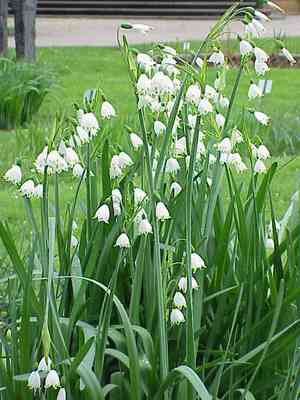
For best development, cultivate Summer snowflake in locations with partial shade.
2
Summer snowflake flowers mainly in late spring, bringing a delightful appeal to your outdoor space.
3
Consistent, light upkeep guarantees Summer snowflake stays an easy-care yet beautiful feature in your garden.
Introducing Summer Snowflake to Your Garden
Why select Summer Snowflake for landscaping?
For garden enhancement, Summer Snowflake is an excellent choice. Its delicate, bell-shaped flowers and rich green leaves offer a striking contrast in garden beds, fostering peace and beauty. Summer Snowflake's adaptable nature allows it to complement both formal and informal garden designs effortlessly. Moreover, its minimal care requirements make it ideal for both new and experienced gardeners.
Optimal planting locations for Summer Snowflake
Summer Snowflake thrives best in areas receiving partial shade. While it can endure full sun, especially in cooler climates, partial shade helps prevent rapid soil drying, ensuring healthier growth. Woodland edges, shaded borders, and perennial beds are prime spots for planting Summer Snowflake. Additionally, it flourishes in well-drained soil rich in organic matter, so consider enriching your soil with compost or aged manure prior to planting.
Companion plants that complement Summer Snowflake
Pairing Summer Snowflake with suitable companion plants can boost its beauty and support a flourishing garden ecosystem. Consider companions like ferns, hostas, and astilbes, which share similar growing conditions and create a lush, layered effect. Spring bulbs such as tulips and daffodils also make excellent partners, ensuring continuous blooms throughout the season. These combinations can produce aesthetically pleasing contrasts and a vibrant garden tapestry.
Designing with Summer Snowflake: Aesthetic and Practical Tips
Creating visual impact with Summer Snowflake
Summer Snowflake can be a focal point in any garden due to its unique aesthetic appeal. Planting them in large groups can form a carpet of green and white, drawing the eye and providing a visually calming scene. Alternatively, using Summer Snowflake as underplanting for taller shrubs and trees can add layers and depth to your garden landscape. Its flowers, appearing in late spring, offer a fresh burst of color when many spring blooms begin to fade.
Seasonal considerations for Summer Snowflake
Understanding Summer Snowflake's seasonal needs is vital for its successful integration into your garden. While Summer Snowflake is relatively low maintenance, regular watering during dry spells is essential, particularly in spring when the plant is actively growing. Mulching in autumn can help retain soil moisture and protect the bulbs during winter. In regions with harsh winters, consider lifting and storing the bulbs over winter to ensure their healthy return in spring.
Maintenance tips for sustaining Summer Snowflake's beauty
Maintaining Summer Snowflake in its prime condition is straightforward. Occasional deadheading of spent flowers ensures the plant's energy is directed towards producing new blooms rather than seed production. Cutting back the foliage only after it has naturally died back, typically in late summer, allows the plant to store energy for the next growing season. Regularly dividing the clumps every few years prevents overcrowding and promotes vigorous flowering.
Ecological Benefits of Including Summer Snowflake in Landscapes
How Summer Snowflake supports local wildlife
Summer Snowflake plays a crucial role in supporting local wildlife. Its blossoms attract various pollinators, including bees and butterflies, which are essential for a thriving garden ecosystem. Providing these pollinators with a nectar source, especially early in the blooming season, can help sustain their populations. This, in turn, supports the broader ecological community within your garden.
Contributing to biodiversity with Summer Snowflake
Introducing Summer Snowflake into your garden can significantly enhance biodiversity. By offering a habitat and food source for insects, it contributes to a healthy ecosystem. Increased plant diversity also helps prevent soil diseases and pest outbreaks, fostering a balanced and resilient garden environment. Summer Snowflake can be part of a broader strategy to create a garden that supports various plant and animal species.
Environmental impact of cultivating Summer Snowflake
Cultivating Summer Snowflake has several positive environmental impacts. As a low-maintenance plant, it requires fewer resources like water and fertilizers compared to more demanding plant species. Its presence in your garden encourages a natural and sustainable gardening approach, reducing the need for chemical interventions. Additionally, Summer Snowflake's ability to thrive in diverse environments makes it an excellent choice for gardens aiming to maintain ecological harmony.
Creative Uses of Summer Snowflake in Landscape Design
Innovative placement ideas for Summer Snowflake
Thinking beyond traditional garden beds can lead to creative uses of Summer Snowflake in your landscape design. Consider planting them along pathways or in rock gardens, where their delicate blooms can surprise and charm passersby. Summer Snowflake also works well in container gardens, making it a versatile option for patios or balcony spaces. Using Summer Snowflake in unexpected locations can add unique appeal and elevate your garden's overall aesthetic.
Integrating Summer Snowflake in modern landscaping trends
Modern landscaping trends often prioritize sustainable and low-maintenance garden designs, making Summer Snowflake a perfect fit. Consider incorporating Summer Snowflake into gravel gardens or mixed shrub borders for a contemporary look. Pairing Summer Snowflake with ornamental grasses or vertical garden structures can also align with modern trends, creating interesting textures and layers. The elegant simplicity of Summer Snowflake can effectively enhance both traditional and contemporary garden styles.
Case studies: Successful landscapes with Summer Snowflake
Reviewing successful case studies can provide inspiration for integrating Summer Snowflake into your own garden. For instance, a public garden in a temperate region successfully used Summer Snowflake to underplant a grove of ornamental trees, creating a serene and visually cohesive space. Another private garden featured mass plantings of Summer Snowflake alongside a pond, enhancing the naturalistic and tranquil setting. These examples demonstrate the versatility and adaptive beauty of Summer Snowflake in various landscape designs.



