Enhancing Your Garden Design with the Texas ranger Plant: A Landscaping Guide
1
The Texas ranger plant tolerates dry conditions well, perfect for xeriscaping.
2
It flourishes in diverse soil compositions, offering versatile planting options.
3
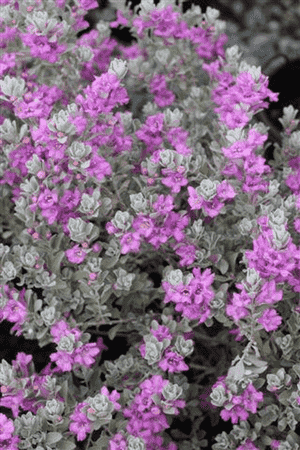
Its silver leaves and violet flowers provide distinct visual interest and hue to any landscape.
Benefits of Incorporating Texas Ranger into Your Garden
Drought tolerance and minimal water needs
Texas ranger stands out for its remarkable ability to withstand dry conditions. This characteristic makes it an excellent option for gardeners in arid or semi-arid areas, or for those aiming to create a water-efficient, sustainable landscape. Its capacity to flourish without frequent irrigation means less upkeep and reduced water expenses, supporting eco-friendly gardening practices.
Adaptability to diverse soil types
Another compelling reason to include Texas ranger in your landscape is its versatility regarding soil conditions. Whether your soil is sandy, loamy, or even slightly clayey, Texas ranger can thrive with minimal adjustments. This flexibility not only expands your planting possibilities but also lessens the need for extensive soil preparation, making it a practical choice for many gardening enthusiasts.
Distinctive silver foliage and purple blossoms
One of Texas ranger's most striking attributes is its unique silvery leaves, which provide a distinct texture and visual contrast in gardens. Combined with its vibrant purple flowers, Texas ranger can be a prominent plant in any landscape design. These aesthetic qualities not only enhance your garden's beauty but also attract pollinators like bees and butterflies, fostering a lively and dynamic garden ecosystem.
Integrating Texas Ranger into Landscape Design
Creating focal points in garden beds
Given its striking appearance, Texas ranger serves as an excellent focal point in garden beds. Strategically placed, it can draw attention and act as a centerpiece around which other plants can be arranged. Its unique color and texture offer a dramatic contrast to green foliage, making it an eye-catching addition that commands attention in any garden layout.
Using as privacy screens or hedges
Beyond its role as a focal point, Texas ranger is also effective when utilized as a privacy screen or hedge. Its dense growth habit provides excellent coverage, making it a natural choice for establishing boundaries or shielding your garden from view. Planting multiple Texas ranger shrubs in a row can create a lush, living wall that not only enhances privacy but also adds an attractive structural element to your landscape.
Pairing Texas ranger with complementary plants
To maximize Texas ranger's visual impact, consider combining it with compatible plants. Its silvery foliage and purple flowers blend beautifully with other drought-tolerant species such as lavender, sage, and ornamental grasses. These combinations can create a cohesive, aesthetically pleasing garden that thrives with minimal water and maintenance.
Seasonal Maintenance Tips for Texas Ranger
Optimal watering practices for different seasons
While Texas ranger is known for its drought resistance, it still requires appropriate watering, especially during its establishment phase. In warmer months, a deep watering every two to three weeks should suffice, while in cooler seasons, watering can be reduced. Always check soil moisture before watering; Texas ranger prefers slightly dry conditions over waterlogged soil, which can lead to root rot.
Pruning: Timing and Technique
Pruning Texas ranger is crucial for maintaining its shape and promoting vigorous growth. The ideal time to prune is in late winter or early spring before new growth emerges. Remove any dead or damaged branches, and trim the plant to achieve the desired form. Avoid heavy pruning during the blooming season to ensure you don't remove flower buds, thereby maximizing its floral display.
Natural management of pests and diseases
Texas ranger is relatively pest-resistant, but it's not entirely immune. Common issues might include aphids or spider mites. To manage these pests naturally, consider using insecticidal soaps or introducing beneficial insects like ladybugs. Regularly inspect your plants for signs of disease and maintain good garden hygiene by removing any fallen debris to prevent fungal infections.
Common Questions About Growing Texas Ranger in Your Landscape
Can Texas ranger survive in colder climates?
Texas ranger is well-suited for warmer climates, typically thriving in USDA zones 8-11. However, in colder regions, it can be cultivated as a potted plant that is brought indoors during winter. While it may not endure extreme cold, with some protection, Texas ranger can adapt to a broader range of temperatures.
How fast does Texas ranger grow?
Texas ranger exhibits moderate growth, typically adding about 1-2 feet in height annually under optimal conditions. Its growth rate can vary based on environmental factors, including soil quality, watering practices, and sun exposure. With proper care, it can reach its mature height of 5-8 feet within a few years.
Are there different varieties of Texas ranger?
Yes, there are several varieties of Texas ranger, each with distinct characteristics. Some varieties may feature different flower colors, ranging from light pink to deep purple, while others may show slight variations in leaf shape or plant size. Exploring different varieties can help you find the perfect match for your landscape design.



