Enhancing Your Garden Design with the Japanese privet Plant: A Landscaping Guide
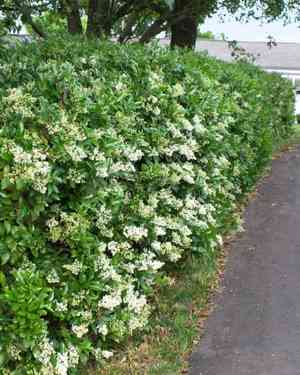
1
Japanese privet is a adaptable plant suitable for diverse garden layouts.
2
Its popularity stems from its attractive appearance and simple upkeep.
3
Japanese privet offers both aesthetic charm and practical utility in outdoor spaces.
Introducing Japanese Privet: A Versatile Choice for Any Garden
Overview of Japanese Privet's Aesthetic Characteristics
The primary feature of Japanese privet is its lush, vibrant foliage, displaying a rich, deep green hue. With its elegantly glossy leaves, Japanese privet imparts a touch of sophistication and charm to any outdoor area. Its dense, compact growth makes it ideal for creating natural screens or hedges, adding structure and privacy to your garden. Additionally, Japanese privet blooms with small, creamy white flowers in the summer, offering a subtle yet enchanting fragrance that can transform a simple garden into a sensory delight.
Why Japanese Privet is a Popular Choice in Landscaping
Many landscaping enthusiasts and professionals favor Japanese privet due to its versatility and ease of care. Its adaptability to various soil types and resistance to pests and diseases make it a reliable option for both novice and experienced gardeners. Furthermore, Japanese privet can thrive in a range of environmental conditions, from full sunlight to partial shade, meaning it fits well in diverse garden settings. This plant's ability to maintain a neat and orderly appearance with minimal pruning further contributes to its popularity.
Incorporating Japanese Privet into Your Landscape Design
Planning Placement in Garden Layouts
When planning your garden layout, consider Japanese privet as a structural element that can provide a backdrop for other plants. Its upright growth habit makes it suitable for defining garden borders or creating gentle partitions within your garden. Strategically planting Japanese privet around seating areas or along pathways can enhance the overall flow of your garden, providing a cohesive and well-thought-out design.
Combining Japanese Privet with Other Plants for a Balanced Look
Creating a balanced and aesthetically pleasing garden involves combining Japanese privet with complementary plants. Its dark green foliage contrasts beautifully with the lighter greens and vibrant colors of flowering plants. For instance, pairing Japanese privet with perennials like lavender or colorful annuals like petunias can create a harmonious color palette. Be mindful of plant heights to ensure that Japanese privet does not overshadow shorter plants, maintaining a layered and dynamic garden appearance.
Using Japanese Privet as a Focal Point or a Privacy Screen
Japanese privet can serve multiple purposes in your landscape design, either as a focal point or a privacy screen. As a focal point, Japanese privet can draw attention to specific areas of your garden, such as a seating area or a decorative fountain. Its striking form and dense foliage naturally attract the eye. Alternatively, planting a row of Japanese privet shrubs creates an effective natural screen, providing privacy without the need for artificial fences. This living barrier not only blocks unwanted views but also reduces noise, adding tranquility to your garden.
Maintenance Tips for Thriving Japanese Privet Plants
Basic Requirements for Sunlight and Soil
For Japanese privet to thrive, it is essential to meet its basic needs. This plant prefers well-drained soil and can adapt to various soil types, but rich, loamy soil will yield the best results. While Japanese privet can tolerate partial shade, it flourishes most in full sunlight, which supports healthy growth and abundant flowering. Regular watering is crucial during the initial establishment period, after which Japanese privet generally becomes more drought-resistant.
Pruning Strategies for Optimal Growth and Shape
Pruning is an important aspect of maintaining Japanese privet's shape and encouraging healthy growth. Light pruning can be done throughout the growing season to remove dead or damaged branches and to maintain the desired structure. For more substantial shaping, it is best to prune Japanese privet in late winter or early spring before the new growth begins. This practice helps promote vigorous growth and a dense, tidy appearance. Regular pruning also helps prevent common issues such as leggy growth or disease spread.
Seasonal Care for Japanese Privet
Handling Seasonal Changes and Plant Health
Seasonal changes can affect the health and appearance of Japanese privet. In the spring and summer, ensure the plant receives adequate water, especially during dry spells. Mulching around the base of the plant helps retain moisture and keeps the roots cool. In the fall, remove fallen leaves and debris to prevent fungal issues. Consistent monitoring for pests and diseases and addressing them promptly is crucial to maintaining Japanese privet's health throughout the year.
Preparing Japanese Privet for Winter Months
As winter approaches, preparing Japanese privet is essential for its survival in colder climates. Although Japanese privet is generally hardy, applying a layer of mulch around the base of the plant helps insulate the roots from freezing temperatures. If you experience particularly harsh winters, consider using burlap to wrap Japanese privet, providing additional protection from frost and wind damage. Reducing the amount of water given in the winter months helps prevent root rot, as the plant's growth slows down and requires less moisture.



