Enhancing Your Garden Design with the Amur honeysuckle Plant: A Landscaping Guide
1
Amur honeysuckle offers year-round aesthetic appeal to outdoor spaces through its seasonal transformations.
2
Optimal placement, considering light exposure and ground conditions, promotes the development of Amur honeysuckle.
3
Pairing Amur honeysuckle with suitable companions can foster an attractive, balanced garden environment.
Appreciating Amur Honeysuckle's Role in Landscaping
Visual Impact: How Amur Honeysuckle Boosts Aesthetic Appeal
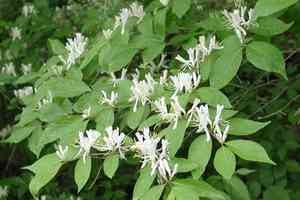
A standout characteristic of Amur honeysuckle in garden design is its visual presence. Its abundant foliage and vivid blossoms establish a captivating focal point in any outdoor space. The rich green leaves provide a striking contrast to other plants, and when in bloom, its decorative charm is truly unparalleled. Consider placing Amur honeysuckle as a central feature in your garden beds, or utilize it to form a natural, attractive hedge.
Seasonal Beauty: Year-Round Interest with Amur Honeysuckle
Amur honeysuckle isn't merely a single-season marvel. Its allure persists throughout the entire year, adding a dynamic element to your outdoor environment. During spring and summer, its flowers draw the eye and please the senses. By autumn, the leaves transform into brilliant yellow hues, injecting a burst of color into your garden. Even in winter, the robust branches of Amur honeysuckle offer structural intrigue when the landscape is otherwise barren.
Wildlife Attraction: Aiding Local Ecosystems
Beyond its visual advantages, Amur honeysuckle plays a vital role in supporting local fauna. Its blossoms draw pollinators such as bees and butterflies, while its dense leaves offer refuge for birds. By integrating Amur honeysuckle into your landscaping, you're not only enhancing your garden's beauty but also contributing to the well-being of your local ecosystem.
Selecting the Optimal Location for Amur Honeysuckle
Sunlight Requirements: Ideal Exposure for Peak Growth
When choosing a site for Amur honeysuckle, it's essential to consider its light needs. This plant flourishes in full sun to partial shade. Ideally, aim for a spot where Amur honeysuckle will receive at least six hours of direct sunlight daily. Sufficient sunlight ensures vigorous growth and abundant flowering, making your landscape vibrant and healthy.
Soil Preferences: Ensuring the Correct Foundation
The soil conditions for Amur honeysuckle are another critical factor for its successful incorporation into your landscape. This plant favors well-drained soil with a neutral to slightly acidic pH. Before planting, enrich the soil with organic matter to enhance fertility and drainage. Avoid waterlogged areas, as Amur honeysuckle does not tolerate excessively wet conditions well.
Spacing Considerations: Maximizing Growth and Visuals
Appropriate spacing is crucial for optimizing the growth and aesthetic appeal of Amur honeysuckle. Allow ample room for the plant to expand without becoming overcrowded. Ideally, position your Amur honeysuckle plants approximately 4 to 6 feet apart. This spacing provides good air circulation, reducing disease risk, and ensures each plant receives adequate nutrients and water to thrive.
Integrating Amur Honeysuckle with Other Plants
Companion Planting: Finding Suitable Neighbors for Amur Honeysuckle
Selecting the right companion plants for Amur honeysuckle can elevate your garden's overall design. Amur honeysuckle pairs well with plants that share similar sunlight and soil requirements. Consider combining it with perennials and shrubs that bloom at different times to ensure continuous color in your garden. For instance, planting Amur honeysuckle alongside early spring bulbs can create a layered and visually captivating display.
Creating Color Harmony: Palette Coordination Advice
Color harmony is a key aspect of garden design. Amur honeysuckle's flowers can range from white to pink, so consider plants that complement these hues. For a unified look, choose plants with contrasting foliage colors or blooms that match or complement Amur honeysuckle's flowers. This creates a visually pleasing palette that unifies the various elements of your landscape.
Layering Techniques: Designing a Dynamic Landscape
Employing layering techniques can add depth and dimension to your garden. Plant Amur honeysuckle as part of a tiered border with taller plants at the rear and shorter ones in the foreground. This not only enhances visual interest but also ensures that each plant receives the sunlight it requires. Experiment with varying heights and textures to create a dynamic and engaging landscape design.
Amur Honeysuckle Maintenance Tips
Pruning Practices: Keeping Amur Honeysuckle at Its Best
Pruning is vital for maintaining the form and health of Amur honeysuckle. Perform light pruning after the flowering period to remove spent blooms and encourage new growth. More extensive pruning can be done in late winter or early spring to remove dead or damaged branches and to shape the plant. Regular pruning ensures that Amur honeysuckle remains lush and attractive, preventing it from becoming overgrown.
Seasonal Care: Preparing Amur Honeysuckle for Weather Changes
Caring for Amur honeysuckle throughout the seasons involves specific steps to shield it from extreme weather conditions. In the fall, apply mulch around the base to insulate the roots. During hot summers, ensure the plant receives sufficient water but avoid waterlogging. Regularly check for pests and diseases year-round, providing appropriate treatments as needed.
Long-term Health: Monitoring and Addressing Issues
Monitoring the health of Amur honeysuckle is crucial for its longevity. Regularly inspect the plant for signs of stress, such as yellowing leaves or reduced flowering. Address issues promptly by adjusting watering practices, improving soil conditions, or treating diseases. Maintaining the long-term health of Amur honeysuckle involves a proactive approach to garden care and quick responses to any challenges.
Environmental Considerations and Sustainability
Invasive Species Awareness: Responsible Planting of Amur Honeysuckle
Awareness of Amur honeysuckle as a potentially invasive species is crucial for sustainable gardening. While it offers many benefits, it can spread aggressively if not properly managed. Stay informed about local guidelines and control measures. Responsible planting and regular maintenance can help prevent Amur honeysuckle from becoming problematic in your area.
Water Use: Effective Irrigation Strategies
Efficient water use is essential for sustainable gardening. Optimize irrigation by watering Amur honeysuckle deeply and infrequently to encourage deep root growth. Using drip irrigation or soaker hoses can minimize water waste. Mulching around the base of Amur honeysuckle retains moisture and reduces the need for frequent watering.
Supporting Biodiversity: How Amur Honeysuckle Contributes to Habitat Variety
Incorporating Amur honeysuckle into your landscape can promote biodiversity. It provides food and shelter for various wildlife species, enhancing the ecological value of your garden. By planting Amur honeysuckle alongside other native plants, you create a diverse habitat that supports a wide range of insects, birds, and other animals, fostering a balanced and thriving ecosystem.



