Enhancing Your Garden Design with the Red Spider lily Plant: A Landscaping Guide
1
For best growth, position Red Spider lily in a sunny spot with good drainage.
2
Red Spider lily are perfect for adding bright highlights to gardens of any size.
3
Consistent seasonal care helps keep Red Spider lily looking beautiful.
Introducing Red Spider Lily in Garden Design
Overview of the distinctive charm of Red Spider Lily
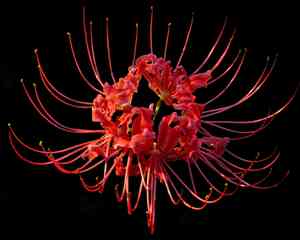
The unique allure of Red Spider Lily can make it a focal point in any garden. Renowned for its striking crimson blooms and long, slender stamens that evoke a spider-like form, Red Spider Lily is not only beautiful but also imparts an exotic elegance to your outdoor space. Its vibrant hue can generate visual interest and contrast, making it an excellent option for those seeking to infuse their garden design with a burst of color.
Popular garden styles where Red Spider Lily excels
Red Spider Lily integrates seamlessly into various garden aesthetics. Whether you possess a formal garden, a wild meadow, or a Japanese-inspired layout, Red Spider Lily can elevate the beauty and harmony of your area. In formal gardens, Red Spider Lily can be utilized to establish structured color borders. In more naturalistic settings, it can create striking patches of red amidst green foliage, and in themed gardens, it contributes an authentic and captivating element.
Selecting the Ideal Spot for Red Spider Lily
Evaluating sun exposure needs for optimal development
Red Spider Lily flourishes in full sun to partial shade. For the best outcomes, plant Red Spider Lily in an area that receives at least six hours of direct sunlight daily. While it can endure partial shade, adequate sunlight is vital for it to flower effectively. If you observe sparse blooms, it might be beneficial to re-evaluate the amount of sunlight the plant is receiving and adjust its placement accordingly.
Considerations for soil composition and drainage
Soil type and drainage are crucial factors for planting Red Spider Lily. These bulbs prefer well-drained soil and can suffer if the soil remains waterlogged. Sandy or loamy soils are perfect as they promote good drainage. If your garden has heavy clay soil, amending it with organic matter like compost can enhance its structure and drainage. Proper soil conditions help prevent bulb rot and ensure the healthy growth of Red Spider Lily.
Integrating Red Spider Lily into Your Landscape Plan
Design concepts for incorporating Red Spider Lily in compact gardens
In small gardens, Red Spider Lily can be used effectively in borders or container plantings. Grouping them together will create a bold statement without overwhelming the area. Utilizing Red Spider Lily in pots or planters allows for easy relocation, creating dynamic and adaptable displays. This can be particularly advantageous in small gardens where space is limited.
Methods for employing Red Spider Lily in extensive landscape projects
For larger landscape endeavors, Red Spider Lily can be incorporated into mass plantings or as part of a diverse bulb collection. Creating expansive drifts of Red Spider Lily can yield a stunning visual impact, especially when they are in full bloom. Additionally, these bulbs can be interspersed with other perennials to add height and color variation. They can also serve as spectacular ground cover under taller shrubs and trees.
Establishing focal points with Red Spider Lily
Red Spider Lily can serve as an eye-catching centerpiece in any garden. Plant them in prominent locations such as the middle of flower beds, along pathways, or even near water features. Their unusual and bright red flowers can attract attention and spark conversation. Pairing Red Spider Lily with contrasting foliage plants can amplify their impact and ensure they stand out.
Seasonal Considerations for Red Spider Lily
Optimal planting times for Red Spider Lily
The best period to plant Red Spider Lily is in the autumn, before the ground freezes. This allows the bulbs sufficient time to establish roots before winter arrives, leading to more vigorous growth and blooming in the spring. Ensure that you plant the bulbs at the correct depth, typically about 4 inches deep, to protect them from frost and to encourage healthy growth.
Understanding the life cycle and flowering period of Red Spider Lily
Understanding the life cycle and flowering period of Red Spider Lily is essential for successful gardening. These plants typically bloom in late summer to early fall, with their foliage appearing after the flowers have faded. Knowing this, you can plan your garden to have continuous blooms by planting other varieties that flower at different times. After the foliage has yellowed and died back, you can trim it to tidy up your garden for winter.
Maintaining the Allure of Red Spider Lily
Tips for preserving visual appeal throughout the seasons
Maintaining the beauty of Red Spider Lily requires some care and attention throughout the year. Regularly removing spent flowers can encourage more blooms and prevent seed formation, which can deplete the plant's energy. Additionally, applying mulch around the base of your plants can help retain soil moisture and suppress weeds, both of which are beneficial for the health of Red Spider Lily.
Pairing Red Spider Lily with other plants for continuous flowering
Pairing Red Spider Lily with other complementary plants is an excellent strategy for ensuring continuous bloom and visual interest. Consider planting Red Spider Lily alongside late-summer and fall-blooming plants like asters and chrysanthemums. By doing so, you'll create a garden that remains colorful and attractive throughout the growing season. Furthermore, mixing different plant heights, textures, and colors can result in a cohesive and appealing landscape.



