Enhancing Your Garden Design with the Creeping jenny Plant: A Landscaping Guide
1
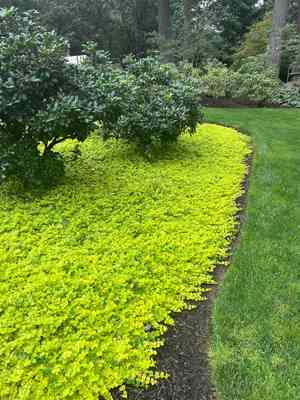
Lysimachia nummularia adds a lively green accent to various garden designs.
2
It thrives best in locations with partial sunlight to complete shade.
3
Consistent upkeep helps manage the swift expansion of Lysimachia nummularia.
Appreciating Creeping Jenny's Visual Appeal
Attributes: Highlighting its abundant, trailing habit
A prominent characteristic of Creeping Jenny is its rich, cascading growth pattern. This perennial is recognized for its low-lying, spreading form, making it perfect for ground cover. With its small, rounded leaves that create dense mats, it forms a carpet-like effect that can soften harsh lines in your landscape. This trait not only boosts visual charm but also aids in weed suppression and preventing soil erosion, making your garden both attractive and practical.
Color dynamics: Incorporating its vivid green tones in various environments
Creeping Jenny injects a burst of lively green into any garden. This adaptable shade integrates seamlessly with diverse other plants, enhancing your landscape's overall aesthetic. Whether utilized as ground cover, in container gardens, or hanging baskets, its bright green foliage establishes a cool, refreshing contrast that accentuates and complements other colors in your garden. This plant is an excellent option for filling voids, drawing attention to specific zones, and providing a consistent, vibrant backdrop.
Adaptability: Employing Creeping Jenny in diverse landscape designs
Creeping Jenny is remarkably versatile, fitting well into various landscaping styles. Its flexibility across different environments makes it a popular choice for both traditional and contemporary gardens. Its lush growth can enhance a wide array of garden designs, from rustic cottage gardens to sleek, modern landscapes. The plant's capacity to flourish in varying light and soil conditions adds to its allure, making it a dependable and appealing option for landscapers and garden enthusiasts alike.
Integrating Creeping Jenny into Themed Gardens
Cottage gardens: Crafting a charming, informal layout
Incorporating Creeping Jenny into cottage gardens can amplify their charm. The plant's trailing nature and small leaves blend well with the informal, often whimsical design of cottage gardens, adding a touch of verdant greenery that complements colorful blooms. Planting Creeping Jenny along garden paths or at the base of taller plants can create a lush, unified look that enhances the garden's inviting, lived-in atmosphere.
Modern landscapes: How Creeping Jenny complements minimalist aesthetics
Creeping Jenny can be an ideal addition to minimalist, modern landscapes. Its streamlined growth habit and vibrant green color can offer a striking contrast to the clean lines and neutral tones often found in contemporary garden designs. Use Creeping Jenny in geometric planters or alongside sleek garden structures to introduce a touch of nature without overwhelming the sophisticated aesthetic. Its low maintenance requirements also align well with the modern garden's emphasis on simplicity and ease of care.
Woodland settings: Enhancing naturalistic themes
For those aiming to establish a woodland garden, Creeping Jenny is an excellent selection to bolster the naturalistic theme. Its ability to thrive in shaded areas makes it suitable for planting beneath trees or along shaded garden paths. The plant's natural, unconstrained growth contributes to the authenticity of a woodland setting, creating a lush undergrowth that complements the larger plants and trees. Its vibrant green color provides a lovely contrast to the darker foliage often present in woodland gardens.
Practical Advice for Planting and Positioning Creeping Jenny
Optimal locations: Where to place Creeping Jenny for peak growth
Creeping Jenny flourishes in areas with partial sun to full shade, making it an excellent option for spots that don't receive intense, direct sunlight. When choosing a location, consider areas where the plant can spread easily, such as along garden paths, in rock gardens, or near water features. Ensuring well-drained soil will help Creeping Jenny thrive, as excessive moisture can harm its roots.
Companion planting: Ideal plants to pair with Creeping Jenny
Pairing Creeping Jenny with compatible plants can enhance your garden's overall beauty and health. Excellent companions include taller plants that offer some shade, such as hostas or ferns, which complement Creeping Jenny's ground cover nature. Additionally, mixing Creeping Jenny with flowering plants like daylilies or astilbes can create visually appealing contrasts and a more diverse ecosystem within your garden.
Seasonal considerations: Best times for planting and thriving
The optimal time to plant Creeping Jenny is during spring or fall when the weather is cool, and the soil remains consistently moist. These conditions allow Creeping Jenny to establish roots effectively before the temperature extremes of summer or winter arrive. Regular watering during these seasons will help the plant settle in and spread, ensuring a lush, green ground cover throughout the year.
Maintenance Tips for Enduring Beauty
Regular care routines: Simplified upkeep for busy gardeners
Maintaining Creeping Jenny is relatively straightforward, making it perfect for those with packed schedules. Consistent watering, especially during dry spells, and occasional feeding with a balanced fertilizer will keep the plant healthy. Pruning any overgrown or damaged sections ensures that Creeping Jenny stays tidy and contained, preventing it from encroaching on other plants in your garden.
Addressing common challenges: Managing rapid growth and spread
Creeping Jenny is known for its swift growth, which can be both an advantage and a hurdle. To control its spread, regular pruning is crucial. Trimming the plant periodically helps manage its growth and stops it from invading other areas of your garden. Additionally, using landscape barriers or planting Creeping Jenny in containers can help keep its spread in check.
Revitalizing older plants: Methods to rejuvenate your Creeping Jenny
Over time, Creeping Jenny may appear less vibrant. Rejuvenating older plants involves cutting them back to encourage new growth. If the plant becomes too dense, thinning it out can allow more air and light to reach the foliage, promoting healthier development. Dividing the plant every few years can also help maintain its vigor and prevent overcrowding, ensuring that your garden remains lush and attractive.



