Enhancing Your Garden Design with the Cucumber tree Plant: A Landscaping Guide
1
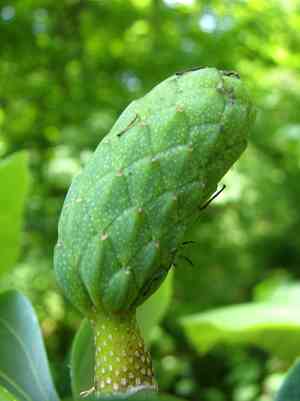
The cucumber tree is recognized for its imposing size and unique fruit-like look.
2
Cucumber trees flourish in soil that drains well and receives plenty of sun.
3
Consistent care for your cucumber tree guarantees its health and improves your garden's beauty.
Introducing the Cucumber Tree in Garden Design
Key attributes of the Cucumber Tree
A prominent characteristic of the Cucumber Tree is its impressive stature and distinctive form. Reaching heights of up to 70 feet, it imparts a grand presence to any outdoor space. Furthermore, its fruit, resembling cucumbers, becomes noticeable during its flowering period, making the Cucumber Tree easily identifiable. Its graceful foliage and sturdy bark also make it a preferred choice for designers aiming for a dynamic, textured garden.
The visual appeal of the Cucumber Tree in landscape architecture
Visually, the Cucumber Tree adds significant allure to your garden. It acts as a central feature with its striking appearance and expansive canopy. Its vibrant green leaves offer a beautiful contrast against your garden's backdrop, while its blossoms and unique fruit provide seasonal interest. Incorporating the Cucumber Tree into your scheme can elevate the overall aesthetic, creating a balanced yet captivating effect.
Selecting the Optimal Site for a Cucumber Tree
Evaluating soil composition and sun exposure
For the Cucumber Tree to flourish, select a site with well-draining soil. This tree prefers soil rich in organic matter and slightly acidic. Additionally, assessing sun exposure is critical; the Cucumber Tree thrives best in areas receiving full sun to partial shade. Meeting these conditions helps the Cucumber Tree grow vigorously and maintain its health and vitality.
Spacing considerations relative to other plants
When planting a Cucumber Tree, account for its mature size and plan for ample spacing. Position it at least 20-30 feet away from other large trees to prevent crowding and competition for resources. This careful spacing ensures the Cucumber Tree has sufficient room for root and canopy expansion, fostering a balanced and visually pleasing landscape.
Incorporating the Cucumber Tree into Your Garden Plan
Establishing focal points with the Cucumber Tree
Creating a focal point in your garden with the Cucumber Tree is an excellent design approach. Place it in a central or prominent position where its magnificence can be fully appreciated. Pairing it with complementary plants or elements, such as a stone path or water feature, can enhance its visual impact. This method not only highlights the Cucumber Tree's natural beauty but also adds a cohesive and structured look to your garden.
Companion plants and thematic designs
Complementing the Cucumber Tree with appropriate plants enhances its aesthetic appeal. Consider planting shade-loving species or ground covers near its base to create a layered effect. You could also use native plants or those with varied textures and colors to establish a theme. This technique ensures a balanced ecosystem and helps create a diverse and resilient garden design.
Seasonal Care for the Cucumber Tree
Understanding seasonal growth cycles
Grasping the Cucumber Tree's growth patterns throughout the year is vital for its well-being. During spring, the Cucumber Tree experiences significant growth and flowering, necessitating adequate nutrients and water. Autumn is when it prepares for dormancy. Recognizing these cycles aids in planning essential care activities, such as fertilizing during peak growth and preventing stress before dormancy.
Preparing the Cucumber Tree for varying weather conditions
Different weather conditions require specific care for the Cucumber Tree. In the cold winter months, mulching around its base helps protect its roots from freezing. Conversely, during hot summers, ensuring consistent watering and potentially providing shade prevents the tree from heat stress. Adapting your care routine to seasonal demands guarantees the tree remains healthy year-round.
Long-Term Upkeep and Maintenance Advice
Optimal pruning and trimming techniques
Pruning and trimming the Cucumber Tree promotes healthy growth and maintains its desired shape. It's best to prune during late winter or early spring when the tree is still dormant. Focus on removing dead or diseased branches, and thin out dense areas to allow sunlight penetration and air circulation. Regular pruning helps prevent diseases and encourages robust flowering and growth.
Monitoring health and development
Regularly observing the Cucumber Tree is crucial for detecting potential issues early. Check for signs of diseases, pests, or nutrient deficiencies. Implement preventative measures like timely fertilization, sufficient watering, and pest control as needed. Maintaining a watchful eye ensures the Cucumber Tree continues to thrive and remains a beautiful, healthy centerpiece in your landscape.



