Enhancing Your Garden Design with the Umbrella tree Plant: A Landscaping Guide
1
The Umbrella tree improves the beauty of any garden through its distinct leaves and form.
2
Ideal planting spots optimize the Umbrella tree's development and visual appeal.
3
Appropriate care for the Umbrella tree involves seasonal attention and managing issues such as insects.
Introducing Umbrella Tree for Landscape Use
The visual appeal of Umbrella tree
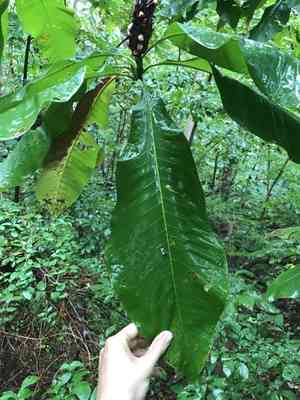
When selecting plants for your outdoor area, visual charm is key. Umbrella tree, with its distinctively large leaves and graceful branch structure, offers a unique aesthetic that truly stands out. Its abundant foliage creates a tropical ambiance, making it an excellent specimen plant. The umbrella-like canopy not only provides shade but also acts as an engaging focal point in any garden setting.
Advantages of incorporating Umbrella tree into outdoor areas
Umbrella tree is more than just an attractive plant; it offers numerous benefits. Integrating Umbrella tree into your landscape can enhance air quality, offer natural cooling through shade, and attract various wildlife, including birds and beneficial insects. Additionally, Umbrella tree can serve as a windbreak, safeguarding more delicate plants from strong gusts. Its adaptability to diverse soil types and moderate care requirements make it a versatile option for improving any outdoor space.
Optimal Placement for Umbrella Tree's Impact
Identifying prime spots for Umbrella tree in your yard
To maximize Umbrella tree's effect in your landscape, selecting the correct location is vital. Consider areas where Umbrella tree can be a central feature, such as near patios, alongside pathways, or within garden beds. Its size and form make it ideal for filling larger areas, so ensure ample room for it to reach its full potential. Placing Umbrella tree near seating areas can create a relaxing, shaded sanctuary. Furthermore, its dense foliage can effectively conceal unattractive views, offering both aesthetic and practical advantages.
Sunlight and soil needs
Umbrella tree thrives in conditions offering partial to full sunlight, though it can adapt to various light levels. Ideal soil conditions for Umbrella tree include well-drained, slightly acidic to neutral pH soil. To give Umbrella tree the best start, enrich the soil with organic matter to improve moisture retention and nutrient content. Consistent watering during the plant's initial establishment is crucial, but once mature, Umbrella tree becomes quite resilient to differing moisture levels.
Designing with Umbrella Tree: A Step-by-Step Guide
Step 1: Evaluating the Area
Before planting Umbrella tree, assess the available space in your landscape. Measure the area and consider how much room Umbrella tree will require as it matures. Note existing plants and structures to prevent overcrowding. Account for the plant's mature height and spread to ensure it has sufficient space to flourish without competing for resources like light, water, and nutrients.
Step 2: Selecting Companion Plants and Features
Pairing Umbrella tree with complementary plants enhances the overall landscape design. Consider plants with varied textures, heights, and colors to create a diverse and visually appealing garden. Perennials, ornamental grasses, and flowering shrubs can all be excellent companions. Incorporating garden elements such as benches, water features, or paths can further boost the visual interest and utility of the area around Umbrella tree.
Step 3: The Planting Procedure
When planting Umbrella tree, dig a hole that is twice as wide and as deep as the root ball. Position Umbrella tree in the center of the hole, ensuring the top of the root ball is level with the ground surface. Backfill with a mixture of the excavated soil and compost, gently tamping down to remove air pockets. Water thoroughly to settle the soil and provide initial moisture for root establishment. Apply mulch around the base to retain moisture and protect the roots.
Caring for Umbrella Tree in Your Landscape
Seasonal maintenance advice
To keep Umbrella tree looking its best year-round, seasonal care is essential. In spring, prune any dead or damaged branches to encourage healthy growth. Applying fertilizer at the start of the growing season can provide vital nutrients. In summer, maintain a consistent watering schedule, especially during dry periods. In fall, clear fallen leaves and apply a layer of mulch to protect the roots during winter. Regular checks for pests and diseases are also important throughout the year.
Addressing potential issues
While Umbrella tree is relatively low-maintenance, it can occasionally face challenges such as pest infestations or fungal diseases. Common pests include aphids and scale insects, which can be managed with insecticidal soaps or natural predators like ladybugs. To prevent fungal problems, ensure good air circulation around the plant and avoid over-watering. If disease is detected, remove and dispose of affected foliage promptly. Consistent monitoring and timely intervention can keep Umbrella tree healthy and thriving.
Real-world Examples of Umbrella Tree in Beautiful Landscapes
Showcase 1: Urban Garden with Umbrella tree
In an urban garden, Umbrella tree can transform a small area into a verdant sanctuary. Imagine a compact city yard where Umbrella tree acts as the focal point, creating a lush canopy overhead. Beneath it, a combination of shade-loving perennials and comfortable seating makes for an ideal escape from the bustling city life. This arrangement not only optimizes space but also fosters a calming, natural environment.
Showcase 2: Suburban Serenity
In a suburban setting, Umbrella tree can anchor a spacious garden, providing a central element that guides the landscape design. Surrounding Umbrella tree with a mix of flowering shrubs, ornamental grasses, and seasonal blooms creates a vibrant and dynamic garden. This example illustrates how Umbrella tree can seamlessly integrate into various landscape styles, enhancing both the beauty and utility of the outdoor living space.



